1. Specifications Comparison
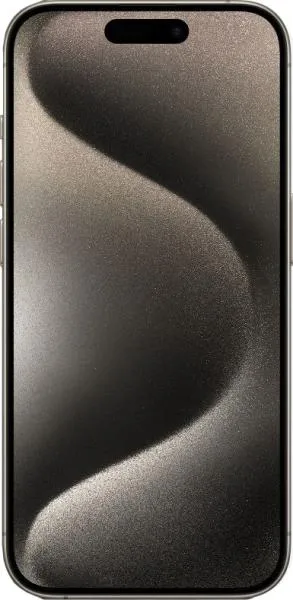
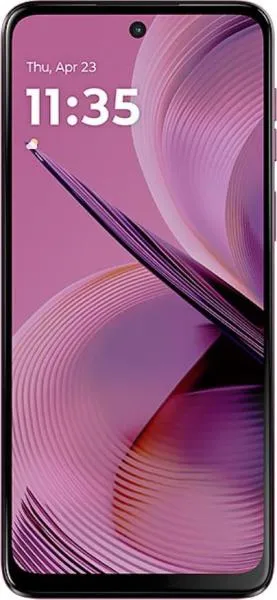
| Feature | Category | Apple iPhone 15 Pro | Motorola Moto G55 | Practical Impact |
|---|---|---|---|---|
| Dimensions | Design | 146.6 x 70.6 x 8.3 mm | 161.6 x 73.8 x 8.1 mm | iPhone 15 Pro is significantly smaller and more pocketable. Moto G55 is larger, potentially less comfortable for one-handed use. |
| Weight | Design | 187g | 179g | Negligible weight difference in real-world usage. |
| Build Materials | Design | Titanium frame | Unspecified | iPhone's titanium frame offers superior durability and premium feel. Lack of information on Moto G55's build limits comparison. |
| Display Type | Display | LTPO Super Retina XDR OLED | IPS LCD | iPhone's OLED offers significantly better contrast, deeper blacks, and wider viewing angles. Superior HDR performance on iPhone. |
| Display Size | Display | 6.1" | 6.49" | Moto G55 provides a larger screen for media consumption, but may be less comfortable for one-handed use. |
| Resolution | Display | 1179 x 2556 | 1080 x 2400 | iPhone boasts a sharper display with higher pixel density (461 ppi vs 405 ppi), resulting in crisper text and images. |
| Refresh Rate | Display | 120Hz | 120Hz | Both phones offer smooth scrolling and animations thanks to the 120Hz refresh rate. |
| Peak Brightness | Display | 2000 nits (HBM) | Unspecified | iPhone's higher peak brightness ensures better visibility in direct sunlight. Missing data for Moto G55 prevents detailed comparison. |
| Chipset | Performance | Apple A17 Pro (3 nm) | Mediatek Dimensity 7025 (6 nm) | A17 Pro is significantly more powerful, enabling smoother multitasking, faster app launches, and superior gaming performance. |
| CPU | Performance | Hexa-core (2x3.78 GHz + 4x2.11 GHz) | Octa-core (2x2.5 GHz Cortex-A78 & 6x2.0 GHz Cortex-A55) | iPhone's CPU architecture and higher clock speeds translate to a noticeable performance advantage in demanding tasks. |
| GPU | Performance | Apple GPU (6-core graphics) | IMG BXM-8-256 | iPhone's GPU offers superior graphics performance for gaming and visually intensive applications. |
| RAM | Performance | 8GB | 8GB | Both phones offer ample RAM for smooth multitasking. |
| Storage | Performance | 256GB, 512GB, 1TB | 256GB | iPhone offers more storage options for users with large media libraries. |
| Battery Capacity | Battery | 3274 mAh | 5000 mAh | Moto G55 likely offers significantly longer battery life. iPhone's smaller battery may require more frequent charging. |
| OS | Software | iOS 17 | Android 14 | Different operating systems cater to different user preferences and ecosystems. iOS is known for its simplicity and tight integration, while Android offers more customization options. |
| Video Capabilities | Camera | 4K@60fps (HDR), 1080p@240fps (HDR) | 1080p@60fps | iPhone offers significantly higher video resolution and frame rates, including HDR recording, for superior video quality. Missing detailed camera specs for both phones limits a thorough camera comparison. |
2. Key Differences Analysis
iPhone 15 Pro Advantages:
- Significantly more powerful: The A17 Pro chip delivers a substantial performance advantage for demanding tasks and gaming.
- Superior display: The OLED screen provides richer colors, deeper blacks, and higher brightness.
- Premium build quality: Titanium frame offers greater durability and a more luxurious feel.
- Advanced video capabilities: Higher resolution and frame rate recording with HDR.
- More compact design: Easier to handle and carry in pockets.
Moto G55 Advantages:
- Larger battery: Potentially much longer battery life.
- Lower price: Offers a more budget-friendly option.
- Larger display: More screen real estate for media consumption.
3. User Profiles & Recommendations
iPhone 15 Pro: Ideal for users who prioritize performance, premium design, a vibrant display, and a seamless software experience. Best for demanding tasks, gaming, content creation, and photography/videography.
Moto G55: Suitable for budget-conscious users who prioritize battery life and a large screen for media consumption. Best for casual use, web browsing, social media, and light gaming.
4. Decision Framework
Key Questions for Buyers:
- What is your budget? The iPhone 15 Pro is significantly more expensive.
- What are your primary use cases? Demanding tasks and content creation favor the iPhone, while basic use and media consumption might suffice with the Moto G55.
- Which operating system do you prefer? iOS and Android offer distinct experiences.
My Choice: Apple iPhone 15 Pro
While the Moto G55 offers a compelling value proposition with its large battery and lower price, the iPhone 15 Pro's superior performance, stunning display, premium build quality, and advanced features make it the clear winner for me. I prioritize a smooth and responsive user experience, excellent camera capabilities, and a device that can handle demanding tasks without compromise. The higher price is justified by the significant improvements in overall quality and user experience. The compact form factor also aligns better with my preference for a pocketable phone. While battery life might be a concern, I'm willing to compromise in that area for the significant gains in other aspects.
