1. Specifications Comparison
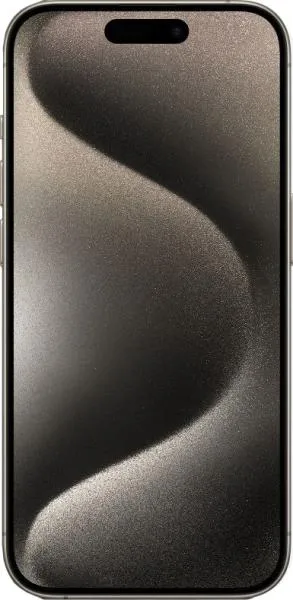
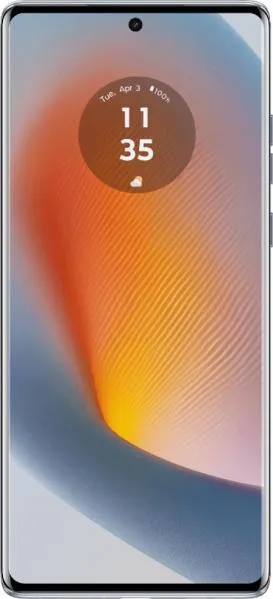
| Feature | Apple iPhone 15 Pro | Motorola Edge 50 Fusion | Practical Impact |
|---|---|---|---|
| Design | |||
| Dimensions | 146.6x70.6x8.3mm | 161.9x73.1x7.9mm | iPhone 15 Pro is significantly smaller and more pocketable. Edge 50 Fusion is larger, potentially less comfortable for one-handed use. |
| Weight | 187g | 174.9g | Despite its larger size, the Edge 50 Fusion is slightly lighter. |
| Build Materials | Titanium frame | Not specified | Titanium offers superior durability and premium feel compared to standard aluminum. Lack of information on the Edge 50 Fusion limits comparison. |
| Display | |||
| Display Size | 6.1 inches | 6.7 inches | Edge 50 Fusion offers a larger screen for more immersive media consumption and multitasking. |
| Display Type | LTPO Super Retina XDR OLED | P-OLED | Both are high-quality display technologies. LTPO allows for dynamic refresh rate adjustment, potentially saving battery. |
| Refresh Rate | 120Hz | 120Hz (LATAM), 144Hz (INT) | Both offer smooth scrolling and animations. The international version of the Edge 50 Fusion boasts a slightly higher refresh rate for even smoother visuals. |
| Peak Brightness | 2000 nits (HBM) | 1600 nits | iPhone 15 Pro offers significantly higher peak brightness, ensuring better visibility in direct sunlight. |
| Resolution | 1179 x 2556 | 1080 x 2400 | iPhone has a sharper display due to higher pixel density (461 ppi vs 393 ppi), resulting in crisper text and images. |
| Performance | |||
| Chipset | Apple A17 Pro (3 nm) | Qualcomm Snapdragon 7s Gen 2 (4 nm) | A17 Pro is expected to significantly outperform the Snapdragon 7s Gen 2 in demanding tasks like gaming and video editing. |
| CPU | Hexa-core | Octa-core | Core count doesn't directly translate to performance; architecture and clock speeds are crucial. Apple's A17 Pro is likely more powerful due to its advanced architecture. |
| GPU | Apple GPU (6-core) | Adreno 710 | Apple's custom GPU is expected to deliver superior graphics performance compared to the Adreno 710. |
| RAM | 8GB | 8GB | Both phones have the same amount of RAM. |
| Storage | 256GB, 512GB, 1000GB | 256GB | iPhone 15 Pro offers more storage options for users with large media libraries. |
| Battery | |||
| Capacity | 3274 mAh | 5000 mAh | Edge 50 Fusion has a significantly larger battery, likely translating to longer battery life. |
| Other | |||
| OS | iOS 17 | Android 14 | OS preference is subjective. iOS is known for its simplicity and tight integration with Apple's ecosystem, while Android offers more customization options. |
| Price | High | Medium | iPhone 15 Pro is significantly more expensive. Edge 50 Fusion offers a more budget-friendly option. |
2. Key Differences Analysis
iPhone 15 Pro Advantages:
- Superior Performance: The A17 Pro chip provides a significant performance advantage for demanding tasks.
- Brighter, Sharper Display: Higher peak brightness and resolution deliver a better viewing experience.
- Premium Build: Titanium frame offers greater durability and a more premium feel.
- More Storage Options: Caters to users with large storage needs.
Motorola Edge 50 Fusion Advantages:
- Larger Battery: Potentially significantly longer battery life.
- Larger Display: More immersive experience for media consumption and multitasking.
- Lower Price: Significantly more affordable.
- Higher Refresh Rate (International): Smoother visual experience on the International version.
Trade-offs: Choosing the Edge 50 Fusion means compromising on performance, display quality, and build materials for a lower price and larger battery. Choosing the iPhone 15 Pro means paying a premium for top-tier performance and build quality, while accepting a smaller battery and display.
3. User Profiles & Recommendations
iPhone 15 Pro: Ideal for users who prioritize performance, premium design, and a seamless ecosystem integration. Best for demanding tasks like gaming, video editing, and professional photography.
Motorola Edge 50 Fusion: Suitable for budget-conscious users who prioritize battery life and a large display for media consumption and everyday tasks. A good option for casual gaming and social media use.
4. Decision Framework
Key Questions:
- What is your budget? The iPhone 15 Pro is significantly more expensive.
- What are your primary use cases? Demanding tasks vs. casual use.
- Which operating system do you prefer? iOS vs. Android.
My Choice: Apple iPhone 15 Pro
While the Motorola Edge 50 Fusion offers compelling features like a larger battery and display at a lower price, I would choose the Apple iPhone 15 Pro. My priorities are performance, a smooth and responsive user experience, and a premium build. The A17 Pro chip's significant performance advantage, coupled with the brighter and sharper display, makes the iPhone 15 Pro a more compelling device for my needs. I am willing to pay the premium for the superior overall experience and the long-term value that Apple devices typically offer. The compact form factor is also appealing to me. While battery life is a consideration, I prioritize performance and overall user experience over having the largest possible battery. Furthermore, the robust build quality of the titanium frame ensures the phone will withstand daily wear and tear for years to come.
