1. Specifications Comparison
| Feature | Category | Apple iPhone 15 Pro | Huawei Pura 70 Ultra | Practical Impact |
|---|---|---|---|---|
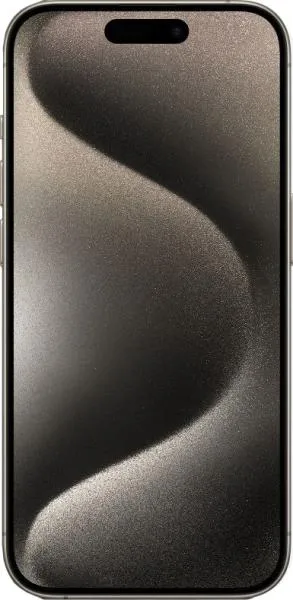
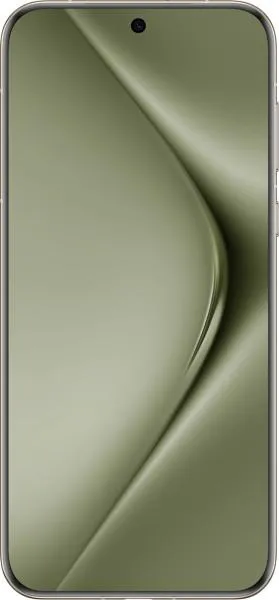
| Dimensions | Design | 146.6 x 70.6 x 8.3 mm | 162.6 x 75.1 x 8.4 mm | The iPhone 15 Pro is significantly smaller and lighter, making it more pocketable and comfortable for one-handed use. The Pura 70 Ultra is larger, potentially better suited for media consumption but less comfortable for extended one-handed use. |
| Weight | Design | 187g | 226g | The weight difference reinforces the portability advantage of the iPhone 15 Pro. The Pura 70 Ultra's weight might be noticeable during prolonged use. |
| Display Size | Display | 6.1 inches | 6.8 inches | The Pura 70 Ultra offers a larger screen for immersive media consumption, multitasking, and gaming. The iPhone 15 Pro's smaller display prioritizes portability. |
| Display Type | Display | LTPO Super Retina XDR OLED | LTPO OLED | Both use high-quality OLED panels with LTPO technology for adaptive refresh rates, resulting in smooth scrolling and potential power savings. The "Super Retina XDR" branding suggests Apple's display might offer superior color accuracy and HDR performance, but without concrete metrics for comparison, this remains speculative. |
| Resolution | Display | 1179 x 2556 | 1260 x 2844 | While both offer sharp displays, the Pura 70 Ultra boasts a slightly higher resolution, potentially resulting in marginally crisper text and images. |
| Peak Brightness | Display | 2000 nits (HBM) | 2500 nits (peak) | The Pura 70 Ultra's higher peak brightness should provide better visibility in direct sunlight. |
| Refresh Rate | Display | 120Hz | 120Hz | Both offer smooth scrolling and animations thanks to the 120Hz refresh rate. |
| Chipset | Performance | Apple A17 Pro (3 nm) | Kirin 9010 (7 nm) | The A17 Pro, built on a more advanced 3nm process, is likely to offer superior performance and power efficiency compared to the Kirin 9010. |
| CPU | Performance | Hexa-core (2x3.78 GHz + 4x2.11 GHz) | Octa-core (1x2.3 GHz + 3x2.18 GHz + 4x1.55 GHz) | Direct CPU comparisons across different architectures are challenging. The A17 Pro's higher clock speeds suggest potential performance advantages, but real-world performance depends on various factors, including core architecture and software optimization. |
| GPU | Performance | Apple GPU (6-core graphics) | 8-core GPU | The specific GPU models are not listed for comparison. The Pura 70 Ultra has more cores, but without knowing the architecture and clock speeds, a performance comparison is impossible. |
| RAM | Performance | 8GB | 16GB | The Pura 70 Ultra's 16GB RAM provides significant headroom for multitasking and demanding applications compared to the iPhone's 8GB. |
| Battery Capacity | Battery | 3274 mAh | 5200 mAh | The Pura 70 Ultra has a substantially larger battery, likely translating to significantly longer battery life. |
| OS | Software | iOS 17 | Not Specified | A critical specification is missing. Without knowing the OS of the Pura 70 Ultra, a comprehensive comparison is impossible. OS significantly impacts user experience, app availability, and overall functionality. |
| Storage | Storage | 256GB, 512GB, 1TB | 1TB | Both offer ample storage; however, the iPhone offers more flexibility with varying storage options. |
2. Key Differences Analysis
iPhone 15 Pro Advantages:
- Superior Performance (Likely): The A17 Pro chip, built on a more advanced process node, likely outperforms the Kirin 9010 in processing power and efficiency.
- Compact Form Factor: Significantly smaller and lighter, making it more portable and ergonomic for one-handed use.
- Established Ecosystem: iOS offers a mature app ecosystem and seamless integration with other Apple devices.
Huawei Pura 70 Ultra Advantages:
- Larger Display: Provides a more immersive experience for media consumption and multitasking.
- Higher Peak Brightness: Ensures better screen visibility outdoors in bright sunlight.
- Significantly Larger Battery: Promises much longer battery life.
- More RAM: 16GB offers greater multitasking capabilities and future-proofing.
3. User Profiles & Recommendations
iPhone 15 Pro: Users who prioritize a compact and powerful phone with a seamless user experience and access to a vast app ecosystem. Ideal for those who value one-handed usability, performance, and integration with other Apple devices.
Huawei Pura 70 Ultra: Users who prioritize a large display, long battery life, and ample RAM for multitasking and demanding applications. Suitable for heavy media consumers, gamers, and power users who don't heavily rely on Google services (given potential limitations with Huawei devices).
4. Decision Framework
Key Questions for Buyers:
- What screen size and portability do you prefer? Larger screen for media consumption or smaller for one-handed use?
- How important is raw performance and operating system? iOS ecosystem vs. unknown OS on the Huawei.
- What is your typical usage pattern? Heavy usage requiring long battery life or moderate usage prioritizing portability?
Scenario-Based Recommendations:
- Power User needing long battery life: Huawei Pura 70 Ultra (assuming a functional OS with access to needed apps)
- User prioritizing portability and performance within the Apple ecosystem: iPhone 15 Pro
My Choice: Apple iPhone 15 Pro
While the Huawei Pura 70 Ultra boasts impressive specs like a larger battery and display, the lack of information about its operating system is a critical deal-breaker. A smartphone's OS is fundamental to the user experience, and without knowing what OS the Pura 70 Ultra uses, its app availability, functionality, and overall usability are uncertain. Additionally, the likely superior performance and established ecosystem of the iPhone 15 Pro make it a safer and more reliable choice for my needs. I prioritize a smooth, reliable user experience, access to a wide range of apps, and a compact form factor, making the iPhone 15 Pro the clear winner for me. The potential for longer battery life on the Pura 70 Ultra is tempting, but not at the expense of a well-functioning and supported operating system.
