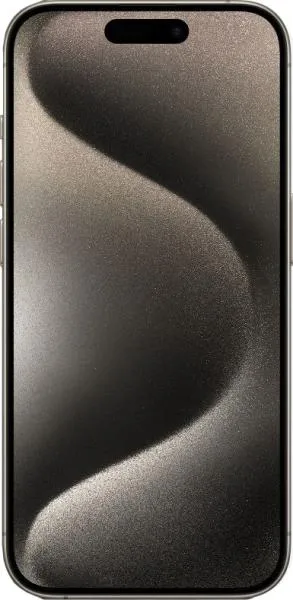
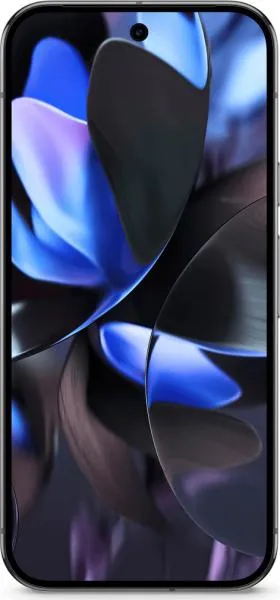
1. Specifications Comparison
| Feature | Apple iPhone 15 Pro | Google Pixel 9 Pro XL | Practical Impact |
|---|---|---|---|
| Design | |||
| Dimensions | 146.6x70.6x8.3mm | 162.8x76.6x8.5mm | Pixel 9 Pro XL is significantly larger and may be less comfortable for one-handed use. |
| Weight | 187g | 221g | iPhone 15 Pro is noticeably lighter, reducing hand fatigue during extended use. |
| Build Materials | Unspecified | Unspecified | Material choice impacts durability and premium feel; information is lacking for a complete comparison. |
| Display | |||
| Size | 6.1" | 6.8" | Pixel offers a larger screen for more immersive media consumption and multitasking, while the iPhone prioritizes portability. |
| Type | LTPO Super Retina XDR OLED | LTPO OLED | Both are high-quality displays with variable refresh rates for power efficiency. Specific differences in color accuracy and sharpness are unclear without further data. |
| Resolution | 1179x2556 | 1344x2992 | Pixel has a higher resolution, but the practical difference in sharpness may be minimal due to the iPhone's smaller screen size resulting in a higher pixel density. |
| Peak Brightness | 2000 nits (HBM) | 3000 nits (peak) | Pixel's higher peak brightness improves outdoor visibility in direct sunlight. |
| Refresh Rate | 120Hz | 120Hz | Both offer smooth scrolling and animations. |
| Performance | |||
| Chipset | Apple A17 Pro (3 nm) | Google Tensor G4 (4 nm) | A17 Pro is expected to offer superior performance and efficiency due to its more advanced manufacturing process, but real-world benchmarks are needed for confirmation. Tensor G4 is likely optimized for AI and machine learning tasks. |
| CPU | Hexa-core (2x3.78 GHz + 4x2.11 GHz) | Octa-core (1x3.1 GHz Cortex-X4 & 3x2.6 GHz Cortex-A720 & 4x1.92 GHz Cortex-A520) | Core counts and clock speeds don't directly translate to real-world performance; OS optimization and architecture play significant roles. |
| GPU | Apple GPU (6-core graphics) | Mali-G715 MC7 | Gaming and graphics-intensive tasks will likely perform differently, but concrete comparisons require benchmarks. |
| RAM | 8GB | 16GB | Pixel's larger RAM capacity should allow for better multitasking and app switching, keeping more apps in memory. |
| Battery | |||
| Capacity | 3274 mAh | 5060 mAh | Pixel's significantly larger battery likely translates to much longer battery life. |
| Camera | |||
| Details | Limited Information | Limited Information | Insufficient detail to compare camera quality. Sensor size, aperture, and software processing significantly impact image quality. |
| Video | Up to 4K@60fps, 1080p@240fps | Up to 8K@30fps, 1080p@240fps | Both offer similar slow-motion capabilities. Pixel can record in 8K, but file sizes will be significantly larger, and practical benefits depend on display and usage scenarios. |
2. Key Differences Analysis
iPhone 15 Pro Advantages:
- More Compact and Lightweight: Easier to handle and carry.
- Potentially Faster Performance: A17 Pro chip's advanced process suggests a performance advantage.
Pixel 9 Pro XL Advantages:
- Larger Display: More immersive for media and multitasking.
- Significantly Larger Battery: Longer usage time between charges.
- More RAM: Better multitasking and app performance.
- Higher Peak Brightness: Improved outdoor visibility.
3. User Profiles & Recommendations
iPhone 15 Pro: Users who prioritize a compact, lightweight phone with potentially superior performance and a premium iOS experience.
Pixel 9 Pro XL: Users who prefer a large screen for media consumption, gaming, and productivity, value long battery life, and appreciate the flexibility of Android. Also suitable for users who prioritize RAM for multitasking.
4. Decision Framework
Key Questions:
- What screen size do you prefer? Compact or large?
- How important is battery life?
- Which operating system (iOS or Android) do you prefer?
My Choice: Google Pixel 9 Pro XL
While the iPhone 15 Pro likely offers a performance advantage and a more refined design, the Pixel 9 Pro XL's significantly larger battery, bigger display for media consumption and productivity, and double the RAM for seamless multitasking are more compelling to me. The brighter display is also a significant advantage for outdoor use. As someone who prioritizes practicality and productivity, the Pixel 9 Pro XL better fits my needs. The larger size and weight are trade-offs I'm willing to accept for the benefits it offers. Furthermore, Android's open ecosystem and customization options are preferable to me.
