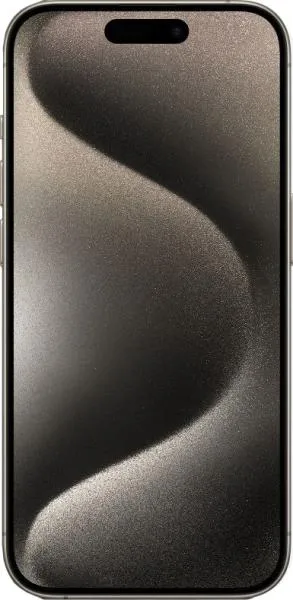
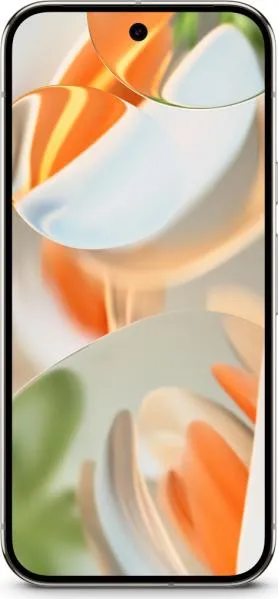
1. Specifications Comparison
| Feature | Apple iPhone 15 Pro | Google Pixel 9 Pro | Practical Impact |
|---|---|---|---|
| Design | |||
| Dimensions | 146.6x70.6x8.3mm | 152.8x72x8.5mm | Pixel 9 Pro is noticeably larger and slightly thicker. iPhone 15 Pro will be easier for one-handed use and pocket portability. |
| Weight | 187g | 199g | iPhone 15 Pro is lighter, reducing hand fatigue during extended use. |
| Build Materials | Not specified | Not specified | Material choice impacts durability and premium feel. This information is missing. |
| Display | |||
| Size | 6.1" | 6.3" | Pixel 9 Pro offers a slightly larger screen for more immersive content consumption. |
| Type | LTPO Super Retina XDR OLED | LTPO OLED | Both are high-quality OLED displays with adaptive refresh rates for smooth scrolling and power efficiency. "Super Retina XDR" is Apple's marketing term. |
| Resolution | 1179x2556 | 1280x2856 | Pixel 9 Pro has a slightly higher resolution, resulting in sharper text and images. Though barely noticeable in real-world use due to similar PPI. |
| Refresh Rate | 120Hz | 120Hz | Both offer smooth scrolling and animations thanks to the high refresh rate. |
| Peak Brightness | 2000 nits (HBM) | 3000 nits (peak) | Pixel 9 Pro's significantly higher peak brightness ensures better visibility in direct sunlight. |
| Performance | |||
| Chipset | Apple A17 Pro (3 nm) | Google Tensor G4 (4 nm) | A17 Pro is expected to offer superior performance and efficiency due to its more advanced manufacturing process. Real-world performance depends on optimization. |
| CPU | Hexa-core | Octa-core | Core count alone doesn't determine performance. Apple's architecture is known for strong single-core performance. Tensor G4 focuses on AI and machine learning tasks. |
| GPU | Apple GPU (6-core) | Mali-G715 MC7 | Apple's GPUs traditionally excel in graphics-intensive tasks. Mali GPUs are generally capable but may not match Apple's peak performance. Real-world gaming and graphics performance needs further benchmarking. |
| RAM | 8GB | 16GB | Pixel 9 Pro having double the RAM could lead to better multitasking and app retention in the background. |
| Battery | |||
| Capacity | 3274 mAh | 4700 mAh | Pixel 9 Pro has a significantly larger battery, likely resulting in longer battery life. Real-world usage will vary. |
| Camera | |||
| Specific Sensor Details | Missing | Missing | Cannot compare camera quality without sensor size, aperture, and other details. |
| Video Capabilities | Up to 4K@60fps, 1080p@240fps | Up to 8K@30fps, 1080p@240fps | Pixel 9 Pro offers 8K video recording, while iPhone offers potentially better slow-motion at 1080p. Practical value of 8K depends on user needs. Image stabilization details (OIS, EIS) are provided for Pixel, missing for iPhone, making comparison incomplete. |
2. Key Differences Analysis
iPhone 15 Pro Advantages:
- More Compact and Lighter: Easier to handle and carry.
- Potentially Superior Performance: A17 Pro chip expected to outperform Tensor G4 in benchmarks and demanding tasks.
- Likely Better Single-Core Performance: Important for app responsiveness.
Pixel 9 Pro Advantages:
- Larger Battery: Potentially significantly longer battery life.
- Larger, Brighter Display: More immersive content consumption. More usable in direct sunlight.
- More RAM: Improved multitasking and app switching.
- 8K Video Recording: Higher resolution video, though practical benefits depend on usage.
- Fingerprint Sensor: Provides an alternative biometric unlock option alongside face recognition.
Trade-offs:
- Size and Weight: iPhone prioritizes portability, Pixel prioritizes screen real estate and battery capacity.
- Performance vs. AI/ML: iPhone likely excels in raw performance, while Pixel focuses on AI-powered features.
- Ecosystem: iOS vs. Android is a significant consideration depending on user preferences and existing device ecosystem.
3. User Profiles & Recommendations
iPhone 15 Pro: Users who prioritize a compact and lightweight phone with top-tier performance, a premium design, and seamless integration with the Apple ecosystem. Ideal for users who value one-handed usability and portability.
Pixel 9 Pro: Users who value a large, bright display, long battery life, and Google's AI-powered features. Suitable for power users, multimedia enthusiasts, and those who prefer Android's flexibility.
4. Decision Framework
Key Questions:
- What size and weight do you prefer? Compact and light (iPhone) or larger screen and battery (Pixel)?
- How important is raw performance vs. AI and specific features? (Gaming and demanding apps vs. Google Assistant and photography features).
- Which operating system and ecosystem do you prefer? (iOS vs. Android).
My Choice: Google Pixel 9 Pro
Why: While the A17 Pro's performance is enticing, the Pixel 9 Pro's larger battery, significantly brighter display, added RAM, and the versatility of Android are compelling. The fingerprint sensor as an alternative biometric option is also a plus. I personally value battery life and a larger screen for media consumption over a slightly smaller and potentially faster device. I also appreciate the open nature and customization options of Android. While 8K video is not a primary need, it's a nice future-proofing feature. Finally, the potential difference in real-world performance between the A17 Pro and Tensor G4 might not be substantial enough to outweigh the other advantages of the Pixel 9 Pro for my usage.
