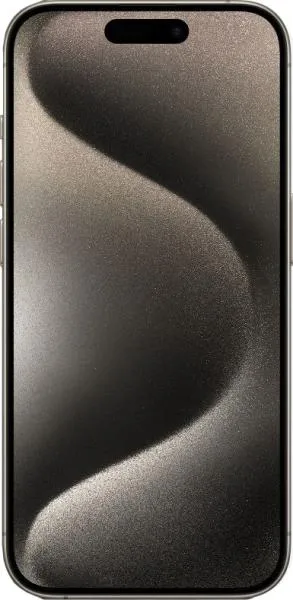
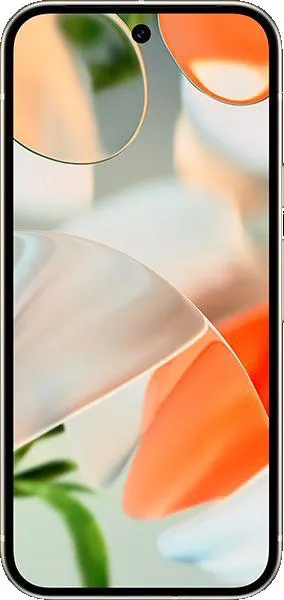
1. Specifications Comparison
| Feature | Apple iPhone 15 Pro | Google Pixel 9 | Practical Impact |
|---|---|---|---|
| Design | |||
| Dimensions | 146.6 x 70.6 x 8.3 mm | 152.8 x 72 x 8.5 mm | Pixel 9 is noticeably larger and slightly thicker. iPhone 15 Pro is more pocketable. |
| Weight | 187g | 198g | iPhone 15 Pro is lighter, reducing hand fatigue during extended use. |
| Build Materials | Not specified | Not specified | Build quality and durability cannot be compared without further information. |
| Display | |||
| Size | 6.1" | 6.3" | Pixel 9 offers a slightly larger screen for media consumption. |
| Type | LTPO Super Retina XDR OLED | OLED | Both are high-quality displays. iPhone's LTPO allows for dynamic refresh rate adjustment, potentially saving battery. |
| Resolution | 1179 x 2556 | 1080 x 2424 | iPhone 15 Pro has a sharper display (461 ppi vs 422 ppi). |
| Peak Brightness | 2000 nits (HBM) | 2700 nits (peak) | Pixel 9 boasts higher peak brightness, improving outdoor visibility. |
| Refresh Rate | 120Hz | 120Hz | Both offer smooth scrolling and animations. |
| Performance | |||
| Chipset | Apple A17 Pro (3 nm) | Google Tensor G4 (4 nm) | A17 Pro is likely to offer superior performance and efficiency due to its advanced manufacturing process, but real-world benchmarks are needed. |
| CPU | Hexa-core (2x3.78 GHz + 4x2.11 GHz) | Octa-core (1x3.1 GHz Cortex-X4 & 3x2.6 GHz Cortex-A720 & 4x1.92 GHz Cortex-A520) | Core configurations differ; A17 Pro's higher clock speeds suggest better single-core performance, impacting responsiveness. Tensor G4's configuration may favor multi-tasking. |
| GPU | Apple GPU (6-core) | Mali-G715 MC7 | Performance comparison requires benchmarks. Apple's GPUs typically excel in graphics-intensive tasks. |
| RAM | 8GB | 12GB | Pixel 9's higher RAM capacity could improve multitasking and app switching performance. |
| Battery | |||
| Capacity | 3274 mAh | 4700 mAh | Pixel 9 has significantly larger battery capacity, potentially leading to longer battery life. |
| Software | |||
| OS | iOS 17 | Android 14 | Different operating systems cater to different user preferences and ecosystems. |
| Other | |||
| Storage | 256GB, 512GB, 1TB | 256GB | iPhone 15 Pro offers more storage options. |
| Price | High | Medium | Pixel 9 offers potentially better value depending on specific pricing. |
2. Key Differences Analysis
iPhone 15 Pro Advantages:
- Superior Display Sharpness: Higher pixel density results in crisper text and images.
- Potentially Better Performance: The A17 Pro chip likely offers a performance advantage.
- More Storage Options: Caters to users with high storage demands.
- More Compact Design: Easier to handle and carry.
Google Pixel 9 Advantages:
- Larger Battery: Potentially significantly longer battery life.
- Larger Display: More immersive media consumption experience.
- Higher Peak Brightness: Better visibility in direct sunlight.
- More RAM: Improved multitasking and performance with demanding applications.
- Lower Price: Offers potentially better value for money.
3. User Profiles & Recommendations
iPhone 15 Pro: Users prioritizing performance, a compact form factor, a vibrant and sharp display, and seamless integration within the Apple ecosystem. Ideal for demanding tasks, gaming, and content creation.
Google Pixel 9: Users prioritizing battery life, a large display for media consumption, and a more affordable price point. Suitable for everyday use, multitasking, and extended use without frequent charging.
4. Decision Framework
Key Questions for Buyers:
- What is your budget? The iPhone 15 Pro is significantly more expensive.
- How important is battery life? Pixel 9's larger battery likely provides longer usage time.
- Do you prefer a compact or larger phone? iPhone 15 Pro is smaller and more pocketable.
My Choice: Google Pixel 9
While the iPhone 15 Pro boasts a potentially more powerful processor and sharper display, the Pixel 9's combination of a significantly larger battery, larger display, more RAM, and lower price point makes it the more compelling device for me. I prioritize battery life and value for money. The Pixel 9's larger screen is also more appealing for media consumption. While benchmarks are needed to confirm performance differences, the Pixel 9's 12GB RAM suggests superior multitasking capabilities, addressing a common pain point for Android users. Ultimately, the Pixel 9 seems to offer a more well-rounded package for my personal needs and usage patterns. The potential trade-off in raw processing power is acceptable considering the significant gains in other areas.
