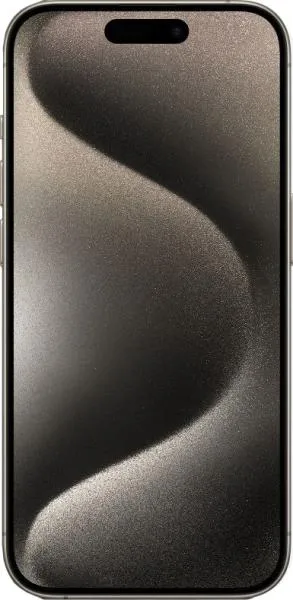

1. Specifications Comparison
| Feature | Apple iPhone 15 Pro | Google Pixel 8 | Practical Impact |
|---|---|---|---|
| Design | |||
| Dimensions | 146.6 x 70.6 x 8.3 mm | 150.5 x 70.8 x 8.9 mm | Pixel 8 is slightly larger and thicker. |
| Weight | 187g | 205g | The Pixel 8 is noticeably heavier. |
| Build | Titanium frame | Aluminum frame | iPhone 15 Pro's titanium frame offers better durability and scratch resistance. |
| Display | |||
| Size | 6.1" | 6.2" | Pixel 8 offers a marginally larger screen. |
| Type | LTPO Super Retina XDR OLED | OLED | Both are high-quality displays, but iPhone's LTPO allows for more dynamic refresh rate adjustments, saving battery. |
| Resolution | 1179 x 2556 | 1080 x 2400 | iPhone has a sharper display due to higher pixel density (461 ppi vs 428 ppi). |
| Peak Brightness | 2000 nits (HBM) | 2000 nits (peak) | Similar peak brightness ensures good outdoor visibility on both. |
| Refresh Rate | 120Hz | 120Hz | Both offer smooth scrolling and animations. |
| Performance | |||
| Chipset | Apple A17 Pro (3 nm) | Google Tensor G3 (4 nm) | A17 Pro is expected to offer superior performance and efficiency due to its advanced manufacturing process. |
| CPU | Hexa-core | Octa-core | Core count doesn't directly translate to performance; architecture and optimization play a larger role. |
| GPU | Apple GPU (6-core) | Immortalis-G715s MC10 | Apple's GPUs traditionally excel in graphics performance, though real-world gaming comparisons are needed. |
| RAM | 8GB | 8GB | Same RAM capacity. |
| Battery | |||
| Capacity | 3274 mAh | 4925 mAh | Pixel 8 has a significantly larger battery, potentially leading to much longer battery life. |
| Software | |||
| OS | iOS 17 | Android 14 | OS preference is subjective, with iOS offering a more streamlined experience and Android providing more customization. |
| Other | |||
| Storage | 256GB, 512GB, 1TB | 128GB, 256GB | iPhone offers more storage options. |
| Price | High | Medium | Pixel 8 offers a better price-to-performance ratio based on listed specifications. |
2. Key Differences Analysis
iPhone 15 Pro Advantages:
- Performance: Likely faster and more efficient due to the A17 Pro chip.
- Display: Sharper and potentially more power-efficient with LTPO technology.
- Premium Build: Titanium frame offers enhanced durability.
- Larger Storage Options: Provides options for users needing ample storage.
Pixel 8 Advantages:
- Battery Life: Significantly larger battery capacity suggests longer usage time.
- Price: More affordable while offering competitive features.
- Pure Android Experience: Faster updates and potentially a cleaner software experience. Fingerprint sensor for biometric unlock.
Trade-offs:
- iPhone 15 Pro: Higher price for premium features and performance. Smaller battery capacity.
- Pixel 8: Potentially less powerful than the iPhone. Fewer storage options.
3. User Profiles & Recommendations
iPhone 15 Pro: Users who prioritize performance, a premium experience, the Apple ecosystem, and are willing to pay a premium. Ideal for demanding tasks, gaming, and content creation.
Pixel 8: Users seeking excellent value, long battery life, a pure Android experience, and strong camera capabilities. Suitable for everyday use, photography enthusiasts, and budget-conscious buyers.
4. Decision Framework
Key Questions:
- What is your budget? The iPhone 15 Pro commands a significantly higher price.
- What is your priority: performance or battery life? The iPhone likely excels in performance, while the Pixel 8 likely offers longer battery life.
- Which operating system do you prefer? iOS and Android offer distinct experiences.
My Choice: Google Pixel 8
While the iPhone 15 Pro boasts impressive performance and a premium build, the Pixel 8's significantly larger battery (4925 mAh vs 3274 mAh), lower price point, and pure Android experience make it a more compelling option for me. I value long battery life and a clean software experience without bloatware. The performance difference, while likely noticeable in benchmarks, probably won't drastically impact my day-to-day usage. The considerable price difference allows for more flexibility in purchasing accessories or other gadgets. Finally, the inclusion of a fingerprint sensor alongside face unlock provides more options for secure and convenient device access. While I acknowledge the iPhone's strengths in processing power and display sharpness, the Pixel 8's advantages better align with my personal priorities and usage patterns.
