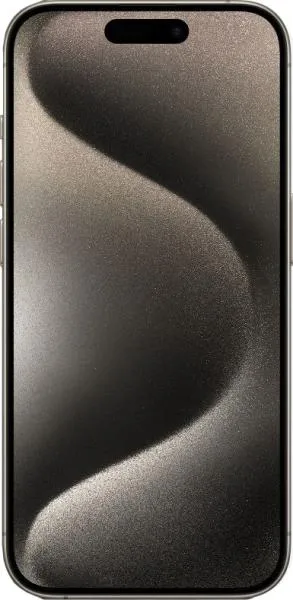

1. Specifications Comparison
| Feature | Apple iPhone 15 Pro | Cubot KingKong X | Practical Impact |
|---|---|---|---|
| Design | |||
| Dimensions | 146.6 x 70.6 x 8.3 mm | 170.9 x 82.2 x 18.7 mm | iPhone 15 Pro is significantly smaller and lighter, easier for one-handed use and pocket portability. KingKong X is much larger and heavier, emphasizing ruggedness over portability. |
| Weight | 187g | 388g | Reinforces the portability difference; KingKong X's weight suggests a more durable build. |
| Build Materials | Titanium frame | Unspecified | Titanium offers superior durability and premium feel compared to most materials used in mid-range phones. Lack of specification for the KingKong X limits comparison. |
| Display | |||
| Display Type | LTPO Super Retina XDR OLED | IPS LCD | iPhone's OLED offers superior contrast, deeper blacks, and potentially better power efficiency due to per-pixel illumination. KingKong X's LCD likely has wider viewing angles but less vibrant colors. |
| Size | 6.1" | 6.58" | Larger display on KingKong X provides more screen real estate for media consumption and multitasking. |
| Resolution | 1179 x 2556 (460 PPI) | 1080 x 2408 (401 PPI) | iPhone has a sharper display due to higher pixel density, resulting in crisper text and images. |
| Refresh Rate | 120Hz | 120Hz | Both offer smooth scrolling and animations. |
| Peak Brightness | 2000 nits (HBM) | Unspecified | iPhone's high peak brightness ensures excellent outdoor visibility. Lack of data for KingKong X prevents comparison. |
| Performance | |||
| Chipset | Apple A17 Pro (3nm) | MediaTek Dimensity 7050 (6nm) | A17 Pro is expected to significantly outperform the Dimensity 7050 in processing power and graphics performance, leading to faster app loading, smoother multitasking, and better gaming capabilities. |
| CPU | Hexa-core (2x3.78 GHz + 4x2.11 GHz) | Octa-core (2x2.6 GHz Cortex-A78 & 6x2.0 GHz Cortex-A55) | A17 Pro's architecture and higher clock speeds point towards a substantial performance advantage. |
| GPU | Apple GPU (6-core) | Mali-G68 MC4 | Apple's custom GPU is known for its strong performance in graphics-intensive tasks like gaming and video editing. |
| RAM | 8GB | 16GB | KingKong X having more RAM might improve multitasking performance, but the superior processor and OS optimization in the iPhone could negate this advantage in real-world usage. |
| Storage | 256GB, 512GB, 1TB | 512GB | Both offer ample storage, but iPhone offers more flexibility with different storage tiers. |
| Battery | |||
| Capacity | 3274 mAh | 10200 mAh | KingKong X has a significantly larger battery, likely translating to much longer battery life. iPhone prioritizes thinness and lightness over sheer battery capacity. |
| Camera | |||
| Video Capabilities | Up to 4K@60fps (HDR), 1080p@240fps (HDR) | 4K@30fps, 1080p@30fps | iPhone offers superior video recording capabilities with higher resolution, frame rates, and HDR support. Lack of detailed camera specs for KingKong X limits a comprehensive comparison. |
2. Key Differences Analysis
iPhone 15 Pro Advantages:
- Significantly higher performance: The A17 Pro chip provides a substantial performance lead for demanding tasks and gaming.
- Premium Display: Superior OLED display with higher resolution, brightness, and HDR support.
- Compact and Premium Design: More pocketable and made with higher quality materials.
- Advanced Camera Features: Expected to offer better image quality and more versatile video recording options. (Specific camera sensor details are missing for both phones, limiting a detailed comparison).
- Mature Software Ecosystem: iOS is known for its optimization, security, and app quality.
Cubot KingKong X Advantages:
- Much Larger Battery: Significantly longer battery life for extended use.
- Larger Display: More screen real estate for media consumption and multitasking.
- Lower Price: Offers a larger feature set at a more affordable price point.
3. User Profiles & Recommendations
iPhone 15 Pro: Users who prioritize performance, premium design, a polished software experience, and cutting-edge camera technology. Ideal for demanding tasks, gaming, content creation, and users who value a seamless mobile experience.
Cubot KingKong X: Users who prioritize long battery life, a large display, and affordability. Best suited for users who primarily use their phones for basic tasks, media consumption, and need a device that can last for extended periods without charging. Potentially suitable for outdoor enthusiasts given the "KingKong" branding suggests ruggedness, but detailed durability specs (e.g., IP rating) are needed to confirm.
4. Decision Framework
Key Questions for Buyers:
- What is your budget? The iPhone 15 Pro is a high-end device, while the Cubot KingKong X is significantly more affordable.
- What are your primary use cases? Demanding tasks and content creation favor the iPhone. Basic use and long battery life favor the KingKong X.
- What features do you prioritize? Performance, display quality, and software experience point to the iPhone. Battery life, affordability, and a large screen suggest the KingKong X.
My Choice:
I would choose the iPhone 15 Pro. While the Cubot KingKong X offers a tempting combination of a large battery and display at a lower price, the iPhone 15 Pro's superior performance, premium design, polished software experience, and advanced features (especially the anticipated camera capabilities) are more compelling to me. I prioritize a smooth, responsive, and feature-rich experience, and I am willing to pay a premium for that. The significantly smaller and lighter form factor is also a major advantage for daily use. The Cubot's lack of detailed specifications, particularly regarding build materials, camera sensors, and display brightness, makes it difficult to fully assess its value proposition. While the massive battery is appealing, I can typically manage my usage within the constraints of a smaller battery phone.
