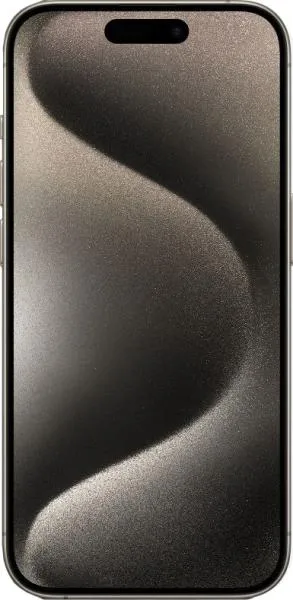
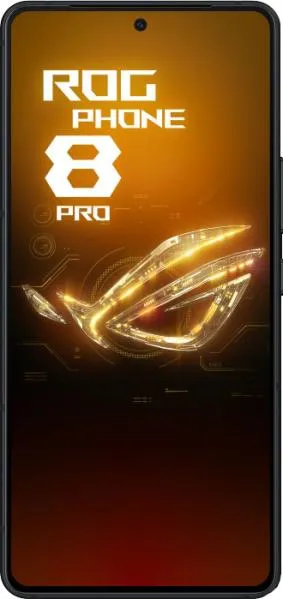
1. Specifications Comparison
| Feature | Apple iPhone 15 Pro | Asus ROG Phone 8 Pro | Practical Impact |
|---|---|---|---|
| Design | |||
| Dimensions | 146.6 x 70.6 x 8.3 mm | 163.8 x 76.8 x 8.9 mm | iPhone 15 Pro is significantly smaller and lighter, easier for one-handed use and pocket portability. ROG Phone 8 Pro is larger and heavier, better suited for two-handed use and media consumption. |
| Weight | 187g | 225g | Reinforces the size difference; noticeable difference in hand and pocket. |
| Build | Titanium Frame | Not specified | iPhone's Titanium frame offers better durability and premium feel. Lack of info on ROG Phone 8 Pro limits comparison. |
| Display | |||
| Size | 6.1" | 6.78" | ROG Phone 8 Pro offers a much larger display for immersive media consumption and gaming. iPhone 15 Pro is more compact. |
| Type | LTPO Super Retina XDR OLED | LTPO AMOLED | Both are high-quality displays. Expect vibrant colors and excellent contrast from both. |
| Refresh Rate | 120Hz | 165Hz | ROG Phone 8 Pro's higher refresh rate results in smoother animations and potentially a more responsive gaming experience. The difference might not be noticeable for all users. |
| Peak Brightness | 2000 nits (HBM) | 2500 nits (peak) | ROG Phone 8 Pro boasts higher peak brightness, enhancing outdoor visibility. |
| Resolution | 1179 x 2556 | 1080 x 2400 | iPhone boasts a sharper display with higher pixel density (461 ppi vs 388 ppi), resulting in crisper text and images. |
| Performance | |||
| Chipset | Apple A17 Pro (3 nm) | Qualcomm Snapdragon 8 Gen 3 (4 nm) | Both are top-tier chipsets, ensuring excellent performance. Cross-platform benchmarks are needed for a definitive comparison. |
| CPU | Hexa-core (2x3.78 GHz + 4x2.11 GHz) | Octa-core (1x3.3 GHz Cortex-X4 & 3x3.2 GHz Cortex-A720 & 2x3.0 GHz Cortex-A720 & 2x2.3 GHz Cortex-A520) | Core configurations differ, but both CPUs will handle demanding tasks with ease. Real-world performance depends on optimization. |
| GPU | Apple GPU (6-core graphics) | Adreno 750 | Both are powerful GPUs, but gaming performance will likely favor the Adreno 750, given the ROG Phone's gaming focus. |
| RAM | 8GB | 24GB | The massive RAM advantage of the ROG Phone 8 Pro enables extreme multitasking and smoother performance with demanding applications and games. |
| Battery | |||
| Capacity | 3274 mAh | 6000 mAh | ROG Phone 8 Pro has a significantly larger battery, promising much longer battery life. |
| Other | |||
| OS | iOS 17 | Android 14 | Different operating systems cater to different user preferences in terms of customization, app ecosystems, and user interfaces. |
| Price Range | High | Medium | Significant price difference; ROG Phone 8 Pro offers more powerful specs for a lower price. |
2. Key Differences Analysis
iPhone 15 Pro Advantages:
- Premium Design and Build: Smaller, lighter, and more pocketable with a titanium frame for enhanced durability.
- Sharper Display: Higher pixel density leading to a crisper viewing experience.
- Potentially Better Single-Core Performance: A17 Pro may excel in tasks optimized for single-core performance.
- iOS Ecosystem: Seamless integration with other Apple devices and a focus on privacy.
ROG Phone 8 Pro Advantages:
- Larger Display and Higher Refresh Rate: More immersive experience for gaming and media consumption.
- Significantly More Powerful GPU and RAM: Clear advantage for gaming and demanding tasks.
- Much Larger Battery: Substantially longer battery life.
- Lower Price: Offers flagship-level performance at a more affordable price.
3. User Profiles & Recommendations
iPhone 15 Pro: Users prioritizing a premium, compact design, a smooth and refined user experience within the Apple ecosystem, and who value portability and ease of one-handed use.
ROG Phone 8 Pro: Users prioritizing performance, especially for gaming, a large display for immersive content, long battery life, and value for money. Ideal for mobile gamers, power users, and those who consume a lot of media on their phones.
4. Decision Framework
Key Questions for Buyers:
- What is your budget? The iPhone 15 Pro is significantly more expensive.
- What are your primary use cases? Gaming and media consumption favor the ROG Phone 8 Pro. General use, photography, and integration with Apple devices favor the iPhone 15 Pro.
- What operating system do you prefer? iOS and Android offer different experiences.
My Choice: Asus ROG Phone 8 Pro
While I appreciate the premium design and ecosystem of the iPhone 15 Pro, the ROG Phone 8 Pro offers significantly more value for its price. Its combination of a large, high-refresh-rate display, powerful performance with a massive RAM advantage, exceptional battery life, and a lower price makes it a compelling choice. The sheer power and versatility outweigh the premium feel and compact form factor of the iPhone for my personal needs. I prioritize performance, battery life, and value. The gaming-centric features, although I am not a hardcore mobile gamer, provide a future-proof device capable of handling anything I throw at it.
