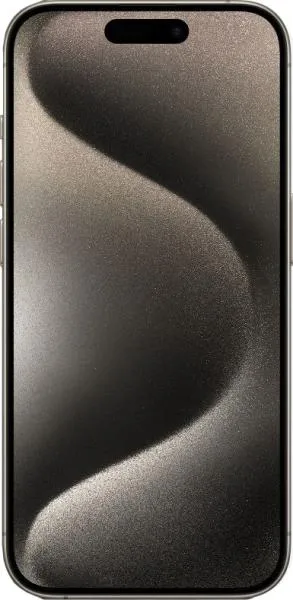
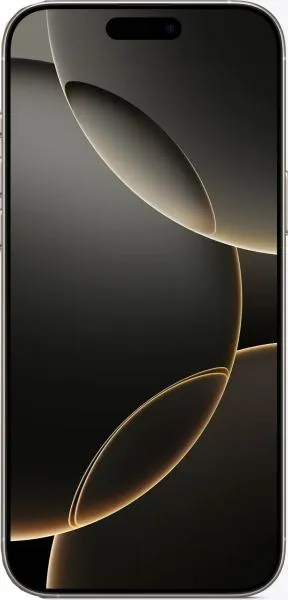
1. Specifications Comparison
| Feature | Category | Apple iPhone 15 Pro | Apple iPhone 16 Pro Max | Practical Impact |
|---|---|---|---|---|
| Dimensions | Design | 146.6 x 70.6 x 8.3 mm | 163 x 77.6 x 8.3 mm | The 16 Pro Max is significantly larger, impacting one-handed usability and pocketability. |
| Weight | Design | 187g | 227g | The 16 Pro Max is noticeably heavier, potentially causing fatigue during extended use. |
| Display Size | Display | 6.1 inches | 6.9 inches | The 16 Pro Max offers a much larger screen for immersive media consumption and multitasking, but sacrifices portability. |
| Resolution | Display | 1179 x 2556 | 1320 x 2868 | The 16 Pro Max has a higher resolution, resulting in slightly sharper text and images, especially noticeable on the larger screen. |
| Display Type | Display | LTPO Super Retina XDR OLED, 120Hz | LTPO Super Retina XDR OLED, 120Hz | Both offer excellent displays with smooth scrolling and vibrant colors thanks to HDR10 and Dolby Vision support. |
| Chipset | Performance | Apple A17 Pro (3 nm) | Apple A18 Pro (3 nm) | The A18 Pro in the 16 Pro Max should offer a performance boost in speed and efficiency, though real-world differences may be subtle for average users. |
| CPU | Performance | Hexa-core (2x3.78 GHz + 4x2.11 GHz) | Hexa-core (2x4.05 GHz + 4x2.42 GHz) | The 16 Pro Max boasts higher clock speeds, translating to faster app loading and smoother multitasking. |
| GPU | Performance | Apple GPU (6-core) | Apple GPU (6-core) | While both have 6-core GPUs, the A18 Pro's GPU likely offers performance improvements in graphics-intensive tasks like gaming. |
| RAM | Performance | 8GB | 8GB | Both phones have the same RAM, suggesting similar multitasking capabilities. |
| Battery Capacity | Battery | 3274 mAh | 4685 mAh | The 16 Pro Max has a significantly larger battery, likely resulting in much longer battery life. |
| Storage Options | Storage | 256GB, 512GB, 1TB | 512GB, 1TB | The 15 Pro offers a 256GB option for users with lower storage needs, while the 16 Pro Max starts at 512GB. |
| Video Capabilities | Camera | Up to 4K@60fps (HDR) | Up to 4K@120fps (HDR) | The 16 Pro Max can record slow-motion video at higher resolutions, offering smoother and more detailed slow-motion footage. |
2. Key Differences Analysis
iPhone 15 Pro Advantages:
- More Compact: Easier to handle and carry in pockets.
- Lower Price: Likely more affordable.
- More Storage Options: Offers a 256GB option for budget-conscious users.
iPhone 16 Pro Max Advantages:
- Larger Display: More immersive experience for media and multitasking.
- Significantly Longer Battery Life: Less frequent charging.
- Faster Performance: Smoother performance for demanding tasks and future-proofing.
- Higher Resolution Video Recording: More detailed slow-motion capture.
3. User Profiles & Recommendations
iPhone 15 Pro: Users who prioritize one-handed usability, portability, and affordability. Ideal for users who consume media moderately and don't require the absolute best performance.
iPhone 16 Pro Max: Users who prioritize a large screen for immersive media consumption, gaming, and productivity. Ideal for power users, content creators, and those who demand long battery life.
4. Decision Framework
Key Questions:
- What screen size do you prefer? Large screen for immersive experiences or smaller screen for portability?
- How important is battery life? Heavy user requiring all-day battery or moderate user with access to charging?
- What is your budget? Prioritize affordability or willing to pay a premium for the latest technology?
Scenario-Based Recommendations:
- Heavy media consumer with a large budget: iPhone 16 Pro Max
- On-the-go professional needing reliable battery life: iPhone 16 Pro Max
- Casual user prioritizing affordability and portability: iPhone 15 Pro
- Gamer seeking the best performance: iPhone 16 Pro Max
My Choice: iPhone 15 Pro
While the iPhone 16 Pro Max boasts impressive specs, I would choose the iPhone 15 Pro. My priorities are one-handed usability and portability. The larger size and weight of the 16 Pro Max would be detrimental to my daily usage. The performance difference between the A17 Pro and A18 Pro is likely negligible for my needs. The 15 Pro offers a good balance of performance, features, and portability at a potentially lower price point. The 256GB storage option also aligns with my storage requirements. Ultimately, the 16 Pro Max's advantages don't outweigh the inconvenience of its larger size for my personal preferences.
