1. Specifications Comparison
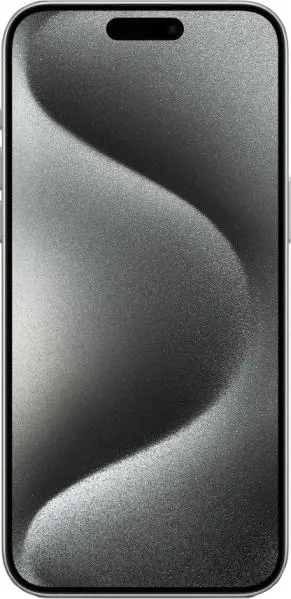
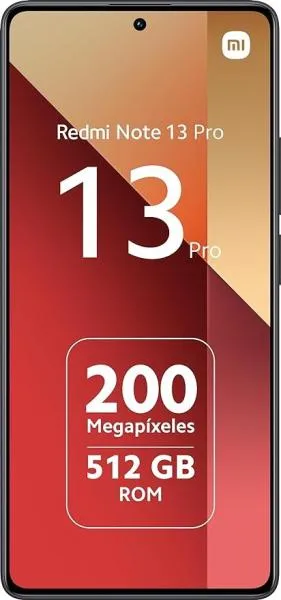
| Feature | Apple iPhone 15 Pro Max | Xiaomi Redmi Note 13 Pro 4G | Practical Impact |
|---|---|---|---|
| Design | |||
| Dimensions | 159.9 x 76.7 x 8.3 mm | 161.1 x 75 x 8 mm | iPhone slightly shorter, wider, and thicker. Negligible difference in hand feel. |
| Weight | 221g | 188g | iPhone significantly heavier. Noticeable in prolonged use. |
| Build Materials | (Unspecified) | (Unspecified) | Build quality and durability cannot be compared without more information. |
| Display | |||
| Size | 6.7" | 6.67" | Virtually identical screen sizes. |
| Type | LTPO Super Retina XDR OLED | AMOLED | Both offer vibrant colors and deep blacks. iPhone's LTPO allows for dynamic refresh rate adjustment, saving battery. |
| Resolution | 1290 x 2796 | 1080 x 2400 | iPhone has a sharper display (460 ppi vs 395 ppi). Noticeable in text clarity and image detail. |
| Peak Brightness | 2000 nits (HBM) | 1300 nits (peak) | iPhone gets significantly brighter in direct sunlight, improving outdoor visibility. |
| Refresh Rate | 120Hz | 120Hz | Both offer smooth scrolling and animations. |
| Performance | |||
| Chipset | Apple A17 Pro (3 nm) | Mediatek Helio G99 Ultra | A17 Pro is significantly more powerful. Expect much faster performance and smoother multitasking on the iPhone. |
| CPU | Hexa-core (2x3.78 GHz + 4x2.11 GHz) | Octa-core (2x2.2 GHz Cortex-A76 & 6x2.0 GHz Cortex-A55) | iPhone's CPU offers superior single-core and multi-core performance. |
| GPU | Apple GPU (6-core graphics) | Mali-G57 MC2 | iPhone's GPU is significantly more powerful, enabling smoother gaming and graphics-intensive tasks. |
| RAM | 8GB | 8GB/12GB | RAM amount is comparable. While the Redmi offers a 12GB option, the A17's architecture and iOS optimization likely negate this advantage. |
| Storage | 512GB, 1TB | 256GB, 512GB | Both offer ample storage. |
| Camera | |||
| Video Capabilities | Up to 4K@60fps (HDR), 1080p@240fps (HDR) | 1080p@30/60fps | iPhone offers significantly better video recording capabilities with higher resolution, frame rates, and HDR. |
| Specific Sensor Details | Missing | Missing | Detailed camera sensor comparison impossible without more information. |
| Battery | |||
| Capacity | 4441 mAh | 5000 mAh | Redmi has a larger battery capacity, but real-world battery life depends on optimization and usage. |
2. Key Differences Analysis
iPhone 15 Pro Max Advantages:
- Significantly more powerful: The A17 Pro chip offers a massive performance advantage for demanding tasks and gaming.
- Superior display: Sharper, brighter, and more power-efficient due to LTPO technology.
- Better video recording: Higher resolution, frame rates, and HDR support.
Redmi Note 13 Pro 4G Advantages:
- Lower price: Significantly more affordable.
- Larger battery capacity: Potentially longer battery life, but real-world usage will vary.
3. User Profiles & Recommendations
iPhone 15 Pro Max: Users who prioritize performance, premium display, and high-quality video recording, and are willing to pay a premium price. Ideal for demanding tasks, gaming, and content creation.
Redmi Note 13 Pro 4G: Budget-conscious users who prioritize battery life and a large display. Suitable for everyday tasks, social media, and light gaming.
4. Decision Framework
Key Questions for Buyers:
- What is your budget? The iPhone is significantly more expensive.
- What are your performance needs? For demanding tasks and gaming, the iPhone is far superior.
- How important is camera quality? The iPhone offers superior video recording capabilities.
My Choice: Apple iPhone 15 Pro Max
While the Redmi Note 13 Pro 4G offers excellent value for its price, I would choose the iPhone 15 Pro Max. The significant performance difference offered by the A17 Pro chip, coupled with the superior display and video recording capabilities, justifies the higher price for my needs. I prioritize a smooth and responsive user experience, especially for demanding tasks and mobile gaming, and I am willing to invest in a device that delivers top-tier performance. The sharper and brighter display is also a major factor for me, as I spend considerable time consuming media on my phone. While battery life is important, I value performance and display quality more.
