1. Specifications Comparison
| Feature | Apple iPhone 15 Pro Max | Xiaomi Redmi Note 13 | Practical Impact |
|---|---|---|---|
| Design | |||
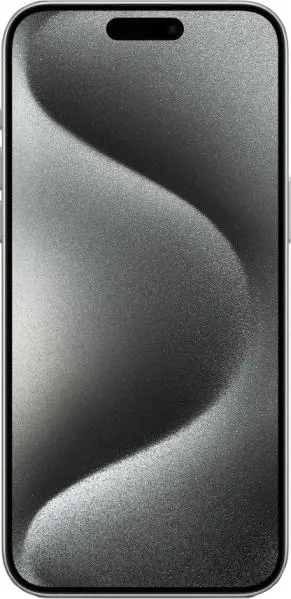
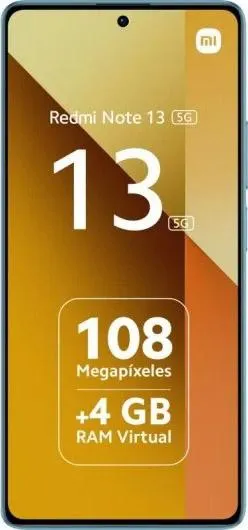
| Dimensions | 159.9 x 76.7 x 8.3 mm | 161.1 x 75 x 7.6 mm | Redmi Note 13 is slightly taller and narrower, but thinner overall. Negligible difference in hand feel. |
| Weight | 221g | 174.5g | iPhone 15 Pro Max is significantly heavier. May cause fatigue during extended use. |
| Build Materials | Unspecified | Unspecified | Build quality and durability cannot be compared without more information. |
| Display | |||
| Display Type | LTPO Super Retina XDR OLED | AMOLED | Both offer vibrant colors and deep blacks. iPhone's LTPO allows for dynamic refresh rate adjustment, saving battery. |
| Size | 6.7" | 6.67" | Negligible size difference. |
| Resolution | 1290 x 2796 | 1080 x 2400 | iPhone has a sharper display (460 ppi vs 395 ppi), noticeable in text clarity and image detail. |
| Refresh Rate | 120Hz | 120Hz | Both offer smooth scrolling and animations. |
| Peak Brightness | 2000 nits (HBM) | 1000 nits | iPhone offers significantly higher peak brightness, improving outdoor visibility. |
| Performance | |||
| Chipset | Apple A17 Pro (3 nm) | MediaTek Dimensity 6080 (6 nm) | A17 Pro is expected to significantly outperform the Dimensity 6080 in processing power and graphics rendering. Impacts gaming, multitasking, and demanding apps. |
| CPU | Hexa-core (2x3.78 GHz + 4x2.11 GHz) | Octa-core (2x2.4 GHz Cortex-A76 & 6x2.0 GHz Cortex-A55) | A17 Pro's architecture and higher clock speeds contribute to its superior performance. |
| GPU | Apple GPU (6-core graphics) | Mali-G57 MC2 | iPhone offers superior graphics performance, crucial for gaming and visual applications. |
| RAM | 8GB | 8GB/12GB | Redmi offers a 12GB RAM option, potentially improving multitasking performance, though the A17 Pro's efficiency might negate this advantage. |
| Storage | 512GB/1000GB | 256GB | iPhone offers larger storage options. |
| Camera | |||
| Video Capabilities | Up to 4K@60fps (HDR), 1080p@240fps (HDR) | 1080p@30fps | iPhone offers significantly better video recording capabilities with higher resolution, frame rates, and HDR support. |
| Specific Sensor Details | Unspecified for both | Unspecified for both | Image quality comparison is impossible without sensor size, aperture, and other details. |
| Battery | |||
| Capacity | 4441 mAh | 5000 mAh | Redmi Note 13 has a larger battery capacity, potentially leading to longer battery life. However, real-world usage depends on software optimization and power efficiency of the chipset. |
2. Key Differences Analysis
iPhone 15 Pro Max Advantages:
- Significantly higher performance: The A17 Pro chip offers a substantial performance advantage for demanding tasks and gaming.
- Superior display: Sharper resolution, higher peak brightness, and dynamic refresh rate enhance visual experience.
- Advanced video recording: Wider range of resolutions, frame rates, and HDR support.
- Potentially longer software support: Apple typically provides longer OS updates compared to Android manufacturers.
Redmi Note 13 Advantages:
- Lower price: Significantly more affordable.
- Larger battery capacity: Potentially longer battery life, but real-world results depend on optimization.
- Higher RAM option: 12GB RAM configuration might benefit heavy multitaskers.
3. User Profiles & Recommendations
iPhone 15 Pro Max: Users who prioritize performance, premium display, long-term software support, and advanced video recording, and are willing to pay a premium. Ideal for demanding tasks, gaming, content creation.
Redmi Note 13: Budget-conscious users who prioritize battery life and value for money. Suitable for everyday tasks, social media, and light gaming.
4. Decision Framework
Key Questions for Buyers:
- What is your budget? The iPhone 15 Pro Max is significantly more expensive.
- What are your primary use cases? Demanding tasks and gaming benefit from the iPhone's performance, while basic usage might not necessitate such power.
- How important are camera and display quality? The iPhone excels in these areas.
Scenario-Based Recommendations:
- Gamer: iPhone 15 Pro Max
- Photographer/Videographer: iPhone 15 Pro Max (pending further camera spec details)
- Budget-conscious user: Redmi Note 13
- User who values long-term software updates: iPhone 15 Pro Max
My Choice: Apple iPhone 15 Pro Max
While the Redmi Note 13 offers excellent value, the iPhone 15 Pro Max's significant performance advantage, superior display, and expected longer software support are crucial for my needs. I prioritize a smooth, future-proof experience and am willing to invest in the premium features offered by the iPhone. The superior video recording capabilities are also a major deciding factor. While battery life is a concern, I prioritize performance and overall user experience over marginal gains in battery capacity. The price difference is substantial, but the long-term value proposition of the iPhone, considering its performance and extended software support, makes it the better choice for me.
