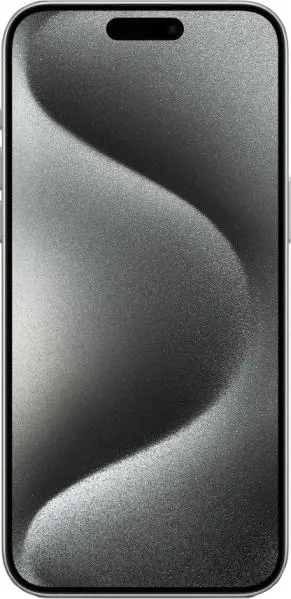
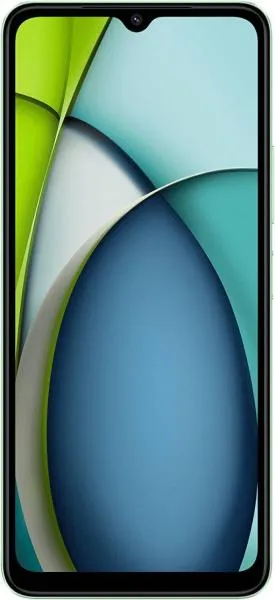
1. Specifications Comparison
| Feature | Apple iPhone 15 Pro Max | Xiaomi Redmi A3x | Practical Impact |
|---|---|---|---|
| Design | |||
| Dimensions | 159.9 x 76.7 x 8.3 mm | 168.4 x 76.3 x 8.3 mm | The iPhone 15 Pro Max is slightly shorter and narrower but both have the same thickness. The Redmi A3x might feel slightly larger in hand. |
| Weight | 221 g | 193 g | The iPhone 15 Pro Max is noticeably heavier. |
| Build Materials | Information not provided | Information not provided | Build quality and material durability cannot be compared without further information. |
| Display | |||
| Display Type | LTPO Super Retina XDR OLED | IPS LCD | The iPhone's OLED display will offer significantly better contrast, deeper blacks, wider viewing angles, and potentially higher brightness compared to the Redmi's LCD. |
| Size | 6.7" | 6.71" | Negligible difference in screen real estate. |
| Resolution | 1290 x 2796 | 720 x 1650 | Much sharper and more detailed visuals on the iPhone. Text, images, and videos will be significantly clearer. |
| Refresh Rate | 120Hz | 90Hz | Smoother animations and scrolling on the iPhone, leading to a more fluid user experience. |
| Brightness | 1000 nits (typ), 2000 nits (HBM) | 500 nits | The iPhone will be much brighter and easier to see outdoors, especially in direct sunlight. |
| Performance | |||
| Chipset | Apple A17 Pro (3 nm) | Unisoc T603 (22 nm) | The A17 Pro is significantly more powerful, enabling much faster performance in all tasks, including demanding games and applications. The Redmi's T603 is a budget chipset focused on basic functionality. |
| CPU | Hexa-core (2x3.78 GHz + 4x2.11 GHz) | Octa-core 1.8 GHz | Significantly faster CPU performance on the iPhone, resulting in quicker app loading, smoother multitasking, and better responsiveness. |
| GPU | Apple GPU (6-core graphics) | Information not provided. Only core count "8" provided. | The iPhone's GPU will offer vastly superior graphics performance, crucial for gaming and graphically intensive tasks. Detailed comparison is impossible without full Redmi GPU information. |
| RAM | 8GB | 4GB | More RAM in the iPhone allows for better multitasking and smoother performance when running multiple apps simultaneously. |
| Storage | 512GB/1TB | 128GB | More storage options on the iPhone cater to users with large media libraries. The Redmi offers less storage, limiting the number of apps, photos, and videos that can be stored. |
| Camera | |||
| Video Capabilities | Up to 4K@60fps (HDR), 1080p@240fps (HDR) | 1080p@30fps | The iPhone offers significantly higher resolution and frame rate video recording capabilities, including slow-motion recording, resulting in superior video quality. |
| Specific Sensor details | Information not provided for either phone. | Information not provided for either phone. | Image and video quality comparisons beyond resolution and frame rate are not possible without sensor details like sensor size and aperture. |
| Battery | |||
| Capacity | 4441 mAh | 5000 mAh | While the Redmi has a larger battery capacity, the iPhone's more efficient processor and optimized software may result in comparable or even better battery life. Real-world battery tests are needed for accurate comparison. |
| Other | |||
| OS | iOS 17 | Android 14 | Different operating systems cater to different user preferences. iOS is known for its simplicity and tight integration, while Android offers more customization options. |
| NFC | True | False | The iPhone supports NFC for contactless payments and other applications, while the Redmi does not. |
2. Key Differences Analysis
iPhone 15 Pro Max Advantages:
- Significantly higher performance: The A17 Pro chip provides a substantial performance advantage for demanding tasks and gaming.
- Superior display: The OLED display offers better color accuracy, contrast, and brightness.
- Smoother user experience: 120Hz refresh rate ensures fluid animations and scrolling.
- Advanced camera features: Higher resolution and frame rate video recording capabilities.
- Premium build quality: While materials are not specified, iPhones generally have a reputation for high-quality construction (this is an assumption based on historical data, not provided specs).
Xiaomi Redmi A3x Advantages:
- Lower price: Significantly more affordable.
- Larger battery capacity: Potentially longer battery life, though real-world usage will vary.
- Lighter weight: More comfortable for extended use.
3. User Profiles & Recommendations
iPhone 15 Pro Max: Users who prioritize performance, display quality, premium features, and a seamless user experience. Ideal for demanding tasks, gaming, content creation, and mobile photography/videography.
Xiaomi Redmi A3x: Budget-conscious users who prioritize basic functionality, long battery life, and affordability. Suitable for everyday tasks like calling, texting, browsing, and social media.
4. Decision Framework
Key Questions:
- What is your budget? The iPhone 15 Pro Max is a premium device, while the Redmi A3x is a budget option.
- What are your primary use cases? Demanding tasks and gaming benefit from the iPhone's performance, while basic usage is well-served by the Redmi.
- Which operating system do you prefer? iOS and Android offer different experiences and ecosystems.
My Choice:
I would choose the iPhone 15 Pro Max. While significantly more expensive, the substantial performance difference, superior display, smoother user experience, and advanced features justify the price for my needs. I prioritize a fluid and responsive phone for productivity, content creation, and occasional gaming. The improved camera capabilities are also a significant factor. While the Redmi A3x offers good value for its price, the performance limitations and lower quality display would be a compromise I'm not willing to make. The lack of NFC is also a drawback for me.
