1. Specifications Comparison
| Feature | Apple iPhone 15 Pro Max | Xiaomi Redmi A3 | Practical Impact |
|---|---|---|---|
| Design | |||
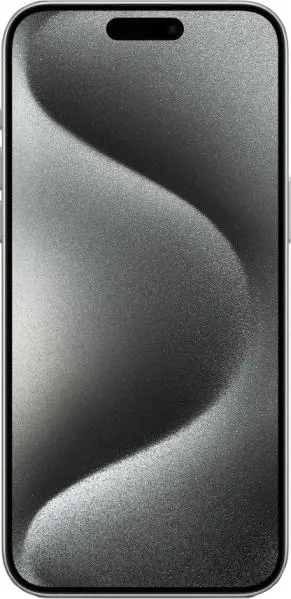
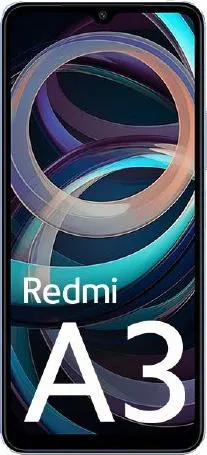
| Dimensions | 159.9 x 76.7 x 8.3 mm | 168.3 x 76.3 x 8.3 mm | iPhone 15 Pro Max is slightly shorter and narrower. |
| Weight | 221g | 193g | Redmi A3 is noticeably lighter. |
| Build Materials | Not specified | Not specified | Build quality and durability cannot be compared without further information. |
| Display | |||
| Display Type | LTPO Super Retina XDR OLED | IPS LCD | iPhone's OLED offers significantly better contrast, color accuracy, and viewing angles. |
| Display Size | 6.7" | 6.71" | Negligible size difference. |
| Resolution | 1290 x 2796 | 720 x 1650 | iPhone has a much sharper display with higher pixel density (460 ppi vs 268 ppi), resulting in crisper text and images. |
| Refresh Rate | 120Hz | 90Hz | iPhone's 120Hz display provides smoother scrolling and animations. |
| Brightness | 1000 nits (typ), 2000 nits (peak) | 500 nits (HBM) | iPhone gets much brighter, improving outdoor visibility. |
| Performance | |||
| Chipset | Apple A17 Pro (3 nm) | Mediatek Helio G36 (12 nm) | A17 Pro is significantly more powerful, enabling smoother multitasking, faster app loading, and better gaming performance. |
| CPU | Hexa-core (2x3.78 GHz + 4x2.11 GHz) | Octa-core (4x2.2 GHz Cortex-A53 & 4x1.6 GHz Cortex-A53) | A17 Pro's architecture and higher clock speeds provide a substantial performance advantage. |
| GPU | Apple GPU (6-core graphics) | PowerVR GE8320 | iPhone offers significantly better graphics performance for demanding games and applications. |
| RAM | 8GB | 4GB/6GB | More RAM in the iPhone allows for better multitasking and smoother performance. |
| Storage | 512GB/1000GB | 128GB | iPhone offers significantly more storage. |
| Camera | |||
| Rear Camera | Not specified | Not specified | Camera quality cannot be compared without detailed sensor and lens specifications. |
| Video Recording | Up to 4K@60fps (HDR), 1080p@240fps (HDR) | 1080p@30fps | iPhone offers superior video recording capabilities with higher resolution, frame rates, and HDR support. |
| Battery | |||
| Capacity | 4441 mAh | 5000 mAh | Redmi A3 has a larger battery capacity, but real-world battery life depends on optimization and usage. |
2. Key Differences Analysis
iPhone 15 Pro Max Advantages:
- Significantly higher performance: The A17 Pro chip offers a substantial performance advantage for demanding tasks and gaming.
- Superior display: The OLED display with 120Hz refresh rate provides a far better visual experience.
- More premium design: While materials aren't specified, iPhones generally utilize higher quality materials.
- Advanced camera features: Expected to have a more advanced camera system based on Apple's history, although specifics aren't provided.
Redmi A3 Advantages:
- Lower price: Significantly more affordable.
- Larger battery capacity: Potentially longer battery life, though real-world usage will vary.
- Lighter weight: More comfortable for extended use.
3. User Profiles & Recommendations
iPhone 15 Pro Max: Users who prioritize performance, premium experience, a vibrant display, and advanced features. Ideal for demanding tasks, gaming, content creation, and users who value a smooth and responsive user interface.
Redmi A3: Budget-conscious users who prioritize basic functionality, long battery life, and affordability. Suitable for everyday tasks like calling, texting, browsing, and light media consumption.
4. Decision Framework
Key Questions for Buyers:
- What is your budget? The iPhone 15 Pro Max is a premium device, while the Redmi A3 is budget-friendly.
- What are your primary use cases? Demanding tasks and gaming benefit from the iPhone's performance, while basic usage is well-served by the Redmi A3.
- How important are display quality and performance? The iPhone significantly outperforms the Redmi A3 in these areas.
My Choice:
I would choose the iPhone 15 Pro Max. While significantly more expensive, the superior performance, stunning display, and expected advanced camera system are crucial for my needs. I prioritize a smooth and responsive user experience, high-quality visuals for content consumption, and the capability to handle demanding tasks without lag. The higher price is justified by the long-term value and superior user experience the iPhone 15 Pro Max offers. The Redmi A3, while a good budget option, compromises too much on performance and display quality for my preferences.
