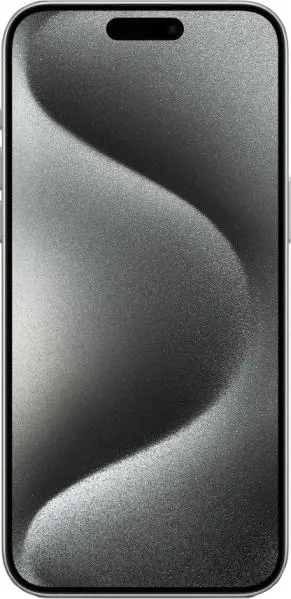
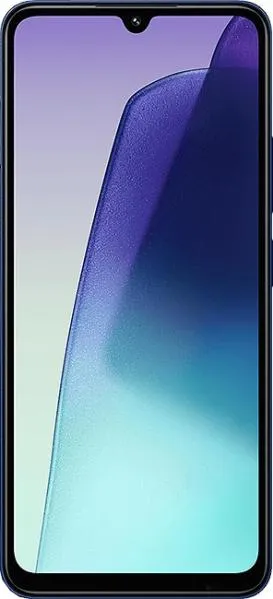
1. Specifications Comparison
| Feature | Apple iPhone 15 Pro Max | Xiaomi Redmi 14C | Practical Impact |
|---|---|---|---|
| Design | |||
| Dimensions | 159.9 x 76.7 x 8.3 mm | 171.9 x 77.8 x 8.2 mm | The iPhone 15 Pro Max is noticeably smaller and slightly thinner, making it more pocketable and easier to handle one-handed despite being heavier. |
| Weight | 221g | 211g | The iPhone, while smaller, is heavier due to its premium materials (surgical grade stainless steel frame). The Redmi 14C prioritizes lightness with a likely plastic build. |
| Build Materials | (Information not provided but likely Stainless Steel and Glass) | (Information not provided but likely Plastic) | Impacts durability, premium feel, and signal reception. Stainless steel offers greater durability but can hinder signal. |
| Display | |||
| Display Type | LTPO Super Retina XDR OLED | IPS LCD | The iPhone's OLED display provides significantly better contrast, deeper blacks, wider viewing angles, and potentially higher power efficiency due to per-pixel illumination. |
| Size | 6.7 inches | 6.88 inches | The Redmi 14C offers a slightly larger screen for media consumption but at the cost of lower resolution and pixel density. |
| Resolution | 1290 x 2796 | 720 x 1640 | The iPhone boasts a much sharper display (460 ppi vs 260 ppi), resulting in crisper text and images. The difference will be noticeable in everyday use. |
| Refresh Rate | 120Hz | 120Hz | Both phones offer smooth scrolling and animations thanks to the 120Hz refresh rate. |
| Brightness (typ) | 1000 nits | 450 nits | The iPhone's display gets significantly brighter, ensuring better visibility outdoors, especially in direct sunlight. |
| Performance | |||
| Chipset | Apple A17 Pro (3 nm) | Mediatek Helio G81 Ultra | The A17 Pro is a significantly more powerful chip built on a more advanced process node, resulting in superior performance, efficiency, and graphics capabilities for demanding tasks and gaming. |
| CPU | Hexa-core (2x3.78 GHz + 4x2.11 GHz) | Octa-core (2x2.0 GHz Cortex-A75 & 6x1.8 GHz Cortex-A55) | The iPhone's CPU boasts higher clock speeds and a more efficient architecture, translating to much faster app loading, smoother multitasking, and better responsiveness. |
| GPU | Apple GPU (6-core) | Mali-G52 MC2 | The iPhone's GPU is considerably more powerful, enabling smoother gameplay, better graphics rendering, and support for more demanding graphical tasks. |
| RAM | 8GB | 6GB/8GB | While both offer ample RAM for everyday tasks, the iPhone's optimized OS might offer better memory management despite potentially having less RAM in some configurations. |
| Battery | |||
| Capacity | 4441 mAh | 5160 mAh | The Redmi 14C has a larger battery capacity, potentially offering longer battery life. However, real-world usage will depend on software optimization and power efficiency of the display and chipset. |
| Camera | |||
| Video Capabilities | Up to 4K@60fps (HDR), 1080p@240fps (HDR) | 1080p@30fps | The iPhone offers vastly superior video recording capabilities with higher resolution, frame rates, and HDR support, resulting in significantly better video quality. |
| Other | |||
| Price Range | High | Medium | Significant price difference, reflecting the premium features and performance of the iPhone. |
| OS | iOS 17 | Android 14 | Different operating systems cater to different user preferences and ecosystems. |
2. Key Differences Analysis
iPhone 15 Pro Max Advantages:
- Significantly higher performance: The A17 Pro chip offers a substantial performance advantage for demanding tasks, gaming, and future-proofing.
- Superior display: The OLED display provides drastically better image quality, brightness, and power efficiency.
- Premium build and design: Likely using higher quality materials for better durability and a more premium feel.
- Advanced camera features: Much better video recording capabilities and likely superior image quality (details not provided for still photography).
Redmi 14C Advantages:
- Larger battery: Potentially longer battery life, although real-world usage varies.
- Lower price: Significantly more affordable.
- Slightly larger display: More screen real estate for media consumption.
3. User Profiles & Recommendations
iPhone 15 Pro Max: Users who prioritize performance, premium design, the best display technology, a robust app ecosystem, and are willing to pay a premium. Ideal for demanding users, mobile gamers, content creators, and those seeking a long-term investment.
Redmi 14C: Budget-conscious users who prioritize battery life and a large screen for media consumption. Suitable for casual users, students, and those primarily using their phones for basic tasks like browsing, social media, and communication.
4. Decision Framework
Key Questions for Buyers:
- What is your budget? The iPhone 15 Pro Max is significantly more expensive.
- What are your primary smartphone use cases? Demanding tasks and gaming benefit from the iPhone's superior performance, while basic tasks can be adequately handled by the Redmi 14C.
- What features are most important to you? Prioritize display quality, performance, camera, battery life, or affordability?
Scenario-Based Recommendations:
- Heavy user, gamer, content creator: iPhone 15 Pro Max
- Budget-conscious user, basic tasks: Redmi 14C
- Best possible display and camera: iPhone 15 Pro Max
- Longest possible battery life on a budget: Redmi 14C
My Choice: Apple iPhone 15 Pro Max
Why: While significantly more expensive, the iPhone 15 Pro Max offers a vastly superior user experience in almost every aspect. The performance difference is substantial, ensuring a smooth and responsive experience for years to come. The OLED display is a game-changer for media consumption and everyday use. While battery life is a consideration, I prioritize performance, display quality, a premium build, and a robust app ecosystem. The long-term value and superior user experience justify the higher price for my needs. I also value the likely better build quality and more polished software experience that Apple typically provides.
