1. Specifications Comparison
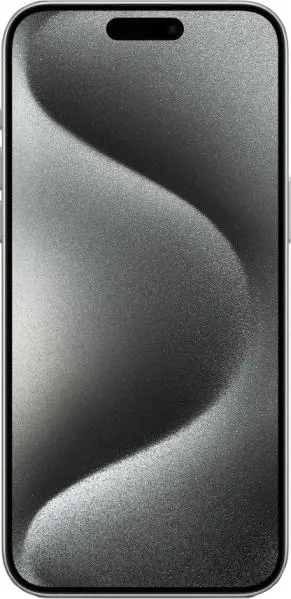
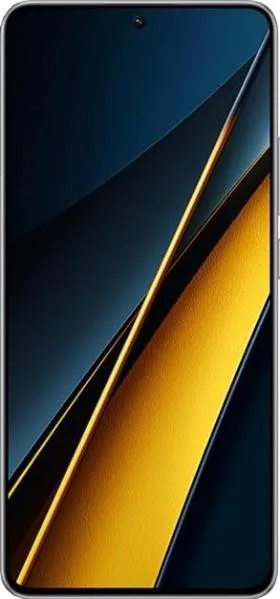
| Feature | Category | Apple iPhone 15 Pro Max | Xiaomi Poco X6 Pro | Practical Impact |
|---|---|---|---|---|
| Dimensions | Design | 159.9 x 76.7 x 8.3 mm, 221g | 160.5 x 74.3 x 8.3 mm, 186g | The Poco X6 Pro is slightly larger but noticeably lighter, potentially improving one-handed usability. |
| Build | Design | Titanium frame | Not specified | The iPhone's titanium frame offers superior durability and premium feel, though the Poco X6 Pro's material is unknown and could also be durable. |
| Display Type | Display | LTPO Super Retina XDR OLED | AMOLED | Both offer excellent color accuracy and deep blacks. The iPhone's LTPO technology allows for dynamic refresh rate adjustment, saving battery. |
| Display Size & Resolution | Display | 6.7", 1290x2796 (460 ppi) | 6.67", 1220x2712 (446 ppi) | Negligible difference in size and sharpness. Both offer crisp, detailed visuals. |
| Peak Brightness | Display | 2000 nits (HBM) | 1800 nits (peak) | The iPhone's slightly higher peak brightness improves outdoor visibility in direct sunlight. |
| Refresh Rate | Display | 120Hz | 120Hz | Both offer smooth scrolling and animations. |
| Chipset | Performance | Apple A17 Pro (3 nm) | Mediatek Dimensity 8300 Ultra (4 nm) | The A17 Pro is expected to provide superior performance and efficiency due to its advanced manufacturing process. |
| CPU | Performance | Hexa-core (2x3.78 GHz + 4x2.11 GHz) | Octa-core (1x3.35 GHz Cortex-A715 & 3x3.20 GHz Cortex-A715 & 4x2.20 GHz Cortex-A510) | Apple's custom core design often outperforms Android counterparts despite lower clock speeds. Real-world performance depends on optimization. |
| GPU | Performance | Apple GPU (6-core graphics) | Mali G615-MC6 | Apple's GPUs generally offer better gaming performance. |
| RAM | Performance | 8GB | 12GB | The Poco X6 Pro has more RAM, potentially allowing for better multitasking, though iOS's memory management often mitigates this advantage. |
| Storage | Performance | 512GB/1TB | 256GB/512GB | Both offer ample storage. |
| Battery Capacity | Battery | 4441 mAh | 5000 mAh | The Poco X6 Pro has a larger battery, potentially leading to longer battery life. Real-world usage will vary. |
| OS | Software | iOS 17 | Android 14 | Significant difference in user interface and ecosystem. Personal preference plays a major role. |
| Camera | Camera | Not specified | Not specified | Cannot compare without detailed camera specifications. |
| Price | Value | High | Medium | Significant price difference, making the Poco X6 Pro a more budget-friendly option. |
2. Key Differences Analysis
iPhone 15 Pro Max Advantages:
- Performance: Likely significantly faster and more efficient due to the A17 Pro chip.
- Premium Materials: Titanium frame offers superior durability and a more premium feel.
- Display: Slightly brighter for better outdoor visibility. LTPO technology allows for dynamic refresh rate and potentially longer battery life.
- Software: iOS ecosystem known for its simplicity, security, and app optimization.
Poco X6 Pro Advantages:
- Price: Significantly more affordable.
- Battery: Larger battery capacity potentially resulting in longer battery life.
- RAM: More RAM could improve multitasking, though real-world impact depends on software optimization.
3. User Profiles & Recommendations
iPhone 15 Pro Max: Users who prioritize performance, premium design, a seamless user experience within the Apple ecosystem, and are willing to pay a premium price. Ideal for demanding tasks like gaming, video editing, and professional photography (assuming a high-quality camera system).
Poco X6 Pro: Budget-conscious users who want a large screen, long battery life, and good performance for everyday tasks. Suitable for social media, web browsing, media consumption, and casual gaming.
4. Decision Framework
Key Questions for Buyers:
- Budget: How much are you willing to spend?
- Performance Needs: Do you require top-tier processing power for demanding tasks or is good enough performance sufficient?
- Ecosystem Preference: Do you prefer iOS or Android?
Scenario-Based Recommendations:
- Gamer: iPhone 15 Pro Max (assuming superior GPU)
- Photographer/Videographer: Cannot recommend without camera specifications.
- Budget-Conscious User: Poco X6 Pro
- Heavy Multitasker: Potentially Poco X6 Pro due to larger RAM, but real-world performance depends on software.
My Choice:
I would choose the iPhone 15 Pro Max. While significantly more expensive, the A17 Pro chip's expected performance gains, superior build quality with the titanium frame, brighter display with LTPO, and the overall refined iOS experience are compelling. I prioritize a smooth, powerful, and durable device and am willing to pay the premium for it. The Poco X6 Pro is a strong contender for budget-conscious buyers, but I value the long-term performance and premium feel of the iPhone. This is, of course, a personal preference based on my values and priorities; your needs might be different.
