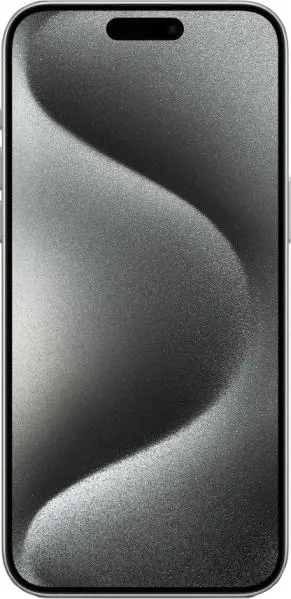
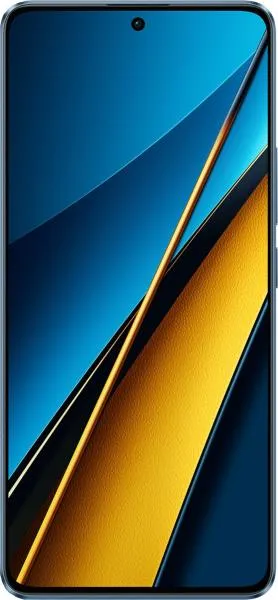
1. Specifications Comparison
| Feature | Apple iPhone 15 Pro Max | Xiaomi Poco X6 | Practical Impact |
|---|---|---|---|
| Design | |||
| Dimensions | 159.9 x 76.7 x 8.3 mm | 161.2 x 74.3 x 8.0 mm | Poco X6 is slightly taller and narrower |
| Weight | 221g | 181g | iPhone 15 Pro Max is noticeably heavier |
| Build | Titanium frame | Not specified | Material differences impact durability and premium feel; information needed for Poco X6 |
| Display | |||
| Size | 6.7" | 6.67" | Negligible size difference |
| Type | LTPO Super Retina XDR OLED | AMOLED | Both offer excellent color and contrast; LTPO allows for dynamic refresh rate saving battery |
| Resolution | 1290 x 2796 | 1220 x 2712 | iPhone has slightly sharper display, but difference is minimal in practice |
| Refresh Rate | 120Hz | 120Hz | Both offer smooth scrolling and animations |
| Peak Brightness | 2000 nits (HBM) | 1800 nits (peak) | iPhone has a slight edge in outdoor readability |
| Performance | |||
| Chipset | Apple A17 Pro (3 nm) | Snapdragon 7s Gen 2 (4 nm) | A17 Pro expected to significantly outperform Snapdragon 7s Gen 2 in demanding tasks and gaming |
| CPU | Hexa-core (2x3.78 GHz + 4x2.11 GHz) | Octa-core (4x2.40 GHz + 4x1.95 GHz) | A17 Pro's architecture and optimization likely result in better single-core and multi-core performance |
| GPU | Apple GPU (6-core) | Adreno 710 | Apple's GPU expected to offer superior graphics performance for gaming and demanding applications |
| RAM | 8GB | 12GB | More RAM on Poco X6 could improve multitasking, but real-world impact depends on software optimization |
| Storage | 512GB/1000GB | 256GB/512GB | iPhone offers a larger maximum storage option |
| Battery | |||
| Capacity | 4441 mAh | 5100 mAh | Poco X6 has larger battery capacity, potentially leading to longer battery life |
| Camera | |||
| Video Capabilities | Up to 4K@60fps, 1080p@240fps | Up to 4K@30fps | iPhone offers significantly more advanced video recording options including higher resolution and frame rates. |
| Specific sensor details | Missing for both phones | Missing for both phones | Cannot compare image quality and camera features without sensor specifications |
2. Key Differences Analysis
iPhone 15 Pro Max Advantages:
- Significantly more powerful processor and GPU: Leading to smoother performance, better gaming, and faster app loading.
- Brighter Display: Better visibility in direct sunlight.
- More Advanced Video Recording: Higher resolution and frame rate options provide greater flexibility and quality.
- Potentially better software and ecosystem integration: iOS is known for its optimization and app quality.
- Premium Materials: Titanium frame suggests a more durable and luxurious build.
Xiaomi Poco X6 Advantages:
- Larger Battery: Potentially longer battery life.
- More RAM: Could improve multitasking performance, although real-world impact depends on software optimization.
- Lower Price: Significantly more affordable.
- Fingerprint sensor: Offers an alternative biometric unlock option.
Trade-offs:
- Performance vs. Price: iPhone offers superior performance but at a much higher price.
- Battery Life vs. Weight: Poco X6 has a larger battery but is also lighter. iPhone prioritizes performance and premium materials, impacting battery size and weight.
3. User Profiles & Recommendations
iPhone 15 Pro Max: Users who prioritize performance, premium design, the Apple ecosystem, and cutting-edge features, and are willing to pay a premium. Ideal for demanding tasks, gaming, and content creation.
Xiaomi Poco X6: Budget-conscious users who prioritize battery life, a large display, and ample storage. Suitable for everyday tasks, media consumption, and light gaming.
4. Decision Framework
Key Questions:
- What is your budget? The iPhone is significantly more expensive.
- What are your performance needs? The iPhone offers superior performance for demanding tasks and gaming.
- How important is battery life? The Poco X6 likely offers longer battery life.
Scenario-Based Recommendations:
- Heavy user, gamer, content creator: iPhone 15 Pro Max
- Casual user, budget-conscious, prioritize battery life: Xiaomi Poco X6
My Choice: Apple iPhone 15 Pro Max
While the Poco X6 offers compelling value, I would choose the iPhone 15 Pro Max. The significantly superior performance of the A17 Pro chip, the brighter and more advanced display (LTPO), the more versatile video recording capabilities, and the presumed higher build quality stemming from the titanium frame are crucial factors for me. I prioritize a smooth and responsive user experience, especially for demanding tasks and gaming, and I am willing to pay a premium for that. While battery life is important, I value the overall performance and ecosystem integration of the iPhone more. The longer software support lifecycle of the iPhone is also a significant factor. The lack of detailed camera specifications prevents a thorough camera comparison, but the superior video capabilities of the iPhone suggest a stronger overall camera system.
