1. Specifications Comparison
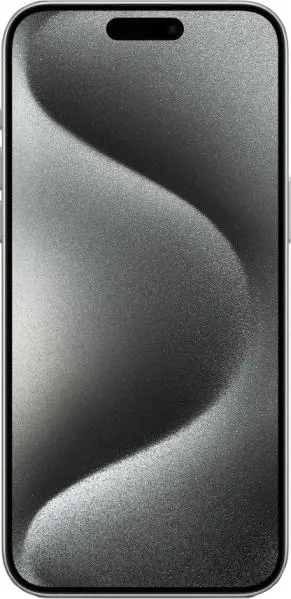
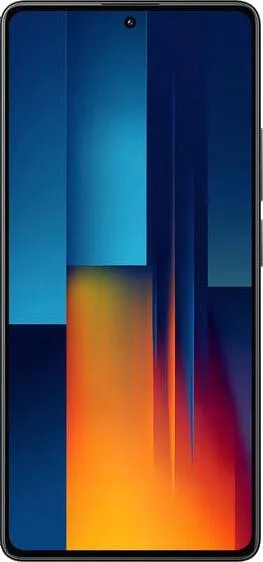
| Feature | Apple iPhone 15 Pro Max | Xiaomi Poco M6 Pro | Practical Impact |
|---|---|---|---|
| Design | |||
| Dimensions (mm) | 159.9 x 76.7 x 8.3 | 161.1 x 75 x 8 | iPhone slightly shorter, wider, thinner. Negligible difference in hand feel. |
| Weight (g) | 221 | 179 | iPhone significantly heavier. May be noticeable during extended use. |
| Build Materials | Not specified | Not specified | Unable to compare build quality and durability. |
| Display | |||
| Display Type | LTPO Super Retina XDR OLED | AMOLED | Both offer high-quality visuals with vibrant colors and deep blacks. iPhone's LTPO allows for dynamic refresh rate adjustment, saving battery. |
| Size (inches) | 6.7 | 6.67 | Virtually identical screen sizes. |
| Resolution | 1290 x 2796 | 1080 x 2400 | iPhone has a significantly sharper display (460 ppi vs 395 ppi). Noticeable difference in clarity, especially for text and images. |
| Refresh Rate (Hz) | 120 | 120 | Both offer smooth scrolling and animations. |
| Peak Brightness (nits) | 2000 (HBM) | 1300 | iPhone gets much brighter outdoors, improving readability in direct sunlight. |
| Performance | |||
| Chipset | Apple A17 Pro (3 nm) | Mediatek Helio G99 Ultra | A17 Pro is significantly more powerful in CPU and GPU performance. Expect smoother multitasking, faster app loading, and better gaming on the iPhone. |
| CPU | Hexa-core (2x3.78 GHz + 4x2.11 GHz) | Octa-core (2x2.2 GHz Cortex-A76 & 6x2.0 GHz Cortex-A55) | See Chipset. |
| GPU | Apple GPU (6-core graphics) | Mali-G57 MC2 | See Chipset. |
| RAM | 8GB | 12GB | While Poco has more RAM, iPhone's optimized OS and powerful chipset likely result in superior real-world performance. |
| Storage | 512GB/1TB | 512GB | Comparable storage options. |
| Camera | |||
| Video Capabilities | Up to 4K@60fps (HDR), 1080p@240fps | 1080p@60fps (EIS) | iPhone offers significantly better video recording capabilities with higher resolution, frame rates, and HDR support. Slow-motion video is also superior on the iPhone. |
| Specific Sensor Details | Not specified for either phone | Not specified for either phone | Cannot compare image quality, low-light performance, or specific camera features. |
| Battery | |||
| Capacity (mAh) | 4441 | 5000 | Poco has a larger battery capacity, potentially offering longer battery life. However, real-world usage depends on optimization. |
2. Key Differences Analysis
iPhone 15 Pro Max Advantages:
- Significantly more powerful processor (A17 Pro) leading to superior performance in demanding tasks and gaming.
- Sharper and brighter display with dynamic refresh rate for better power efficiency.
- Superior video recording capabilities.
- Potentially better long-term software support from Apple.
Xiaomi Poco M6 Pro Advantages:
- Larger battery capacity potentially resulting in longer battery life.
- Lower price point, offering better value for budget-conscious users.
- More RAM (though real-world impact may be less significant due to iOS optimization on iPhone).
3. User Profiles & Recommendations
iPhone 15 Pro Max: Users who prioritize performance, premium display, high-quality video recording, and a seamless software experience. Ideal for demanding tasks, mobile gaming, and content creation.
Xiaomi Poco M6 Pro: Budget-conscious users who prioritize battery life and value. Suitable for everyday tasks, social media, web browsing, and casual gaming. Not recommended for demanding users or those prioritizing camera quality.
4. Decision Framework
Key Questions:
- What is your budget? The iPhone is significantly more expensive.
- What are your primary use cases? Demanding tasks and content creation favor the iPhone. Basic tasks and long battery life favor the Poco M6 Pro.
- How much do you value performance, display quality, and camera features? The iPhone excels in these areas.
Scenario-Based Recommendations:
- Heavy User: If you're a power user or content creator, the iPhone 15 Pro Max is the better choice despite the higher price.
- Casual User on a Budget: If you primarily use your phone for basic tasks and need long battery life, the Poco M6 Pro offers good value.
My Choice: Apple iPhone 15 Pro Max
Why: While the Poco M6 Pro offers a compelling price-to-performance ratio for basic tasks, my priorities are performance, display quality, a smooth user experience, and long-term software support. The A17 Pro chip, superior display, and comprehensive video capabilities of the iPhone 15 Pro Max outweigh the Poco's advantages in battery capacity and price for my usage. I am willing to invest in the premium experience offered by the iPhone.
