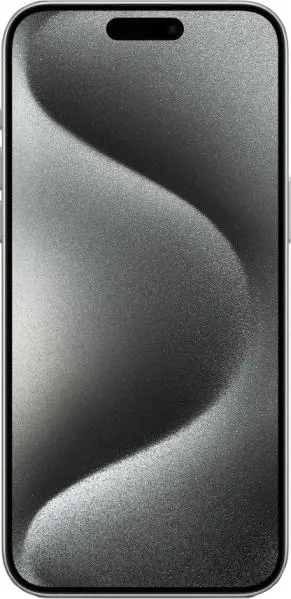
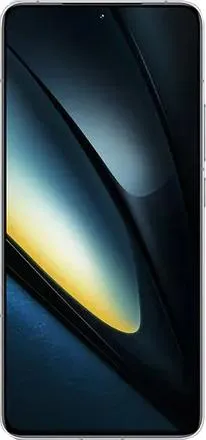
1. Specifications Comparison
| Feature | Apple iPhone 15 Pro Max | Xiaomi Poco F6 Pro | Practical Impact |
|---|---|---|---|
| Design | |||
| Dimensions | 159.9 x 76.7 x 8.3 mm | 160.9 x 75 x 8.2 mm | Virtually identical in size; negligible real-world difference. |
| Weight | 221g | 209g | iPhone is noticeably heavier, potentially impacting one-handed use. |
| Build Materials | Not specified | Not specified | Cannot compare build quality and durability without material information. |
| Display | |||
| Size | 6.7" | 6.67" | Negligible size difference. |
| Type | LTPO Super Retina XDR OLED | AMOLED | Both offer high-quality visuals; LTPO allows for dynamic refresh rate adjustment on the iPhone, potentially saving battery. |
| Resolution | 1290 x 2796 | 1440 x 3200 | Poco F6 Pro has a slightly higher resolution, resulting in marginally sharper text and images. Difference may not be noticeable in everyday use. |
| Refresh Rate | 120Hz | 120Hz | Both offer smooth scrolling and animations. |
| Peak Brightness | 2000 nits (HBM) | 4000 nits (peak) | Poco F6 Pro boasts significantly higher peak brightness, ensuring better visibility in direct sunlight. |
| Performance | |||
| Chipset | Apple A17 Pro (3 nm) | Qualcomm Snapdragon 8 Gen 2 (4 nm) | A17 Pro is expected to offer superior performance and efficiency due to its newer architecture and manufacturing process, but real-world benchmarks are needed for definitive comparison. |
| CPU | Hexa-core (2x3.78 GHz + 4x2.11 GHz) | Octa-core (1x3.2 GHz Cortex-X3 & 2x2.8 GHz Cortex-A715 & 2x2.8 GHz Cortex-A710 & 3x2.0 GHz Cortex-A510) | Core configuration differences are less informative than benchmark results; practical performance will depend on optimization. |
| GPU | Apple GPU (6-core) | Adreno 740 | Apple's GPU performance is generally strong, but direct comparison requires gaming benchmarks. |
| RAM | 8GB | 12GB/16GB | Poco F6 Pro offers more RAM, enabling better multitasking and potentially smoother performance with demanding applications. |
| Storage | 512GB, 1TB | 512GB, 1TB | Comparable storage options. |
| Battery | |||
| Capacity | 4441 mAh | 5000 mAh | Poco F6 Pro has a larger battery, likely resulting in longer battery life. Real-world usage will vary. |
| Camera | |||
| Video Capabilities | Up to 4K@60fps (HDR); 1080p@240fps | Up to 8K@24fps; 720p@1920fps(EIS) | Poco F6 Pro offers higher resolution video recording (8K) and extreme slow-motion (1920fps). iPhone offers better HDR video recording capabilities. Practical choice depends on specific video recording needs. |
| Specific Sensor Details | Missing | Missing | Detailed sensor specifications (size, aperture) are crucial for comparing camera quality. |
| Software | |||
| OS | iOS 17 | Android 14 | OS preference is subjective; impacts user interface, app ecosystem, and customization options. |
2. Key Differences Analysis
iPhone 15 Pro Max Advantages:
- Expected Performance: The A17 Pro chip is likely to provide a performance advantage.
- LTPO Display: Offers dynamic refresh rate for potential power savings.
- Potentially Better Camera Image Quality: Cannot be confirmed without sensor details, but Apple generally excels in image processing.
- Software Ecosystem: iOS is known for its simplicity and tight integration.
Poco F6 Pro Advantages:
- Higher Resolution and Brighter Display: Noticeably brighter screen for better outdoor visibility.
- Larger Battery: Potentially longer battery life.
- Higher Resolution and Slow-Motion Video: Offers 8K recording and extreme slow-motion capabilities.
- More RAM: Improved multitasking and handling of demanding apps.
- Lower Price: Significantly more affordable.
3. User Profiles & Recommendations
iPhone 15 Pro Max: Users prioritizing performance, premium build quality (unconfirmed), seamless software experience, and who are within the Apple ecosystem. Ideal for demanding tasks, content creation, and users valuing a smooth and integrated experience.
Poco F6 Pro: Users prioritizing value for money, a bright and sharp display, long battery life, high-resolution video recording, and who prefer Android's flexibility. Ideal for multimedia consumption, mobile gaming, and users seeking powerful features at a lower price.
4. Decision Framework
Key Questions for Buyers:
- Budget: Is the premium price of the iPhone 15 Pro Max justified for your needs?
- Operating System Preference: Do you prefer the simplicity of iOS or the customization of Android?
- Priority Features: Which features are most important to you (e.g., performance, battery life, camera, display)?
My Choice:
I would choose the Xiaomi Poco F6 Pro. While the iPhone 15 Pro Max likely offers a performance advantage, the Poco F6 Pro provides a compelling combination of features at a significantly lower price. The brighter display, larger battery, and extra RAM are practical advantages that would enhance my daily usage. The potential performance difference is unlikely to be noticeable for my typical workflow. Android's flexibility and the Poco F6 Pro's excellent value proposition make it the more appealing option for me. This decision acknowledges my personal preference for Android and prioritizes practical benefits over potentially marginal performance gains at a much higher cost.
