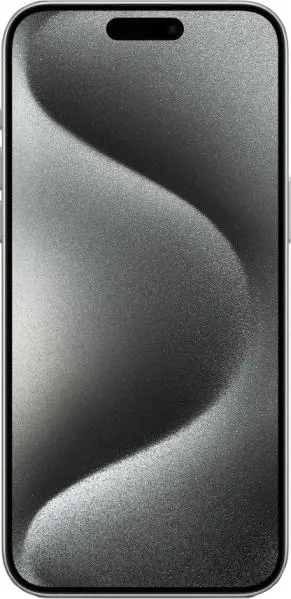
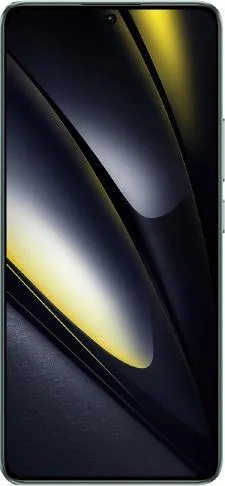
1. Specifications Comparison
| Feature | Apple iPhone 15 Pro Max | Xiaomi Poco F6 | Practical Impact |
|---|---|---|---|
| Design | |||
| Dimensions | 159.9 x 76.7 x 8.3 mm | 160.5 x 74.5 x 8 mm | Virtually identical in size; negligible real-world difference. |
| Weight | 221g | 179g | iPhone is noticeably heavier, potentially impacting one-handed use and pocket comfort. |
| Build Materials | Not specified | Not specified | Cannot compare build quality and durability without material information. |
| Display | |||
| Size | 6.7" | 6.67" | Negligible size difference. |
| Type | LTPO Super Retina XDR OLED | AMOLED | Both offer excellent color accuracy and contrast. LTPO allows for dynamic refresh rate adjustment, potentially saving battery on the iPhone. |
| Resolution | 1290 x 2796 | 1220 x 2712 | iPhone has a slightly sharper display due to higher pixel density (460 ppi vs 446 ppi), but the difference is minimal in everyday use. |
| Peak Brightness | 2000 nits (HBM) | 2400 nits (peak) | Poco F6 boasts higher peak brightness, improving outdoor visibility. |
| Refresh Rate | 120Hz | 120Hz | Both offer smooth scrolling and animations. |
| Performance | |||
| Chipset | Apple A17 Pro (3 nm) | Qualcomm Snapdragon 8s Gen 3 (4 nm) | A17 Pro is generally considered more powerful, particularly in GPU performance, leading to smoother gaming and faster app loading. |
| CPU | Hexa-core (2x3.78 GHz + 4x2.11 GHz) | Octa-core (1x3.0 GHz Cortex-X4 & 4x2.8 GHz Cortex-A720 & 3x2.0 GHz Cortex-A520) | Core configuration differences are less relevant than real-world performance, where the A17 Pro likely holds an edge. |
| RAM | 8GB | 12GB | Poco F6 having more RAM might improve multitasking performance in demanding scenarios, though iOS's memory management often mitigates this advantage. |
| Storage | 512GB/1TB | 512GB | Comparable storage options for most users. |
| Camera | |||
| Details | Missing detailed specs for both phones | Missing detailed specs for both phones | Cannot compare camera quality without sensor size, aperture, and other crucial details. |
| Video | Both offer 4K recording at various frame rates | Both offer 4K recording at various frame rates | iPhone offers HDR video recording at more frame rates, potentially resulting in better dynamic range in videos. Poco F6 highlights EIS (Electronic Image Stabilization) which could indicate superior video stabilization. |
| Battery | |||
| Capacity | 4441 mAh | 5000 mAh | Poco F6 has a larger battery, suggesting potentially longer battery life. However, real-world battery life depends on numerous factors, including software optimization. |
2. Key Differences Analysis
iPhone 15 Pro Max Advantages:
- Likely superior performance: A17 Pro chip generally outperforms Snapdragon 8s Gen 3.
- Potentially better power efficiency: LTPO display technology.
- More advanced video recording capabilities (HDR): Wider range of frame rates with HDR.
- Stronger ecosystem integration: Seamless integration with other Apple devices and services.
Xiaomi Poco F6 Advantages:
- Lower price: Significantly more affordable.
- Larger battery capacity: Potentially longer battery life.
- Higher peak display brightness: Better outdoor visibility.
- More RAM: Potentially better multitasking for power users.
- Potentially superior video stabilization: EIS highlighted in specifications.
3. User Profiles & Recommendations
iPhone 15 Pro Max: Users prioritizing performance, ecosystem integration, video recording quality, and willing to pay a premium. Ideal for demanding tasks like gaming, video editing, and professional photography (assuming a superior camera system based on Apple's history).
Xiaomi Poco F6: Price-conscious users seeking excellent value, long battery life, and a bright display. Suitable for everyday tasks, media consumption, and moderate gaming. Great option for users prioritizing affordability without significant performance compromises.
4. Decision Framework
Key Questions for Buyers:
- What is your budget? The Poco F6 offers significantly better value if price is a primary concern.
- What are your primary use cases? Demanding tasks favor the iPhone, while everyday use might not necessitate its extra power.
- How important is ecosystem integration? Strong Apple ecosystem ties make the iPhone compelling for existing Apple users.
My Choice:
I would choose the Xiaomi Poco F6. While the iPhone 15 Pro Max likely offers superior performance and certain feature advantages, the Poco F6 provides exceptional value for its price. The larger battery, brighter display, and ample RAM are compelling for my everyday needs. I prioritize practicality and cost-effectiveness, and the Poco F6 seems to strike a better balance in those areas. The performance difference, while noticeable in benchmarks, likely won't significantly impact my typical usage. The lack of detailed camera specifications makes a definitive judgment difficult, but based purely on the provided information, the Poco F6's value proposition is stronger for me. Finally, I value the flexibility of the Android ecosystem.
