1. Specifications Comparison
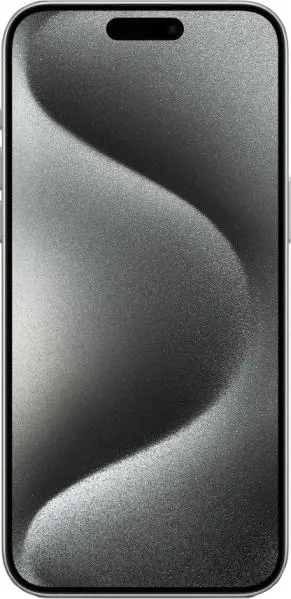
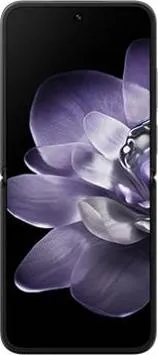
| Feature | Apple iPhone 15 Pro Max | Xiaomi Mix Flip | Practical Impact |
|---|---|---|---|
| Design | |||
| Dimensions | 159.9 x 76.7 x 8.3 mm | 167.5 x 74 x 7.6 mm | The Mix Flip is taller and narrower when unfolded, potentially less comfortable for one-handed use. When folded, the Mix Flip is significantly more compact. |
| Weight | 221g | 190g | The iPhone is noticeably heavier. |
| Foldable | No | Yes | The Mix Flip's foldable design offers portability and a unique form factor. |
| Build | Titanium Frame | Missing Information | Durability and premium feel may differ depending on Mix Flip's frame material. |
| Display | |||
| Size | 6.7" | 6.86" (unfolded) | The Mix Flip offers a slightly larger screen when unfolded. |
| Type | LTPO Super Retina XDR OLED | Foldable LTPO AMOLED | Both offer excellent color accuracy and power efficiency. The foldable nature of the Mix Flip's screen is the key differentiator. |
| Refresh Rate | 120Hz | 120Hz | Both provide smooth scrolling and animations. |
| Peak Brightness | 2000 nits (HBM) | 3000 nits (peak) | The Mix Flip boasts significantly higher peak brightness, improving outdoor visibility. |
| Resolution | 1290 x 2796 | 1224 x 2912 | Comparable pixel density due to differing aspect ratios. Visual clarity should be similar on both. |
| Performance | |||
| Chipset | Apple A17 Pro (3 nm) | Qualcomm Snapdragon 8 Gen 3 (4 nm) | Both are flagship chipsets offering top-tier performance. Real-world performance differences likely minimal for average users. Benchmarking required for precise comparison. |
| CPU | Hexa-core | Octa-core | Core count doesn't directly translate to performance. Architectural differences and software optimization play a larger role. |
| GPU | Apple GPU (6-core) | Adreno 750 | Gaming performance likely comparable, though specific benchmarks are needed for accurate assessment. |
| RAM | 8GB | 12GB | The Mix Flip has more RAM, potentially benefiting multitasking and demanding applications. |
| Storage | 512GB/1TB | 512GB | Comparable storage options. |
| Battery | |||
| Capacity | 4441 mAh | 4780 mAh | The Mix Flip has a larger battery, but real-world battery life depends on usage and software optimization. |
| Camera | |||
| Video Capabilities | Up to 4K@60fps, 1080p@240fps | Up to 8K@24fps, 1080p@960fps, 720p@1920fps | The Mix Flip offers higher resolution video recording (8K) and higher frame rate slow-motion. Missing details about specific camera sensors and lens configurations prevent further analysis. |
| Software | |||
| OS | iOS 17 | Android 14 | Significant difference in operating systems impacting user interface, app ecosystem, and customization options. Personal preference is a major factor. |
2. Key Differences Analysis
iPhone 15 Pro Max Advantages:
- Established Ecosystem: iOS known for its simplicity, security, and app optimization.
- Likely Superior Chipset Optimization: Apple's tight integration of hardware and software often results in better performance per watt.
- Potentially Better Long-Term Software Support: Apple typically provides longer software updates than Android manufacturers.
Xiaomi Mix Flip Advantages:
- Foldable Design: Offers unique portability and a larger screen when needed.
- Higher Peak Brightness: Significantly better outdoor visibility.
- Larger Battery: Potential for longer battery life.
- Higher Resolution and Frame Rate Video Recording: More versatile video capabilities.
- More RAM: Potentially better multitasking performance.
Trade-offs:
- Foldable Display Durability: Foldable screens are generally more susceptible to damage than traditional displays.
- Software Experience: Android's open nature allows for customization but can lead to fragmentation and inconsistencies.
3. User Profiles & Recommendations
iPhone 15 Pro Max: Users prioritizing ease of use, a seamless ecosystem, consistent performance, and long-term software updates. Ideal for those already invested in the Apple ecosystem.
Xiaomi Mix Flip: Users valuing innovation, portability, a large screen for media consumption, and advanced video recording capabilities. Suitable for those who want the latest technology and a unique form factor.
4. Decision Framework
Key Questions:
- How important is portability and a large screen? A foldable phone prioritizes these aspects.
- Do you prefer a simple, secure, and consistent software experience or a customizable one? iOS and Android offer distinct approaches.
- What is your budget and how much value do you place on innovative features like a foldable screen? The Mix Flip likely comes at a premium due to its foldable technology.
My Choice: iPhone 15 Pro Max
While the Xiaomi Mix Flip offers intriguing features like its foldable design and impressive video capabilities, I would choose the iPhone 15 Pro Max. My decision is primarily driven by the consistent performance and reliability of the Apple ecosystem, the expected longer software support, and the mature app ecosystem. The A17 Pro chip's expected performance advantage, combined with Apple's tight hardware-software integration, likely results in a smoother and more efficient user experience. While the Mix Flip's larger battery and brighter display are appealing, concerns about long-term durability of the foldable screen and potential software inconsistencies in the Android ecosystem outweigh those benefits for me personally. Ultimately, this decision is influenced by my personal preference for the Apple ecosystem and its focus on long-term usability and support.
