1. Specifications Comparison
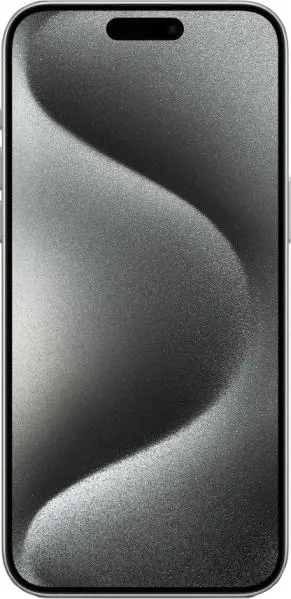
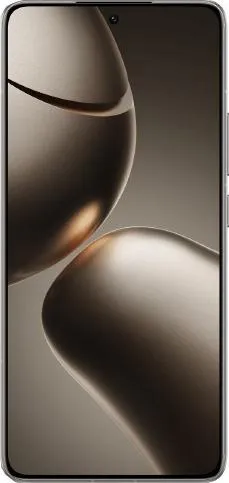
| Feature | Apple iPhone 15 Pro Max | Xiaomi 14T Pro | Practical Impact |
|---|---|---|---|
| Design | |||
| Dimensions | 159.9 x 76.7 x 8.3 mm | 160.4 x 75.1 x 8.4 mm | Virtually identical in size; negligible real-world difference. |
| Weight | 221g | 209g | iPhone is noticeably heavier, potentially impacting one-handed use. |
| Build Materials | Not specified | Not specified | Cannot compare build quality and durability without material information. |
| Display | |||
| Size | 6.7" | 6.67" | Negligible difference in screen real estate. |
| Type | LTPO Super Retina XDR OLED | AMOLED | Both offer excellent color accuracy and contrast. LTPO allows for dynamic refresh rate adjustment, potentially saving battery on the iPhone. |
| Refresh Rate | 120Hz | 144Hz | Xiaomi offers smoother scrolling and animations, especially noticeable in gaming. |
| Peak Brightness | 2000 nits (HBM) | 4000 nits (peak) | Xiaomi offers significantly higher peak brightness, improving outdoor visibility. |
| Resolution | 1290 x 2796 | 1220 x 2712 | Similar pixel density (~460 vs ~446 ppi). Sharpness is comparable on both devices. |
| Performance | |||
| Chipset | Apple A17 Pro (3nm) | Mediatek Dimensity 9300+ (4nm) | Both are flagship chipsets promising top-tier performance. A17 Pro's smaller process node might lead to better efficiency. Real-world performance comparisons are needed. |
| CPU | Hexa-core (2x3.78 GHz + 4x2.11 GHz) | Octa-core (1x3.4 GHz Cortex-X4 & 3x2.85 GHz Cortex-X4 & 4x2.0 GHz Cortex-A720) | Core configurations differ. Performance depends on optimization and real-world testing. |
| GPU | Apple GPU (6-core) | Immortalis-G720 MC12 | GPU performance needs real-world benchmarks for accurate comparison. |
| RAM | 8GB | 12GB | Xiaomi offers more RAM, potentially benefiting multitasking and demanding applications. |
| Camera | |||
| Video Capabilities | Up to 4K@60fps, 1080p@240fps | Up to 8K@30fps, 1080p@960fps | Xiaomi offers higher resolution (8K) and higher frame rate slow-motion (960fps) video recording capabilities. |
| Specific Sensor Details | Missing | Missing | Cannot compare image quality, low-light performance, and other camera features without detailed sensor specifications. |
| Battery | |||
| Capacity | 4441 mAh | 5000 mAh | Xiaomi has a significantly larger battery, potentially leading to longer battery life. |
2. Key Differences Analysis
iPhone 15 Pro Max Advantages:
- Potentially better power efficiency: The A17 Pro's 3nm process node suggests better power management.
- LTPO Display: Dynamic refresh rate adjustment can conserve battery.
- iOS Ecosystem: Strong integration with other Apple devices and services.
Xiaomi 14T Pro Advantages:
- Higher Refresh Rate Display: Smoother visual experience.
- Brighter Display: Better outdoor visibility.
- Larger Battery: Potentially longer battery life.
- Higher Resolution and Frame Rate Video Recording: More cinematic video options.
- More RAM: Improved multitasking and performance with demanding applications.
- Lower Price: Significantly more affordable.
3. User Profiles & Recommendations
iPhone 15 Pro Max: Users prioritizing seamless integration within the Apple ecosystem, potential for longer battery life despite smaller capacity, and who value a premium, well-optimized experience.
Xiaomi 14T Pro: Users prioritizing performance, a high refresh rate and bright display for media consumption and gaming, longer battery life, advanced video recording features, and value for money. Power users and multimedia enthusiasts might prefer the 14T Pro.
4. Decision Framework
Key Questions:
- What is your budget? The price difference is significant.
- What ecosystem are you invested in? Consider existing devices and services.
- What are your primary use cases? Gaming, media consumption, productivity, etc.
My Choice: Xiaomi 14T Pro
Reasoning:
While the iPhone 15 Pro Max offers a polished experience within the Apple ecosystem, the Xiaomi 14T Pro provides a compelling combination of performance, features, and value. The significantly lower price, coupled with the 144Hz display, brighter screen, larger battery, higher RAM, and advanced video capabilities, makes it a more attractive option for me. I prioritize these practical benefits over the potential efficiency gains and ecosystem advantages of the iPhone. The lack of specific camera sensor details makes a definitive camera comparison impossible, but the raw video specs advantage the 14T Pro. Ultimately, the 14T Pro offers more tangible benefits for my usage, which leans towards multimedia consumption, productivity, and demanding applications.
