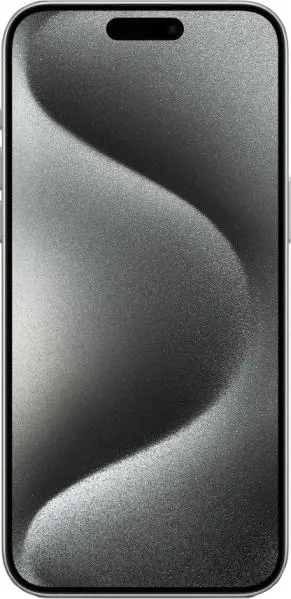
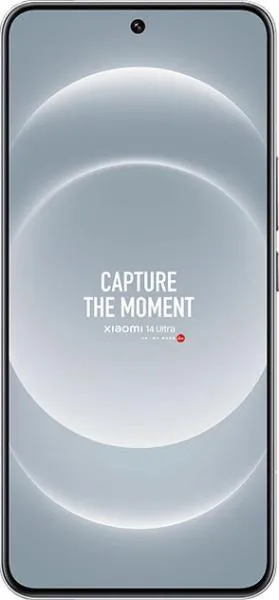
1. Specifications Comparison
| Feature | Apple iPhone 15 Pro Max | Xiaomi 14 Ultra | Practical Impact |
|---|---|---|---|
| Design | |||
| Dimensions | 159.9 x 76.7 x 8.3 mm | 161.4 x 75.3 x 9.2 mm | Xiaomi 14 Ultra is slightly larger and thicker. |
| Weight | 221g | 229.5g | Noticeable weight difference, Xiaomi 14 Ultra feels heavier in hand. |
| Build Materials | Not specified | Not specified | Cannot compare build quality and durability without material information. |
| Display | |||
| Size | 6.7" | 6.73" | Negligible size difference in real-world usage. |
| Type | LTPO Super Retina XDR OLED | LTPO AMOLED | Both offer excellent color accuracy and power efficiency. |
| Resolution | 1290 x 2796 | 1440 x 3200 | Xiaomi 14 Ultra has a slightly sharper display due to higher pixel density (522 vs 460 ppi). |
| Refresh Rate | 120Hz | 120Hz | Both offer smooth scrolling and animations. |
| Peak Brightness | 2000 nits (HBM) | 3000 nits (peak) | Xiaomi 14 Ultra offers significantly better visibility in direct sunlight. |
| Performance | |||
| Chipset | Apple A17 Pro (3 nm) | Snapdragon 8 Gen 3 (4 nm) | Both are top-tier chipsets, expecting comparable performance with potential advantages for Apple on AI tasks based on historical trends. |
| CPU | Hexa-core | Octa-core | Core count doesn't directly translate to performance; real-world usage will likely be similar. |
| GPU | Apple GPU (6-core) | Adreno 750 | Gaming performance should be excellent on both, but specific benchmarks are needed for detailed comparison. |
| RAM | 8GB | 16GB | Xiaomi 14 Ultra's larger RAM allows for more apps to run in the background without reloading, improving multitasking. |
| Camera | |||
| Video Capabilities | Up to 4K@60fps (HDR), 1080p@240fps | Up to 8K@30fps (HDR, EIS), 4K@120fps (HDR, EIS), 1080p@1920fps (HDR, EIS) | Xiaomi offers higher resolution and frame rate video recording options, including super slow-motion. Specific sensor and lens information is needed for comprehensive camera comparison. |
| Battery | |||
| Capacity | 4441 mAh | 5000 mAh | Xiaomi 14 Ultra likely offers longer battery life due to its larger capacity. Real-world usage varies depending on individual usage patterns. |
2. Key Differences Analysis
Xiaomi 14 Ultra Advantages:
- Brighter Display: Significantly brighter peak brightness ensures better outdoor visibility.
- Larger Battery: Potentially longer battery life.
- Higher Resolution Display: Slightly sharper visuals.
- More RAM: Improved multitasking capabilities.
- More Extensive Video Recording Options: Higher resolution and frame rates for video recording.
- Lower Price: Offers better value for money in its price segment.
iPhone 15 Pro Max Advantages:
- Potentially Superior Performance on AI Tasks: Apple's historical focus on AI optimization within its chipsets might result in better performance in AI-related tasks.
Trade-offs:
- Price: iPhone 15 Pro Max sits in a higher price bracket.
3. User Profiles & Recommendations
iPhone 15 Pro Max: Users prioritizing a seamless iOS experience, potential AI performance benefits, and who are willing to pay a premium. Ideal for users heavily invested in the Apple ecosystem.
Xiaomi 14 Ultra: Users prioritizing display brightness, battery life, video recording capabilities, and value for money. Excellent choice for power users, content creators, and mobile photographers seeking high-end features without the premium price tag.
4. Decision Framework
Key Questions for Buyers:
- What is your budget? The iPhone 15 Pro Max is significantly more expensive.
- What operating system do you prefer? iOS vs. Android.
- What are your primary use cases? (e.g., photography, video recording, gaming, general use).
My Choice: Xiaomi 14 Ultra
Reasoning: The Xiaomi 14 Ultra offers a compelling combination of top-tier specifications, including a brighter display, larger battery, more RAM, and advanced video recording features, at a significantly lower price point than the iPhone 15 Pro Max. While Apple's A17 Pro might offer advantages in specific areas like AI processing, the overall value proposition of the Xiaomi 14 Ultra, combined with its impressive feature set, makes it a more appealing choice for me. The significantly brighter display is crucial for outdoor usage, and the larger battery capacity provides peace of mind regarding battery life. As someone who values practicality and performance per dollar, the Xiaomi 14 Ultra is the clear winner. While I acknowledge the strengths of the iOS ecosystem and Apple's silicon, the price difference is substantial enough to justify choosing the Xiaomi 14 Ultra.
