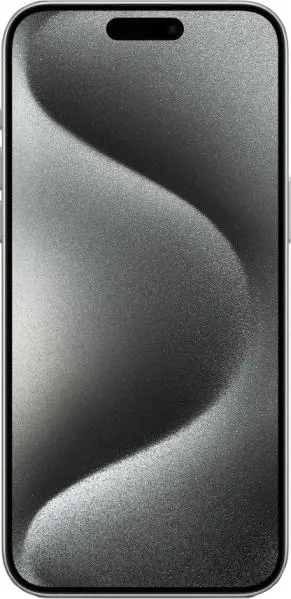
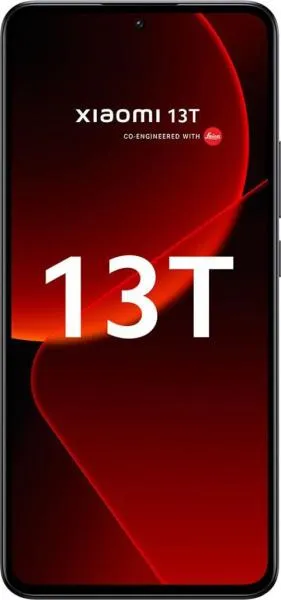
1. Specifications Comparison
| Feature | Apple iPhone 15 Pro Max | Xiaomi 13T | Practical Impact |
|---|---|---|---|
| Design | |||
| Dimensions | 159.9 x 76.7 x 8.3 mm | 162.2 x 75.7 x 8.5 mm | The iPhone 15 Pro Max is slightly smaller and thinner. |
| Weight | 221g | 193g | The Xiaomi 13T is noticeably lighter, reducing hand fatigue during extended use. |
| Build Materials | Information Missing | Information Missing | Build materials impact durability and premium feel; this information is needed for a complete comparison. |
| Display | |||
| Display Type | LTPO Super Retina XDR OLED | AMOLED | Both are high-quality display technologies, but LTPO allows for more granular refresh rate control, potentially saving battery. |
| Display Size | 6.7" | 6.67" | Negligible size difference. |
| Resolution | 1290 x 2796 | 1220 x 2712 | The iPhone has a slightly higher pixel density (460 ppi vs 446 ppi), resulting in marginally sharper text and images. The difference is unlikely to be noticeable in everyday use. |
| Refresh Rate | 120Hz | 144Hz | The Xiaomi 13T offers a higher refresh rate, leading to smoother animations and scrolling. However, the iPhone's LTPO technology can dynamically adjust its refresh rate down to 1Hz for better battery life. |
| Peak Brightness | 2000 nits (HBM) | 2600 nits (peak) | The Xiaomi 13T boasts significantly higher peak brightness, ensuring better visibility in direct sunlight. |
| Performance | |||
| Chipset | Apple A17 Pro (3 nm) | Mediatek Dimensity 8200 Ultra (4 nm) | Apple's A17 Pro is generally considered a top-performing mobile chip, likely offering superior processing power and graphics performance compared to the Dimensity 8200 Ultra. Real-world benchmarks are needed for a definitive comparison. |
| CPU | Hexa-core (2x3.78 GHz + 4x2.11 GHz) | Octa-core (1x3.1 GHz Cortex-A78 & 3x3.0 GHz Cortex-A78 & 4x2.0 GHz Cortex-A55) | Core count and clock speed differences don't directly translate to real-world performance. The A17 Pro's architecture and optimization are crucial factors. |
| RAM | 8GB | 12GB | The Xiaomi 13T has more RAM, potentially allowing for better multitasking and keeping more apps open in the background. |
| Storage | 512GB/1TB | 256GB | The iPhone offers larger storage options. |
| Battery | |||
| Capacity | 4441 mAh | 5000 mAh | The Xiaomi 13T has a larger battery capacity, suggesting potentially longer battery life. However, real-world usage depends on optimization and other factors. |
| Camera | |||
| Video Capabilities | Up to 4K@60fps (HDR), 1080p@240fps (HDR) | Up to 4K@30fps (HDR, EIS), 1080p@120fps (HDR, EIS) | The iPhone offers higher resolution and frame rate video recording options. The Xiaomi offers Electronic Image Stabilization (EIS) at more resolutions. Detailed camera sensor specifications are missing for a thorough comparison. |
2. Key Differences Analysis
iPhone 15 Pro Max Advantages:
- Likely superior processing power: The A17 Pro chip generally outperforms the Dimensity 8200 Ultra in benchmarks.
- Higher resolution and frame rate video recording: Offers more professional video recording capabilities.
- Potentially longer software support: Apple is known for providing long-term software updates.
- More storage options: Offers configurations with up to 1TB of storage.
Xiaomi 13T Advantages:
- Higher refresh rate display: Smoother scrolling and animations.
- Higher peak brightness: Better visibility in sunlight.
- Larger battery capacity: Potentially longer battery life.
- More RAM: Improved multitasking performance.
- Lower price: Significant cost savings compared to the iPhone.
3. User Profiles & Recommendations
iPhone 15 Pro Max: Users prioritizing performance, premium build quality (assuming based on Apple's history), long-term software updates, and the Apple ecosystem. Ideal for demanding tasks, professional video recording, and users who value seamless integration with other Apple devices.
Xiaomi 13T: Users looking for a high-performance phone with a smooth display, long battery life, and excellent value for money. Suitable for gaming, media consumption, and users who prioritize affordability without compromising on key features.
4. Decision Framework
Key Questions:
- What is your budget? The iPhone 15 Pro Max is significantly more expensive.
- What are your performance needs? While both phones are powerful, the iPhone likely edges out in raw processing power.
- What features are most important to you? Prioritize battery life, display quality, camera features, or software updates based on your needs.
My Choice: Xiaomi 13T
While the iPhone 15 Pro Max boasts raw power and premium features, the Xiaomi 13T offers incredible value for its price. The higher refresh rate and brighter display significantly enhance daily use, and the larger battery caters to my heavy usage patterns. The performance difference between the two chipsets, while likely present, isn't substantial enough to justify the significant price gap for my needs. I prioritize practical features and value, making the Xiaomi 13T the better choice for me. Additionally, 12GB RAM is a significant advantage for multitasking, which is crucial for my workflow. While I acknowledge the iPhone's strengths in areas like video recording and potential longevity of software updates, those are not my primary concerns. The Xiaomi's impressive feature set at a more accessible price point makes it the winner for me.
