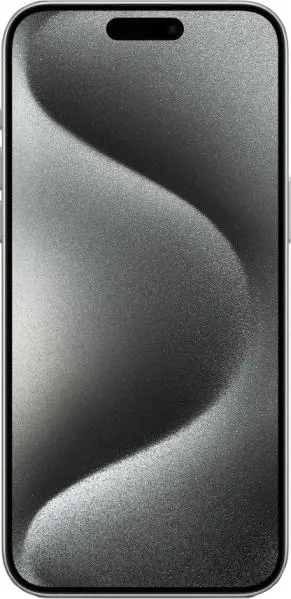
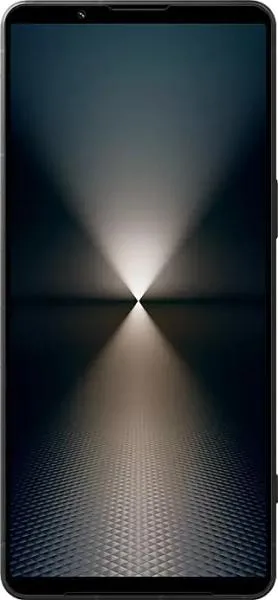
1. Specifications Comparison
| Feature | Apple iPhone 15 Pro Max | Sony Xperia 1 VI | Practical Impact |
|---|---|---|---|
| Design | |||
| Dimensions | 159.9x76.7x8.3mm | 162x74x8.2mm | iPhone is slightly shorter and wider; Xperia is thinner. Xperia might feel more comfortable in hand for some due to narrower width. |
| Weight | 221g | 192g | Xperia is significantly lighter, reducing hand fatigue during extended use. |
| Build | Titanium frame | (Missing information) | Durability and premium feel may vary depending on Xperia's frame material. |
| Display | |||
| Size | 6.7" | 6.5" | iPhone offers a slightly larger screen for more immersive content consumption. |
| Resolution | 1290x2796 | 1080x2340 | iPhone has a significantly sharper display (460 ppi vs 396 ppi), resulting in crisper text and images. |
| Type | LTPO Super Retina XDR OLED | LTPO OLED | Both offer high-quality OLED displays with adaptive refresh rates for smooth scrolling and power efficiency. iPhone's marketing terms suggest potential advantages in brightness and color accuracy, but real-world differences need further investigation. |
| Refresh Rate | 120Hz | 120Hz | Both offer smooth scrolling and animations. |
| Performance | |||
| Chipset | Apple A17 Pro (3 nm) | Qualcomm Snapdragon 8 Gen 3 (4 nm) | A17 Pro is generally considered more powerful based on benchmarks, potentially offering smoother performance in demanding tasks and gaming. Real-world differences might not be noticeable for average users. |
| RAM | 8GB | 12GB | Xperia's larger RAM could enable better multitasking and app retention in the background. |
| Storage | 512GB/1TB | 512GB | Similar high storage options for both. |
| Camera | |||
| Video Capabilities | Up to 4K@60fps (HDR), 1080p@240fps (HDR) | Up to 4K@120fps (HDR, OIS, EIS), 1080p@120fps (HDR, OIS, EIS) | Xperia offers higher frame rate video recording in 4K for smoother slow-motion footage, and benefits from optical and electronic image stabilization across more video modes. Detailed camera sensor specifications are needed for a complete comparison. |
| Battery | |||
| Capacity | 4441 mAh | 5000 mAh | Xperia's larger battery capacity suggests longer battery life. Real-world battery performance depends on optimization and usage patterns. |
2. Key Differences Analysis
iPhone 15 Pro Max Advantages:
- More Powerful Chipset: The A17 Pro generally offers superior performance.
- Sharper Display: Higher resolution and pixel density result in a crisper viewing experience.
- Potentially Better Display Quality: Marketing terms suggest brighter display and better color accuracy, but this requires further investigation.
Sony Xperia 1 VI Advantages:
- Larger Battery: Potentially longer battery life.
- Larger RAM: Better multitasking and background app retention.
- Higher Frame Rate Video Recording: Smoother slow-motion capture.
- Lighter Weight: More comfortable for extended use.
- Lower Price: Offers strong value for its specifications.
3. User Profiles & Recommendations
iPhone 15 Pro Max: Users prioritizing performance, a sharp display, and a premium ecosystem. Ideal for demanding tasks, gaming, and content consumption.
Sony Xperia 1 VI: Users seeking a balance of performance, battery life, and camera features at a more competitive price. Suitable for power users, content creators, and those who value a lighter phone.
4. Decision Framework
Key Questions:
- What is your budget? The iPhone is significantly more expensive.
- What are your performance needs? While both are powerful, the iPhone edges out in raw processing power.
- What are your priorities in terms of battery life, camera features, and display quality? The Xperia excels in battery and specific video recording capabilities, while the iPhone likely leads in overall display sharpness. More detailed camera sensor information is needed for a complete comparison.
My Choice
I would choose the Sony Xperia 1 VI. While the iPhone 15 Pro Max boasts a slightly more powerful processor and sharper display, the Xperia 1 VI offers a compelling combination of features at a significantly lower price. The larger battery, expanded RAM, superior slow-motion video capabilities, and lighter weight are significant advantages for my personal use. I prioritize comfortable all-day use, strong battery life, and value for money, making the Xperia the better fit for my needs. The slightly lower resolution screen is an acceptable trade-off for me considering the other benefits. I would, however, heavily research real-world camera performance and comparisons before making a final decision.
