1. Specifications Comparison
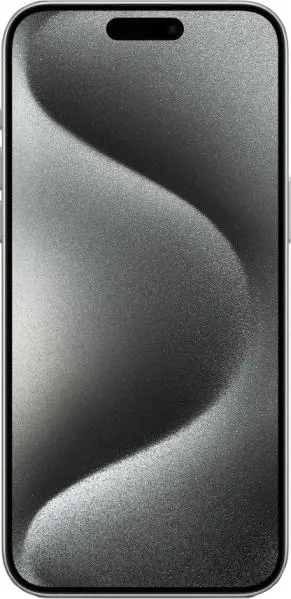
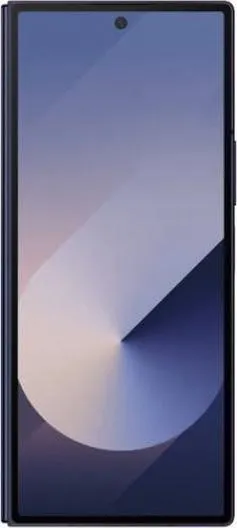
| Feature | Apple iPhone 15 Pro Max | Samsung Galaxy Z Fold6 | Practical Impact |
|---|---|---|---|
| Design | |||
| Dimensions | 159.9 x 76.7 x 8.3 mm | 153.5 x 132.6 x 5.6 mm (folded) | iPhone 15 Pro Max is larger but thinner than the folded Z Fold6. Z Fold6 offers a significantly larger screen when unfolded but is thicker and potentially less pocketable when folded. |
| Weight | 221g | 239g | Z Fold6 is noticeably heavier, potentially impacting one-handed use. |
| Foldable | No | Yes | Z Fold6's foldable design offers a unique, larger screen experience but introduces potential durability concerns and added bulk. |
| Display | |||
| Size | 6.7" | 7.6" (main), ~6.2" (cover) | Z Fold6 provides a tablet-like experience when unfolded. Its cover screen allows for quick interactions without unfolding. |
| Type | LTPO Super Retina XDR OLED | Foldable Dynamic LTPO AMOLED 2X | Both offer high-quality displays with excellent color accuracy and refresh rates. The foldable nature of the Z Fold6's screen may introduce a crease. |
| Resolution | 1290 x 2796 | 1856 x 2160 (main), | Z Fold6's main display offers a higher resolution, beneficial for multitasking and media consumption when unfolded. The iPhone has a higher pixel density leading to sharper images. |
| Refresh Rate | 120Hz | 120Hz | Both offer smooth scrolling and animations. |
| Peak Brightness | 2000 nits (HBM) | 2600 nits | Z Fold6 boasts higher peak brightness, improving outdoor visibility. |
| Performance | |||
| Chipset | Apple A17 Pro (3 nm) | Qualcomm Snapdragon 8 Gen 3 (4 nm) | Both are flagship chipsets offering top-tier performance. Real-world differences might be subtle for average users, but benchmarks would be needed for detailed comparison. |
| CPU | Hexa-core | Octa-core | While core count differs, architectural differences make a direct comparison challenging without benchmarks. Both CPUs should handle demanding tasks with ease. |
| GPU | Apple GPU (6-core) | Adreno 750 | Similar to CPU, direct GPU comparison requires benchmarks. Both offer high-end graphics performance suitable for gaming and demanding applications. |
| RAM | 8GB | 12GB | Z Fold6's larger RAM allows for more apps to run in the background without reloading, improving multitasking. |
| Battery | |||
| Capacity | 4441 mAh | 4400 mAh | Battery capacities are very similar. Real-world battery life depends on usage patterns and software optimization. The larger display of the Z Fold6 may consume more power. |
| Other | |||
| OS | iOS 17 | Android 14 | Different operating systems cater to different user preferences and ecosystems. |
| Storage | 512GB/1TB | 512GB/1TB | Both offer ample storage options. |
| Price Range | High | High | Both are premium priced devices. |
2. Key Differences Analysis
iPhone 15 Pro Max Advantages:
- Potentially better single-handed usability: Lighter and smaller form factor compared to the folded Z Fold6.
- Likely longer battery life per charge: While battery capacity is similar, the smaller, non-folding display might consume less power.
- iOS ecosystem: Seamless integration with other Apple devices and services.
Samsung Galaxy Z Fold6 Advantages:
- Larger, foldable display: Offers a unique tablet-like experience and enhanced multitasking capabilities.
- More RAM: Enables superior multitasking performance.
- Higher peak brightness: Improves outdoor visibility.
3. User Profiles & Recommendations
iPhone 15 Pro Max: Users who prioritize a refined, one-handed experience within the Apple ecosystem. Ideal for users who value simplicity, performance, and a traditional smartphone form factor.
Samsung Galaxy Z Fold6: Users who value a large screen experience and cutting-edge technology. Ideal for power users, multitaskers, and content creators who benefit from a tablet-like interface on the go.
4. Decision Framework
Key Questions:
- Form Factor Preference: Do you prioritize a traditional smartphone experience or a foldable device with a larger screen?
- Ecosystem Preference: Are you invested in the Apple or Android ecosystem?
- Multitasking Needs: How important is extensive multitasking and the ability to run multiple apps simultaneously?
My Choice
I would choose the iPhone 15 Pro Max. While the Z Fold6's foldable screen is intriguing, I prioritize a seamless, one-handed user experience and a robust app ecosystem. The iPhone's likely superior battery life per charge and more pocketable design align better with my personal needs. The performance differences between the two devices are likely negligible for my average daily usage, and iOS offers a tighter integration with other Apple devices that I own. Although I acknowledge the innovative aspects of the Z Fold6, the traditional form factor and user experience of the iPhone 15 Pro Max are more appealing to me. The potential durability concerns of a folding screen also contribute to my decision.
