1. Specifications Comparison
| Feature | Apple iPhone 15 Pro Max | Samsung Galaxy Tab S9 FE+ | Practical Impact |
|---|---|---|---|
| Design | |||
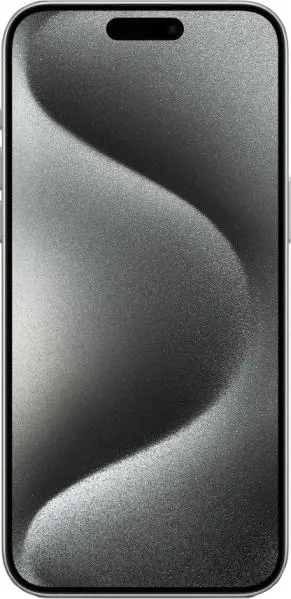
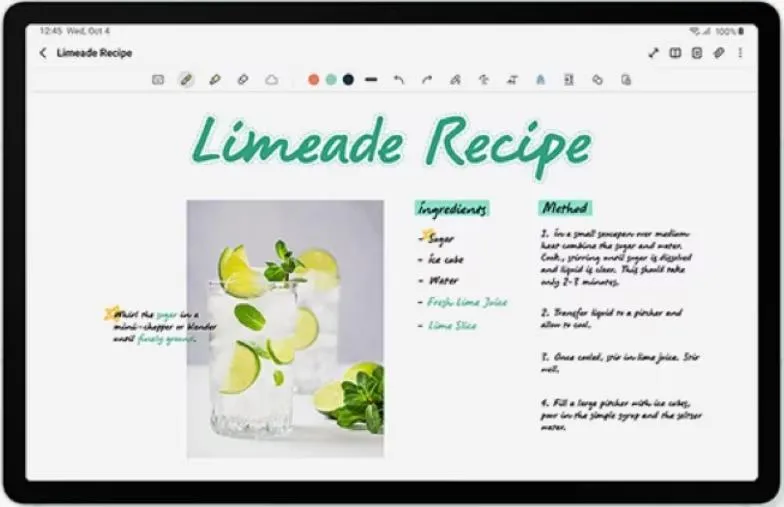
| Dimensions | 159.9 x 76.7 x 8.3 mm | 285.4 x 185.4 x 6.5 mm | iPhone is a pocketable smartphone; Tab S9 FE+ is a large tablet for two-handed use. |
| Weight | 221g | 627g | Significant weight difference; iPhone is much more portable for everyday carry. |
| Build | Titanium frame | Aluminum frame | Titanium offers better durability and scratch resistance compared to aluminum. |
| Display | |||
| Size | 6.7" | 12.4" | Much larger screen real estate on the tablet, better for media consumption and multitasking. |
| Type | LTPO Super Retina XDR OLED | IPS LCD | iPhone's OLED offers superior contrast, deeper blacks, and HDR support, resulting in a more vibrant visual experience. |
| Refresh Rate | 120Hz | 90Hz | Smoother animations and scrolling on the iPhone. |
| Resolution | 1290 x 2796 | 1600 x 2560 | Comparable sharpness despite size difference due to iPhone's higher pixel density (460 vs 243 ppi). |
| Performance | |||
| Chipset | Apple A17 Pro (3 nm) | Exynos 1380 (5 nm) | A17 Pro expected to deliver significantly faster performance in demanding tasks and gaming. |
| CPU | Hexa-core | Octa-core | Core count doesn't directly translate to performance; A17 Pro's architecture and manufacturing process likely provide a significant advantage. |
| GPU | Apple GPU (6-core) | Mali-G68 MP5 | Apple's custom GPU generally offers superior graphics performance, especially for gaming. |
| RAM | 8GB | 12GB | More RAM on the Tab S9 FE+ can aid in multitasking, keeping more apps open in the background. However, iOS's memory management often requires less RAM for smooth performance. |
| Storage | 512GB/1TB | 256GB | iPhone offers higher storage options. |
| Battery | |||
| Capacity | 4441 mAh | 10090 mAh | Significantly larger battery in the tablet due to its size, expected to provide much longer battery life. |
| Other | |||
| OS | iOS 17 | Android 13 | Different operating systems cater to different user preferences and ecosystems. |
| NFC | Yes | No | iPhone supports contactless payments and data transfer via NFC. |
| Price | High | Medium | Significant price difference, reflecting the premium features and performance of the iPhone. |
2. Key Differences Analysis
iPhone 15 Pro Max Advantages:
- Superior Performance: The A17 Pro chip provides a significant performance advantage for demanding tasks and gaming.
- Premium Display: The OLED display offers significantly better image quality.
- Compact Form Factor: More pocketable and easier to carry for daily use.
- Stronger Build: Titanium frame provides better durability.
Samsung Galaxy Tab S9 FE+ Advantages:
- Larger Display: Better for media consumption, multitasking, and creative work.
- Longer Battery Life: Significantly larger battery capacity.
- Lower Price: More affordable option.
- More RAM: Potentially beneficial for heavy multitasking, though iOS requires less RAM in general.
3. User Profiles & Recommendations
iPhone 15 Pro Max: Ideal for users who prioritize performance, portability, a premium display, and a seamless user experience within the Apple ecosystem. Best for:
- Everyday smartphone use
- Mobile gaming
- Content creation on the go
- Users heavily invested in the Apple ecosystem
Samsung Galaxy Tab S9 FE+: Ideal for users who prioritize a large screen for media consumption, multitasking, note-taking, and casual gaming. Best for:
- Students
- Artists and designers
- Media consumption (movies, reading)
- Users who prefer a larger display for productivity
4. Decision Framework
Key Questions:
- What is your primary use case? (e.g., everyday phone, media consumption, productivity)
- What is your budget?
- Do you prefer a large screen or portability?
My Choice: Apple iPhone 15 Pro Max
While the Samsung Galaxy Tab S9 FE+ offers a compelling large-screen experience at a lower price, I would choose the Apple iPhone 15 Pro Max. My priorities are performance, portability, a premium display, and a smooth user experience. The A17 Pro chip, superior OLED display, and compact form factor of the iPhone better suit my needs. The higher price is justified for the significant performance and quality advantages. I value having a powerful device that easily fits in my pocket for everyday use and content creation on the go. While I acknowledge the benefits of the Tab S9 FE+'s larger display and battery, these are less important to me than the iPhone's strengths.
