1. Specifications Comparison
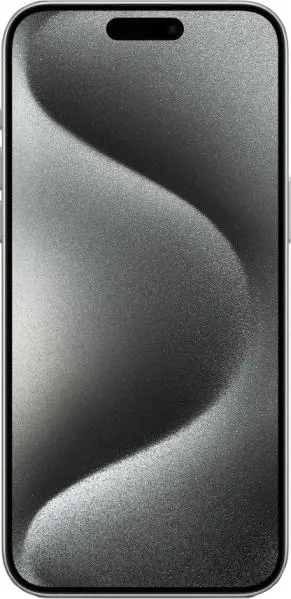
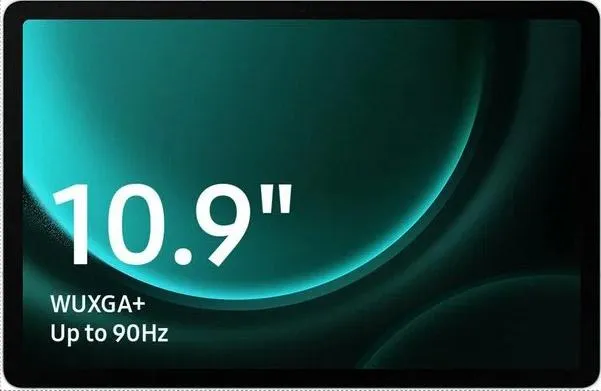
| Feature | Apple iPhone 15 Pro Max | Samsung Galaxy Tab S9 FE | Practical Impact |
|---|---|---|---|
| Design | |||
| Dimensions | 159.9 x 76.7 x 8.3 mm | 254.3 x 165.8 x 6.5 mm | iPhone is a pocketable smartphone; Tab S9 FE is a larger tablet, less portable. |
| Weight | 221g | 523g | Significant weight difference; iPhone is much easier to hold and carry for extended periods. |
| Build | Titanium frame | Aluminum frame | Titanium offers better durability and scratch resistance compared to aluminum. |
| Display | |||
| Size | 6.7" | 10.9" | Larger screen of the Tab S9 FE provides more immersive experience for media consumption and multitasking but less portability. |
| Type | LTPO Super Retina XDR OLED | IPS LCD | iPhone's OLED offers superior contrast, deeper blacks, and brighter highlights compared to the LCD on the Tab S9 FE. |
| Refresh Rate | 120Hz | 90Hz | iPhone's higher refresh rate results in smoother animations and scrolling. |
| Resolution | 1290 x 2796 | 1440 x 2304 | Despite lower resolution, the iPhone's smaller screen size results in a higher pixel density (460 ppi vs 249 ppi), leading to sharper images. |
| Performance | |||
| Chipset | Apple A17 Pro (3 nm) | Exynos 1380 (5 nm) | A17 Pro is expected to significantly outperform the Exynos 1380 in both CPU and GPU tasks, leading to faster app loading, smoother gaming, and better overall performance. |
| CPU | Hexa-core | Octa-core | Core count doesn't directly translate to performance; A17's architecture and manufacturing process give it a significant advantage. |
| GPU | Apple GPU (6-core) | Mali-G68 MP5 | Apple's custom GPU generally offers better gaming and graphics performance compared to the Mali-G68. |
| RAM | 8GB | 8GB | RAM is comparable, but the A17 Pro's superior memory management likely results in better real-world performance. |
| Storage | 512GB/1TB | 256GB | iPhone offers larger storage options. |
| Battery | |||
| Capacity | 4441 mAh | 8000 mAh | Tab S9 FE has a much larger battery, expected to provide significantly longer battery life, crucial for a tablet. |
| Other | |||
| OS | iOS 17 | Android 13 | Different operating systems cater to different user preferences and ecosystems. |
| Price | High | Medium | Significant price difference reflects the premium features and performance of the iPhone. |
2. Key Differences Analysis
iPhone 15 Pro Max Advantages:
- Superior Performance: The A17 Pro chip offers a significant performance advantage for demanding tasks and gaming.
- Higher Quality Display: OLED with 120Hz refresh rate provides a smoother and visually richer experience.
- Premium Build: Titanium frame offers better durability.
- Advanced Camera System: While not detailed in the provided specs, Pro Max iPhones are known for their excellent camera capabilities.
Samsung Galaxy Tab S9 FE Advantages:
- Larger Display: Better for media consumption, multitasking, and creative work.
- Longer Battery Life: Significantly larger battery capacity.
- Lower Price: More affordable option.
3. User Profiles & Recommendations
iPhone 15 Pro Max: Users who prioritize performance, portability, a premium experience, and are willing to pay a premium price. Ideal for power users, content creators who need a powerful mobile device, and those who value a polished user experience.
Samsung Galaxy Tab S9 FE: Users who prioritize a large screen for media consumption, note-taking, drawing, and general productivity tasks. Suitable for students, casual users, and those on a budget who need a large-screen device.
4. Decision Framework
Key Questions:
- What is your budget? The iPhone is significantly more expensive.
- What screen size do you prefer? A large tablet vs. a pocketable phone.
- What is your primary use case? Demanding tasks/gaming vs. media consumption/productivity.
My Choice: Apple iPhone 15 Pro Max
While the Samsung Galaxy Tab S9 FE offers a compelling large-screen experience and longer battery life at a lower price, I would choose the Apple iPhone 15 Pro Max. My priorities are performance, portability, a premium user experience, and a high-quality display. The A17 Pro chip's significant performance advantage, the superior OLED display with 120Hz, and the premium build quality are decisive factors for me. I am willing to pay the premium for these features. While I acknowledge the Tab S9 FE's strengths in battery life and screen size, they don't outweigh the iPhone's advantages for my personal needs and usage patterns, which lean towards demanding tasks, content creation on the go, and a seamless mobile experience. The iPhone's compact form factor is also more appealing to me than a larger tablet.
