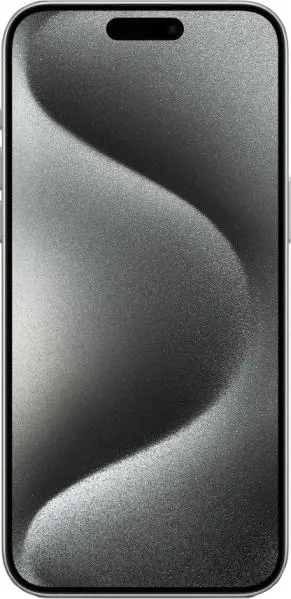

1. Specifications Comparison
| Feature | Apple iPhone 15 Pro Max | Samsung Galaxy M35 | Practical Impact |
|---|---|---|---|
| Design | |||
| Dimensions | 159.9 x 76.7 x 8.3 mm | 162.3 x 78.6 x 9.1 mm | iPhone 15 Pro Max is slightly smaller and thinner. Noticeably more pocketable. |
| Weight | 221g | 222g | Virtually identical weight, negligible difference in hand. |
| Build Materials | Not specified | Not specified | Cannot compare build quality and durability. |
| Display | |||
| Size | 6.7" | 6.6" | Negligible difference in screen real estate. |
| Type | LTPO Super Retina XDR OLED | Super AMOLED | Both offer vibrant colors and deep blacks. iPhone's LTPO allows for dynamic refresh rate adjustment, saving battery. |
| Resolution | 1290 x 2796 | 1080 x 2340 | iPhone has a significantly sharper display (460 ppi vs 390 ppi), resulting in crisper text and images. |
| Refresh Rate | 120Hz | 120Hz | Both offer smooth scrolling and animations. |
| Peak Brightness | 2000 nits (HBM) | 1000 nits (HBM) | iPhone's display will be significantly brighter in direct sunlight. |
| Performance | |||
| Chipset | Apple A17 Pro (3 nm) | Exynos 1380 (5 nm) | A17 Pro is expected to significantly outperform the Exynos 1380 in speed and efficiency due to its more advanced manufacturing process and architecture. |
| CPU | Hexa-core (2x3.78 GHz + 4x2.11 GHz) | Octa-core (4x2.4 GHz Cortex-A78 & 4x2.0 GHz Cortex-A55) | Core count is not a direct indicator of performance. A17 Pro's architecture and higher clock speeds suggest superior performance. |
| GPU | Apple GPU (6-core graphics) | Mali-G68 MP5 | A17 Pro is expected to offer better graphics performance for demanding games and applications. |
| RAM | 8GB | 8GB | Same RAM capacity. Performance difference will depend more on chipset and software optimization. |
| Storage | 512GB/1TB | 256GB | iPhone offers larger storage options. |
| Camera | |||
| Specifications | Not fully specified for either phone | Not fully specified for either phone | Insufficient data to compare camera quality. Megapixel count and video capabilities alone are not indicative of overall performance. |
| Battery | |||
| Capacity | 4441 mAh | 6000 mAh | Galaxy M35 has a significantly larger battery capacity, potentially leading to longer battery life. However, real-world usage will depend on software optimization and individual usage patterns. |
2. Key Differences Analysis
iPhone 15 Pro Max Advantages:
- Significantly more powerful: The A17 Pro chip provides a substantial performance advantage for demanding tasks and gaming.
- Sharper and brighter display: Higher resolution and peak brightness deliver a superior visual experience.
- More storage options: Caters to users with high storage demands.
- Potentially better camera system: Historically, iPhones have excelled in camera performance, although detailed specs are missing for comparison.
Samsung Galaxy M35 Advantages:
- Larger battery capacity: Potentially longer battery life for extended usage.
- Lower price: Offers a more budget-friendly option.
3. User Profiles & Recommendations
iPhone 15 Pro Max: Ideal for users who prioritize performance, a premium display, ample storage, and potentially a superior camera system. Suitable for demanding tasks like gaming, video editing, and professional photography/videography.
Samsung Galaxy M35: Best suited for budget-conscious users who prioritize battery life and a large screen. Suitable for everyday tasks like browsing, social media, and media consumption.
4. Decision Framework
Key Questions for Buyers:
- What is your budget? The iPhone 15 Pro Max is significantly more expensive.
- What are your primary use cases? Demanding tasks vs. everyday usage.
- How important is battery life to you? The Galaxy M35's larger battery might be crucial for some.
Scenario-Based Recommendations:
- Heavy user: If budget isn't a constraint and you need top-tier performance, choose the iPhone 15 Pro Max.
- Casual user: If battery life and affordability are priorities, the Galaxy M35 offers good value.
My Choice:
I would choose the iPhone 15 Pro Max. While the Galaxy M35 offers a compelling price and battery life, I prioritize performance and a premium user experience. The A17 Pro chip, superior display, and historically excellent camera performance (though we lack specific details for comparison here) of iPhones are key factors for me. The higher price is justified by the significant advancements in technology and the overall quality of the device. While battery life is important, I am willing to compromise slightly in that area for the significant gains in other aspects. I also value the generally longer software support cycle offered by Apple.
