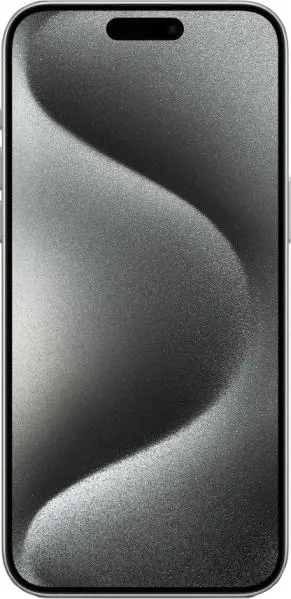
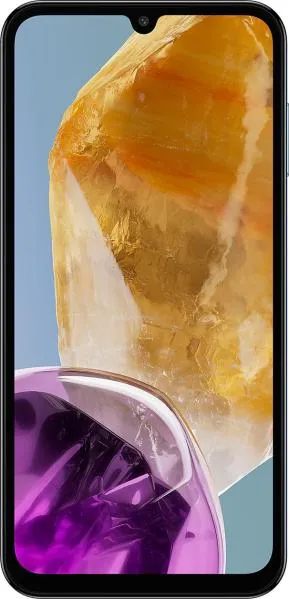
1. Specifications Comparison
| Feature | Apple iPhone 15 Pro Max | Samsung Galaxy M15 | Practical Impact |
|---|---|---|---|
| Design | |||
| Dimensions | 159.9 x 76.7 x 8.3 mm | 160.1 x 76.8 x 9.3 mm | iPhone 15 Pro Max is slightly smaller and noticeably thinner. |
| Weight | 221g | 217g | Negligible weight difference in practical use. |
| Build Materials | Information Missing | Information Missing | Material choice impacts durability and premium feel; information needed for comparison. |
| Display | |||
| Size | 6.7" | 6.5" | iPhone offers a slightly larger viewing area. |
| Type | LTPO Super Retina XDR OLED | Super AMOLED | Both are high-quality display technologies; iPhone's LTPO allows for dynamic refresh rate adjustment, saving battery. |
| Resolution | 1290 x 2796 | 1080 x 2340 | iPhone has a significantly sharper display (460 ppi vs 396 ppi), resulting in clearer text and images. |
| Refresh Rate | 120Hz | 90Hz | iPhone's 120Hz provides smoother scrolling and animations. |
| Brightness | 1000 nits (typ), 2000 nits (HBM) | 800 nits (HBM) | iPhone gets significantly brighter, improving outdoor visibility. |
| Performance | |||
| Chipset | Apple A17 Pro (3 nm) | Mediatek Dimensity 6100+ (6 nm) | A17 Pro is expected to significantly outperform the Dimensity 6100+ in speed and graphics processing. |
| CPU | Hexa-core (2x3.78 GHz + 4x2.11 GHz) | Octa-core (2x2.2 GHz Cortex-A76 & 6x2.0 GHz Cortex-A55) | A17 Pro's architecture and higher clock speeds indicate superior performance. |
| GPU | Apple GPU (6-core graphics) | Mali-G57 MC2 | Apple's custom GPU generally offers better gaming and graphics performance. |
| RAM | 8GB | 6GB | iPhone has more RAM, enabling better multitasking and app performance. |
| Storage | 512GB/1TB | 128GB | iPhone offers significantly more storage options. |
| Camera | |||
| Rear Camera | Information Missing | Information Missing | Detailed camera specs (sensor size, aperture, features) are crucial for comparison. |
| Video | Up to 4K@60fps (HDR), 1080p@240fps (HDR) | 1080p@30fps (EIS) | iPhone offers significantly higher resolution and frame rate video recording capabilities, along with HDR. |
| Battery | |||
| Capacity | 4441 mAh | 6000 mAh | Galaxy M15 has a larger battery capacity, potentially leading to longer battery life despite its less efficient display. Real-world usage will vary. |
2. Key Differences Analysis
iPhone 15 Pro Max Advantages:
- Superior Performance: The A17 Pro chip provides a significant performance advantage for demanding tasks and gaming.
- Higher Quality Display: Sharper, brighter, and smoother display with HDR and Dolby Vision support.
- More Storage Options: Caters to users with high storage demands.
- Advanced Video Capabilities: Offers professional-grade video recording options.
Samsung Galaxy M15 Advantages:
- Larger Battery Capacity: Potentially longer battery life for less demanding users.
- Lower Price: Significantly more affordable.
Trade-offs:
- Performance vs. Battery Life: iPhone prioritizes performance, potentially at the cost of battery life compared to the Galaxy M15.
- Price vs. Features: Galaxy M15 offers a lower price point but compromises on performance, display quality, and camera capabilities.
3. User Profiles & Recommendations
iPhone 15 Pro Max: Users who prioritize performance, a premium display, ample storage, and advanced camera features. Ideal for power users, content creators, and mobile gamers.
Samsung Galaxy M15: Budget-conscious users who prioritize battery life and basic smartphone functionality. Suitable for casual users, light multitasking, and those seeking an affordable option.
4. Decision Framework
Key Questions for Buyers:
- What is your budget? The iPhone 15 Pro Max is significantly more expensive.
- What are your performance needs? Demanding tasks and gaming benefit from the iPhone's superior processing power.
- How important is battery life? The Galaxy M15's larger battery might offer longer usage time.
My Choice: Apple iPhone 15 Pro Max
While the Samsung Galaxy M15 offers a compelling price point, the iPhone 15 Pro Max's significant advantages in performance, display quality, and overall user experience make it my preferred choice. I value a smooth and responsive device for productivity and entertainment, and the A17 Pro chip combined with the 120Hz display delivers this. The superior camera capabilities for both photos and videos (assuming they are as advanced as previous iPhone Pro models) further solidify my preference. Although the battery capacity is smaller, Apple's optimization often results in competitive real-world battery life. I am willing to invest in the higher price for the long-term benefits of a more powerful and feature-rich device.
