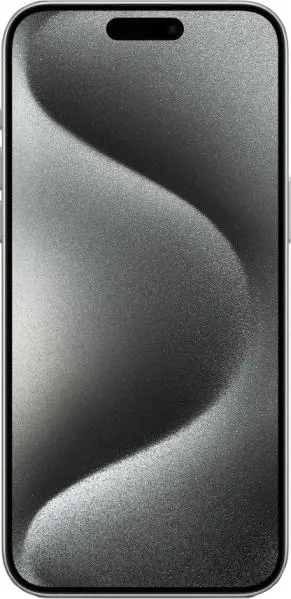
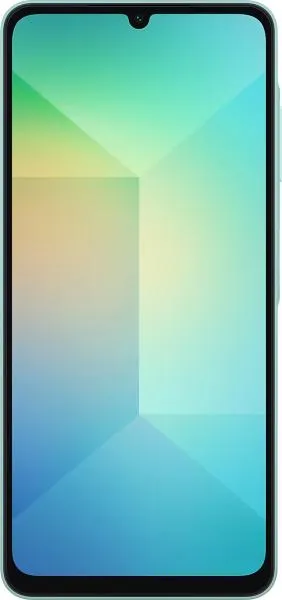
1. Specifications Comparison
| Feature | Apple iPhone 15 Pro Max | Samsung Galaxy A06 | Practical Impact |
|---|---|---|---|
| Design | |||
| Dimensions (mm) | 159.9 x 76.7 x 8.3 | 167.3 x 77.3 x 8.0 | iPhone 15 Pro Max is slightly smaller and thinner. |
| Weight (g) | 221 | 189 | Galaxy A06 is noticeably lighter. |
| Build Materials | Not specified | Not specified | Material differences impact durability and premium feel; information is missing. |
| Display | |||
| Display Type | LTPO Super Retina XDR OLED | PLS LCD | iPhone's OLED offers significantly better contrast, color accuracy, and viewing angles. |
| Display Size (inches) | 6.7 | 6.7 | Same screen size. |
| Resolution | 1290 x 2796 | 720 x 1600 | iPhone has a much sharper display with higher pixel density (460 vs 262 PPI). |
| Refresh Rate (Hz) | 120 | Not specified | iPhone's 120Hz offers smoother scrolling and animations. A higher refresh rate on the A06 would improve visual fluidity, but it's unknown. |
| Peak Brightness (nits) | 2000 (HBM) | Not specified | iPhone's higher peak brightness ensures better visibility in sunlight. Missing A06 data limits comparison. |
| Performance | |||
| Chipset | Apple A17 Pro (3 nm) | Mediatek Helio G85 (12 nm) | A17 Pro is significantly more powerful, enabling faster performance and smoother multitasking. |
| CPU | Hexa-core (2x3.78 GHz + 4x2.11 GHz) | Octa-core (2x2.0 GHz Cortex-A75 & 6x1.8 GHz Cortex-A55) | iPhone has a faster CPU architecture, resulting in significantly better performance. |
| GPU | Apple GPU (6-core graphics) | Mali-G52 MC2 | iPhone offers superior graphics performance for demanding games and applications. |
| RAM | 8GB | 6GB | iPhone's extra RAM helps with multitasking and app switching. |
| Storage | 512GB/1000GB | 128GB | iPhone offers significantly more storage. |
| Camera | |||
| Rear Camera | Not specified | Not specified | Camera specifications are crucial for comparison but are missing for both phones. |
| Front Camera | Not specified | Not specified | Missing front camera details hinder a comprehensive comparison. |
| Video Capabilities | Up to 4K@60fps (HDR), 1080p@240fps (HDR) | 1080p@30/60fps | iPhone offers higher resolution and frame rate video recording with HDR. |
| Battery | |||
| Capacity (mAh) | 4441 | 5000 | Galaxy A06 has a larger battery capacity, potentially offering longer battery life. |
2. Key Differences Analysis
iPhone 15 Pro Max Advantages:
- Significantly more powerful: The A17 Pro chip provides a substantial performance advantage for demanding tasks and gaming.
- Superior display: The OLED display with 120Hz refresh rate offers a dramatically better visual experience.
- More storage options: Caters to users with high storage needs.
Samsung Galaxy A06 Advantages:
- Larger battery: Potentially longer battery life.
- Lighter weight: More comfortable for extended use.
- Lower price: Significantly more affordable.
3. User Profiles & Recommendations
iPhone 15 Pro Max: Users who prioritize performance, a premium display, ample storage, and the latest technology. Ideal for demanding tasks, gaming, content creation, and a premium user experience.
Samsung Galaxy A06: Budget-conscious users who prioritize basic functionality, long battery life, and affordability. Suitable for everyday tasks like calling, texting, browsing, and light media consumption.
4. Decision Framework
Key Questions:
- What is your budget? The iPhone 15 Pro Max is a high-end phone, while the Galaxy A06 is budget-friendly.
- What are your primary phone usage patterns? Demanding tasks require the iPhone's power; basic usage suits the A06.
- Which features are most important to you? Prioritize performance, display, and camera quality or battery life and affordability.
My Choice: Apple iPhone 15 Pro Max
While the Samsung Galaxy A06 offers a larger battery and a lower price, the iPhone 15 Pro Max is my choice due to its significantly superior performance, stunning display, and ample storage. The A17 Pro chip ensures a smooth and future-proof experience, while the 120Hz OLED display provides a visually impressive user interface. Although the A06 might offer longer battery life, the overall user experience and quality of the iPhone 15 Pro Max make it the clear winner for me. I prioritize a fluid and responsive device with a high-quality display, and am willing to pay the premium for that experience. The lack of detailed camera specifications prevents a full assessment, but the general trend suggests the iPhone would likely outperform the A06 in this area as well.
