1. Specifications Comparison
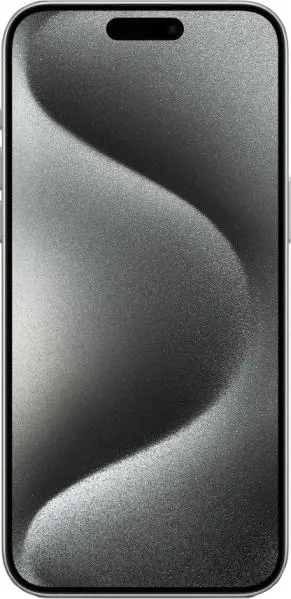
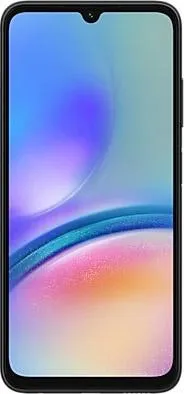
| Feature | Apple iPhone 15 Pro Max | Samsung Galaxy A05s | Practical Impact |
|---|---|---|---|
| Design | |||
| Dimensions (mm) | 159.9 x 76.7 x 8.3 | 168 x 77.8 x 8.8 | iPhone 15 Pro Max is smaller and thinner. |
| Weight (g) | 221 | 194 | Galaxy A05s is noticeably lighter. |
| Build Materials | (Information not provided) | (Information not provided) | Build quality and premium feel cannot be compared without material information. |
| Display | |||
| Display Type | LTPO Super Retina XDR OLED | PLS LCD | iPhone's OLED offers significantly better contrast, color accuracy, and viewing angles. |
| Resolution | 1290 x 2796 | 1080 x 2400 | iPhone has a sharper display with higher pixel density (460 ppi vs 393 ppi). |
| Refresh Rate (Hz) | 120 | 90 | iPhone provides smoother scrolling and animations. |
| Peak Brightness (nits) | 2000 (HBM) | (Information not provided) | iPhone's higher peak brightness ensures better visibility in direct sunlight. Missing A05s peak brightness limits comparison. |
| Performance | |||
| Chipset | Apple A17 Pro (3 nm) | Qualcomm Snapdragon 680 4G (6 nm) | A17 Pro offers significantly faster processing and graphics performance. |
| CPU | Hexa-core (2x3.78 GHz + 4x2.11 GHz) | Octa-core (4x2.4 GHz & 4x1.9 GHz) | Core count doesn't directly translate to performance; A17 Pro's architecture and higher clock speeds indicate superior performance. |
| GPU | Apple GPU (6-core) | Adreno 610 | iPhone will handle demanding games and graphics tasks much better. |
| RAM | 8GB | 4GB/6GB | More RAM in the iPhone allows for smoother multitasking and app switching. |
| Storage | 512GB/1TB | 128GB | iPhone offers significantly more storage. |
| Camera | |||
| Video Capabilities | Up to 4K@60fps (HDR), 1080p@240fps (HDR) | 1080p@60fps | iPhone offers higher resolution and frame rate video recording with HDR. Slow-motion capabilities are vastly superior on the iPhone. |
| Specific sensor details | Missing | Missing | Detailed camera sensor specifications are needed for in-depth comparison (e.g., sensor size, aperture). |
| Battery | |||
| Capacity (mAh) | 4441 | 5000 | Galaxy A05s has a larger battery capacity, but real-world battery life depends on optimization and usage. |
2. Key Differences Analysis
iPhone 15 Pro Max Advantages:
- Significantly higher performance: A17 Pro chip provides a massive leap in processing power and graphics capabilities.
- Superior display: OLED technology, higher resolution, refresh rate, and peak brightness deliver a premium visual experience.
- Advanced camera features: Higher resolution video recording capabilities, slow-motion recording, though detailed sensor specs are missing.
Samsung Galaxy A05s Advantages:
- Larger battery capacity: Potentially longer battery life, though real-world performance depends on factors beyond capacity.
- Lower price: Positioned in the medium price range, offering greater affordability.
- Lighter weight: Noticeably less heavy, potentially more comfortable for extended use.
3. User Profiles & Recommendations
iPhone 15 Pro Max: Users who prioritize performance, premium display, a top-tier camera experience, and are willing to pay a premium price. Ideal for demanding tasks like gaming, video editing, and content creation.
Samsung Galaxy A05s: Budget-conscious users who prioritize battery life and basic smartphone functionality. Suitable for everyday tasks like calling, texting, browsing, and social media.
4. Decision Framework
Key Questions:
- What is your budget? The iPhone 15 Pro Max is significantly more expensive.
- What are your primary smartphone uses? Demanding tasks benefit from the iPhone's performance; basic usage might not necessitate such power.
- How important are display quality and camera capabilities? The iPhone vastly outperforms the A05s in these areas.
My Choice: Apple iPhone 15 Pro Max
While the Samsung Galaxy A05s offers a larger battery and lower price, the iPhone 15 Pro Max's superior performance, stunning display, and advanced features (even with missing camera details, the video capabilities alone point to a significant difference) make it the clear winner for me. I prioritize a smooth, responsive user experience, a high-quality display for media consumption, and the ability to handle demanding tasks. I am willing to pay the premium for the significant jump in quality and performance. The A05s is a solid budget option, but it doesn't come close to the overall experience offered by the iPhone 15 Pro Max.
