1. Specifications Comparison
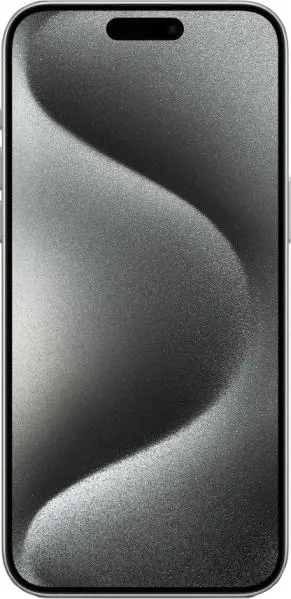
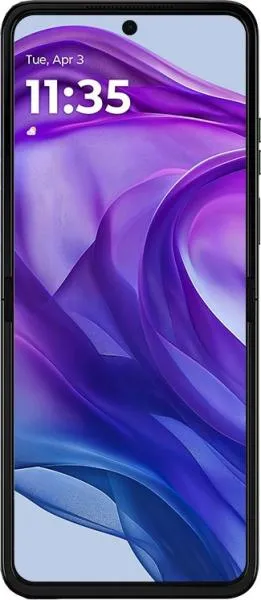
| Feature | Apple iPhone 15 Pro Max | Motorola Razr 50 Ultra | Practical Impact |
|---|---|---|---|
| Design | |||
| Dimensions | 159.9 x 76.7 x 8.3 mm | 171.4 x 74 x 7.1 mm | Razr 50 Ultra is taller and narrower when unfolded, significantly more compact when folded. iPhone offers a more traditional smartphone form factor. |
| Weight | 221g | 189g | Razr 50 Ultra is noticeably lighter. |
| Foldable | No | Yes | Razr's foldable design offers portability and a unique form factor, but introduces potential durability concerns. |
| Display | |||
| Size | 6.7" | 6.9" | Razr offers a slightly larger screen when unfolded. |
| Type | LTPO Super Retina XDR OLED | Foldable LTPO AMOLED | Both offer high-quality displays with vibrant colors and deep blacks. Razr's folding screen may have a crease. |
| Refresh Rate | 120Hz | 165Hz | Razr's higher refresh rate results in smoother animations and scrolling, especially noticeable in gaming and fast-paced content. |
| Peak Brightness | 2000 nits (HBM) | 3000 nits (peak) | Razr's higher peak brightness provides better visibility in direct sunlight. iPhone's typical brightness is not specified for comparison. |
| Resolution | 1290 x 2796 | 1080 x 2640 | iPhone has a sharper display due to higher pixel density (460 ppi vs 413 ppi). |
| Performance | |||
| Chipset | Apple A17 Pro (3 nm) | Snapdragon 8s Gen 3 | Both are flagship chipsets offering top-tier performance, but direct cross-platform comparisons are difficult. A17 Pro is newer. |
| CPU | Hexa-core | Octa-core | Core count doesn't directly translate to performance; both CPUs are powerful. |
| GPU | Apple GPU (6-core) | Adreno 735 | Both GPUs are high-end, but gaming performance likely favors the newer A17 Pro. |
| RAM | 8GB | 12GB | Razr's higher RAM may provide better multitasking performance. |
| Storage | 512GB/1000GB | 256GB | iPhone offers larger storage options. |
| Battery | |||
| Capacity | 4441 mAh | 4000 mAh | iPhone has a larger battery capacity, potentially leading to longer battery life. Real-world usage will vary. |
2. Key Differences Analysis
iPhone 15 Pro Max Advantages:
- Performance: Likely superior overall performance due to the newer A17 Pro chip.
- Display Sharpness: Higher pixel density results in a crisper image.
- Battery Life: Larger battery capacity suggests longer usage time.
- Storage Options: Offers larger storage tiers.
- Established OS Ecosystem: iOS is known for its stability and app optimization.
Motorola Razr 50 Ultra Advantages:
- Form Factor: Foldable design offers unique portability and a larger screen in a smaller package.
- Higher Refresh Rate: Smoother visuals and more responsive experience.
- Higher Peak Brightness: Better outdoor visibility.
- Price: Positioned in a lower price range, offering potentially better value.
3. User Profiles & Recommendations
iPhone 15 Pro Max: Users prioritizing performance, battery life, a robust app ecosystem, and a traditional smartphone experience. Ideal for power users, gamers, and content creators.
Motorola Razr 50 Ultra: Users valuing portability, a unique design, and a large screen for media consumption in a compact device. Ideal for users who prioritize portability and are willing to embrace a new form factor.
4. Decision Framework
Key Questions:
- Form Factor Preference: Do you prioritize a traditional smartphone experience or the portability of a foldable device?
- Performance Needs: Do you require the absolute best performance, or is a slightly older flagship chip sufficient?
- Budget: Is the higher price of the iPhone 15 Pro Max justified by its advantages?
Scenario-Based Recommendations:
- Power User/Gamer: iPhone 15 Pro Max for its superior performance and battery life.
- Frequent Traveler: Razr 50 Ultra for its compact size and large screen for entertainment on the go.
- Budget-Conscious User: Razr 50 Ultra offers flagship-level features at a lower price point.
My Choice: Apple iPhone 15 Pro Max
While the Razr 50 Ultra's foldable design is intriguing, I prioritize performance, battery life, and a refined software experience. The A17 Pro chip's potential performance advantage, coupled with the larger battery and sharper display, makes the iPhone 15 Pro Max a more compelling device for my needs. iOS's stability and app ecosystem are also significant factors in my decision. The higher price is justified for the long-term value and superior user experience I expect from the iPhone. The Razr's foldable screen technology, while cool, is still relatively new and I would prefer to wait for further maturation of the technology before investing.
