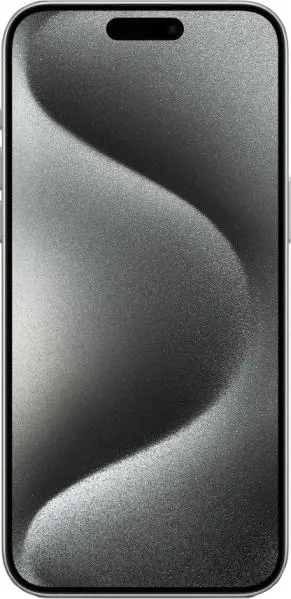

1. Specifications Comparison
| Feature | Apple iPhone 15 Pro Max | Motorola Moto G85 | Practical Impact | |
|---|---|---|---|---|
| Design | ||||
| Dimensions | 159.9 x 76.7 x 8.3 mm | 161.9 x 73.1 x 7.6 mm | iPhone 15 Pro Max is slightly shorter and wider, but thicker. Moto G85 feels slightly narrower in hand. | |
| Weight | 221g | 171g | iPhone 15 Pro Max is significantly heavier. Moto G85 offers a more lightweight feel. | |
| Build | Titanium frame | Plastic frame (assumed) | iPhone offers a more premium feel and potentially better durability. Material for Moto G85 is not specified. | |
| Display | ||||
| Size | 6.7" | 6.67" | Negligible size difference in real-world usage. | |
| Type | LTPO Super Retina XDR OLED | P-OLED | iPhone's display generally offers superior color accuracy, brightness, and power efficiency due to LTPO technology. | |
| Resolution | 1290 x 2796 | 1080 x 2400 | iPhone has a sharper display with higher pixel density (460 ppi vs 395 ppi), resulting in clearer text and images. | |
| Refresh Rate | 120Hz | 120Hz | Both offer smooth scrolling and animations. | |
| Peak Brightness | 2000 nits (HBM) | 1600 nits | iPhone can achieve significantly higher brightness for better outdoor visibility. | |
| Performance | ||||
| Chipset | Apple A17 Pro (3 nm) | Qualcomm Snapdragon 6s Gen 3 (6 nm) | A17 Pro offers significantly faster processing power and graphics performance compared to the Snapdragon 6s Gen 3, resulting in smoother multitasking, faster app loading, and better gaming capabilities. | |
| CPU | Hexa-core (2x3.78 GHz + 4x2.11 GHz) | Octa-core (2x2.3 GHz Cortex-A78 & 6x2.0 GHz Cortex-A55) | A17 Pro's core architecture and higher clock speeds provide a substantial performance advantage. | |
| GPU | Apple GPU (6-core) | Adreno 619 | iPhone's GPU significantly outperforms the Adreno 619, enabling smoother gaming and graphics-intensive tasks. | |
| RAM | 8GB | 12GB | While Moto G85 has more RAM, the superior efficiency of iOS and the A17 Pro chip likely negate this advantage in real-world performance. | |
| Storage | 512GB/1TB | 256GB | iPhone offers higher storage options. | |
| Battery | ||||
| Capacity | 4441 mAh | 5000 mAh | Moto G85 has a larger battery capacity, potentially offering longer battery life. However, real-world battery life depends on various factors, including software optimization and usage patterns. | |
| Camera | ||||
| Video Capabilities | Up to 4K@60fps (HDR), 1080p@240fps (HDR) | 1080p@30/60fps | iPhone offers superior video recording capabilities with higher resolution, frame rates, and HDR support. Specific camera sensor details are missing for comparison. |
2. Key Differences Analysis
iPhone 15 Pro Max Advantages:
- Significantly higher performance: The A17 Pro chip provides a massive leap in processing power and graphics capabilities.
- Superior display: Brighter, sharper, and more color-accurate.
- More advanced video recording: Higher resolution, frame rates, and HDR support.
- Premium build materials: Titanium frame offers a more premium feel and durability.
Moto G85 Advantages:
- Larger battery capacity: Potentially longer battery life.
- Lower price: Significantly more affordable.
- More RAM: Though potentially negated by iOS optimization.
3. User Profiles & Recommendations
iPhone 15 Pro Max: Users who prioritize performance, premium design, a top-tier display, and advanced camera features. Ideal for demanding tasks like gaming, video editing, and professional photography/videography.
Moto G85: Budget-conscious users who prioritize battery life and a large display. Suitable for everyday tasks like web browsing, social media, and casual photography.
4. Decision Framework
Key Questions:
- What is your budget? The iPhone 15 Pro Max is significantly more expensive.
- What are your primary smartphone usage patterns? Demanding tasks vs. casual usage.
- Which features are most important to you? Performance, camera, battery life, display quality, price.
My Choice:
I would choose the iPhone 15 Pro Max. While the Moto G85 offers a compelling value proposition with its large battery and lower price, the significant performance difference, superior display, and advanced camera capabilities of the iPhone 15 Pro Max are more important to me. I prioritize a smooth and responsive user experience, high-quality visuals, and the ability to capture excellent photos and videos. I am willing to pay the premium for these features. The longevity provided by Apple's consistent software updates also factors into my decision. While the Moto G85 might provide longer battery life, I value the overall performance and user experience offered by the iPhone more.
