1. Specifications Comparison
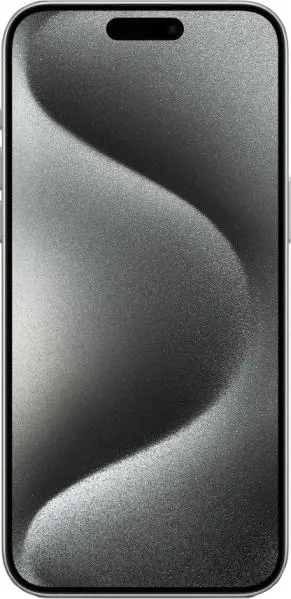
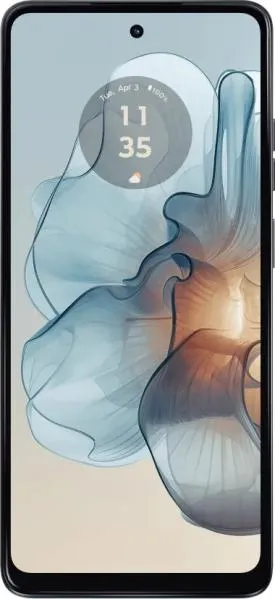
| Feature | Apple iPhone 15 Pro Max | Motorola Moto G24 Power | Practical Impact |
|---|---|---|---|
| Design | |||
| Dimensions | 159.9 x 76.7 x 8.3 mm | 163.5 x 74.5 x 9 mm | iPhone 15 Pro Max is slightly smaller and thinner. |
| Weight | 221g | 197g | Moto G24 Power is noticeably lighter. |
| Build | Titanium Frame | Unspecified | Material differences impact durability and premium feel; information lacking for Moto G24 Power. |
| Display | |||
| Display Type | LTPO Super Retina XDR OLED | IPS LCD | iPhone offers superior contrast, color accuracy, and viewing angles. |
| Size | 6.7" | 6.56" | Negligible size difference. |
| Resolution | 1290 x 2796 | 720 x 1612 | iPhone has significantly sharper display (460 ppi vs 269 ppi). Impacts clarity of text, images, and videos. |
| Refresh Rate | 120Hz | 90Hz | iPhone provides smoother scrolling and animations. |
| Peak Brightness | 2000 nits (HBM) | 537 nits | iPhone is vastly brighter, ensuring better outdoor visibility. |
| Performance | |||
| Chipset | Apple A17 Pro (3 nm) | Mediatek Helio G85 (12 nm) | A17 Pro offers significantly faster processing and graphics performance. Impacts app loading times, multitasking, and gaming. |
| CPU | Hexa-core (2x3.78 GHz + 4x2.11 GHz) | Octa-core (2x2.0 GHz Cortex-A75 & 6x1.7 GHz Cortex-A55) | A17 Pro's architecture and higher clock speeds provide a substantial performance advantage. |
| GPU | Apple GPU (6-core) | Mali-G52 MC2 | iPhone offers superior gaming and graphics-intensive task performance. |
| RAM | 8GB | 8GB | Equal RAM, but A17 Pro's superior memory management likely results in better real-world performance. |
| Storage | 512GB/1TB | 128GB | iPhone offers significantly more storage. |
| Battery | |||
| Capacity | 4441 mAh | 6000 mAh | Moto G24 Power has a much larger battery capacity, potentially leading to longer battery life. |
| Camera | |||
| Video Capabilities | Up to 4K@60fps (HDR), 1080p@240fps | 1080p@30fps | iPhone offers vastly superior video recording capabilities with higher resolution, frame rates, and HDR. |
| Specific Sensor details | Missing for both | Missing for both | Cannot compare image quality, low-light performance, and features without sensor specifics. |
2. Key Differences Analysis
iPhone 15 Pro Max Advantages:
- Significantly higher performance: A17 Pro chip offers a substantial advantage in speed and graphics.
- Superior display: OLED technology, higher resolution, refresh rate, and brightness deliver a premium visual experience.
- Advanced video recording capabilities: Higher resolutions, frame rates, and HDR support.
- More premium build: Titanium frame suggests better durability.
Moto G24 Power Advantages:
- Larger battery capacity: Potentially much longer battery life.
- Lower price: Significantly more affordable.
Trade-offs:
- Performance vs. Battery Life: iPhone prioritizes performance, while Moto G24 Power focuses on battery life.
- Premium Features vs. Affordability: iPhone offers a premium experience at a high cost, while Moto G24 Power provides essential features at a budget-friendly price.
3. User Profiles & Recommendations
iPhone 15 Pro Max: Users who demand top-tier performance, a premium display, and advanced camera features. Ideal for demanding tasks like gaming, video editing, and content creation.
Moto G24 Power: Users prioritizing battery life and affordability. Suitable for basic tasks like communication, web browsing, and media consumption. Ideal for users on a tight budget or those needing extended battery life.
4. Decision Framework
Key Questions:
- What is your budget? The iPhone 15 Pro Max is significantly more expensive.
- What are your primary use cases? Demanding tasks benefit from the iPhone's performance, while basic usage favors the Moto G24 Power's battery life and affordability.
- How important are display quality and camera features? The iPhone vastly outperforms the Moto G24 Power in these areas.
My Choice:
I would choose the iPhone 15 Pro Max. While the Moto G24 Power offers impressive battery life at a lower price, my priorities lie in performance, display quality, and a premium user experience. The A17 Pro chip, superior display, and advanced camera capabilities of the iPhone align better with my needs and usage patterns, which include demanding tasks like gaming, content creation, and multitasking. I am willing to pay the premium for the significant performance and feature advantages the iPhone offers. The longer software support lifecycle of the iPhone is also a crucial factor in my decision. While battery life is important, I can manage with the iPhone's battery using power-saving techniques or leveraging fast charging.
