1. Specifications Comparison
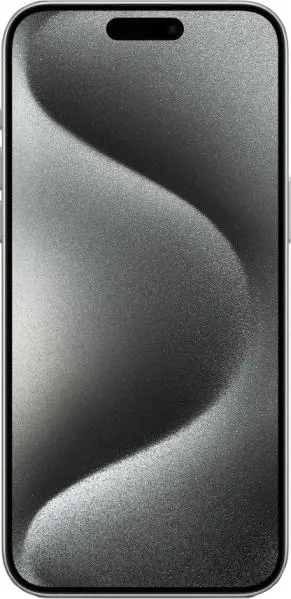
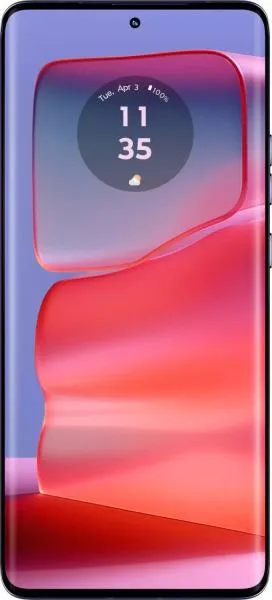
| Feature | Apple iPhone 15 Pro Max | Motorola Edge 50 Pro | Practical Impact |
|---|---|---|---|
| Design | |||
| Dimensions | 159.9 x 76.7 x 8.3 mm | 161.2 x 72.4 x 8.2 mm | Virtually identical in size, though the Motorola is slightly narrower and taller. Negligible difference in hand feel. |
| Weight | 221g | 186g | iPhone is significantly heavier, potentially noticeable during extended use. |
| Build Materials | Not specified | Not specified | Build quality and durability cannot be compared without knowing the materials. |
| Display | |||
| Display Type | LTPO Super Retina XDR OLED | P-OLED | Both are high-quality display technologies with excellent color reproduction. LTPO allows for dynamic refresh rate adjustment, potentially saving battery. |
| Size | 6.7" | 6.7" | Identical screen sizes. |
| Resolution | 1290 x 2796 | 1220 x 2712 | iPhone has a slightly higher pixel density (460 ppi vs 446 ppi), resulting in marginally sharper text and images. Difference is unlikely to be noticeable in everyday use. |
| Refresh Rate | 120Hz | 144Hz | Motorola offers a higher refresh rate, resulting in smoother scrolling and animations. More noticeable in supported games and apps. |
| Peak Brightness | 2000 nits (HBM) | 2000 nits | Both offer excellent peak brightness for good outdoor visibility. |
| Performance | |||
| Chipset | Apple A17 Pro (3 nm) | Qualcomm Snapdragon 7 Gen 3 (4 nm) | A17 Pro is generally considered a more powerful chip, expected to offer superior performance in demanding tasks and gaming. |
| CPU | Hexa-core (2x3.78 GHz + 4x2.11 GHz) | Octa-core (1x2.63 GHz + 4x2.4 GHz + 3x1.8 GHz) | Clock speeds alone don't determine real-world performance. A17's architecture and optimization likely provide a significant advantage. |
| GPU | Apple GPU (6-core) | Adreno 720 | Apple's custom GPU is known for its strong performance, likely exceeding the Adreno 720 in graphics-intensive applications. |
| RAM | 8GB | 12GB | Motorola offers more RAM, potentially improving multitasking and app switching performance. However, iOS's memory management might offset this advantage. |
| Storage | 512GB/1000GB | 256GB/512GB | iPhone offers larger storage options. |
| Battery | |||
| Capacity | 4441 mAh | 4500 mAh | Motorola has a slightly larger battery capacity. Real-world battery life depends on numerous factors, including software optimization and display usage. |
| Camera | |||
| Video Capabilities | Up to 4K@60fps (HDR), 1080p@240fps (HDR) | Up to 4K@30fps (HDR, EIS), 1080p@120fps (HDR, EIS) | iPhone offers higher resolution and frame rate video recording options including slow-motion at 1080p@240fps. Motorola includes Electronic Image Stabilization (EIS) at more resolutions. Specific camera sensor details are needed for a comprehensive comparison. |
| Other | |||
| OS | iOS 17 | Android 14 | Different operating systems cater to different user preferences. |
| Price Range | High | Medium | Significant price difference, making the Motorola a more budget-friendly option. |
2. Key Differences Analysis
iPhone 15 Pro Max Advantages:
- Performance: Expected to have significantly better performance due to the A17 Pro chip.
- Display Quality: While both displays are excellent, the iPhone's LTPO panel offers dynamic refresh rate adjustment, potentially leading to better battery life.
- Video Recording: Supports higher resolution and frame rate video recording.
- Software Updates: Apple generally provides longer software update support than Android manufacturers.
Motorola Edge 50 Pro Advantages:
- Price: Significantly more affordable.
- Higher Refresh Rate Display: Smoother scrolling and animations with the 144Hz display.
- Larger RAM: Potentially better multitasking, though real-world impact depends on OS optimization.
- Slightly Larger Battery: Potentially longer battery life, although real-world results may vary.
3. User Profiles & Recommendations
iPhone 15 Pro Max: Users who prioritize performance, premium build quality, long-term software updates, and a seamless ecosystem, and are willing to pay a premium. Ideal for demanding tasks, gaming, and content creation.
Motorola Edge 50 Pro: Price-conscious users who want a large, high-refresh-rate display, good performance for everyday tasks, and a customizable Android experience. A good option for media consumption, social media, and general use.
4. Decision Framework
Key Questions:
- What is your budget? The iPhone is significantly more expensive.
- What are your performance needs? The iPhone offers superior processing power.
- Which operating system do you prefer? iOS and Android offer distinct experiences.
My Choice: Apple iPhone 15 Pro Max
While the Motorola Edge 50 Pro offers excellent value, I would choose the iPhone 15 Pro Max. The superior performance of the A17 Pro chip, combined with Apple's consistent software updates and ecosystem integration, outweighs the price difference for me. The higher quality video recording capabilities and potential for better battery life due to the LTPO display are also compelling factors. While I appreciate the higher refresh rate of the Motorola, I prioritize long-term performance and a smooth, reliable user experience, which Apple consistently delivers. The price premium is a significant factor, but I am willing to invest in a device that will likely maintain its performance and value over a longer period.
