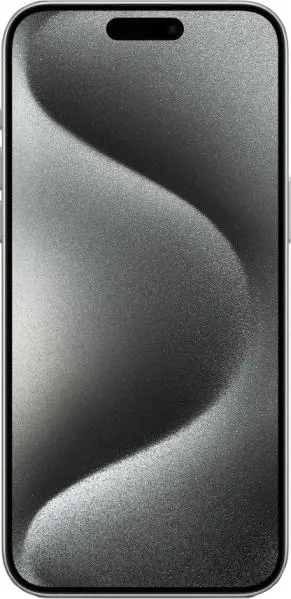
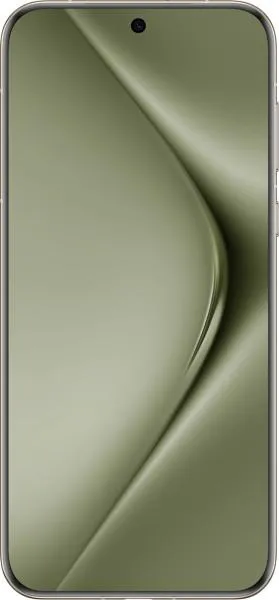
1. Specifications Comparison
| Feature | Category | Apple iPhone 15 Pro Max | Huawei Pura 70 Ultra | Practical Impact |
|---|---|---|---|---|
| Dimensions | Design | 159.9 x 76.7 x 8.3 mm | 162.6 x 75.1 x 8.4 mm | The iPhone 15 Pro Max is slightly shorter and wider, while the Huawei is slightly thinner but taller. Difference in hand feel will be minimal for most users. |
| Weight | Design | 221 g | 226 g | Negligible weight difference; both are relatively heavy phones. |
| Build | Design | Information Missing | Information Missing | Build materials (e.g., aluminum, glass) impact durability and premium feel. This information is crucial for a complete comparison. |
| Display Size | Display | 6.7" | 6.8" | The Huawei offers marginally larger screen real estate. |
| Display Type | Display | LTPO Super Retina XDR OLED | LTPO OLED | Both are high-quality OLED displays with variable refresh rates for power efficiency. "Super Retina XDR" is Apple's marketing term for their high-end display. |
| Resolution | Display | 1290 x 2796 | 1260 x 2844 | Virtually identical pixel density (around 460 ppi) resulting in sharp visuals on both devices. |
| Refresh Rate | Display | 120Hz | 120Hz | Both offer smooth scrolling and animations thanks to the high refresh rate. |
| Peak Brightness | Display | 2000 nits (HBM) | 2500 nits (peak) | The Huawei boasts higher peak brightness, potentially offering better visibility in direct sunlight. |
| Chipset | Performance | Apple A17 Pro (3 nm) | Kirin 9010 (7 nm) | The A17 Pro, built on a more advanced process node, is likely to offer superior performance and power efficiency compared to the Kirin 9010. |
| CPU | Performance | Hexa-core (2x3.78 GHz + 4x2.11 GHz) | Octa-core (1x2.3 GHz + 3x2.18 GHz + 4x1.55 GHz) | Core count doesn't directly translate to performance. The A17 Pro's architecture and higher clock speeds suggest a performance advantage. |
| GPU | Performance | Apple GPU (6-core graphics) | 8-core GPU | Missing specific GPU model for Huawei makes detailed comparison difficult.* Generally, more cores suggest better graphics performance, but architecture also plays a significant role. | |
| RAM | Performance | 8GB | 16GB | The Huawei offers significantly more RAM, potentially enabling better multitasking and handling of demanding applications. |
| Storage | Performance | 512GB/1TB | 1TB | Both offer ample storage for most users. |
| OS | Software | iOS 17 | Information Missing | A critical missing detail. The OS significantly impacts user experience, app availability, and overall functionality. |
| Battery Capacity | Battery | 4441 mAh | 5200 mAh | The Huawei has a notably larger battery, suggesting potentially longer battery life. Real-world usage will vary. |
| Camera | Camera | Specific sensor details missing | All camera specifications missing | Insufficient information to compare camera performance. Megapixel count is not the sole indicator of image quality. Lens quality, sensor size, and image processing play crucial roles. |
2. Key Differences Analysis
iPhone 15 Pro Max Advantages:
- Likely superior processing power: The A17 Pro chip is expected to outperform the Kirin 9010 in both CPU and GPU performance.
- Established OS ecosystem: iOS offers a mature app ecosystem and a strong track record of software updates. (Contingent on Huawei's missing OS information).
Huawei Pura 70 Ultra Advantages:
- Larger battery: Potentially longer battery life.
- More RAM: Better multitasking and performance with memory-intensive applications.
- Higher peak brightness: Enhanced outdoor visibility.
Trade-offs:
- Huawei's OS is unknown: This makes a comprehensive comparison impossible. App availability, software updates, and overall user experience are heavily dependent on the OS.
3. User Profiles & Recommendations
iPhone 15 Pro Max: Users prioritizing performance, a well-established app ecosystem, and a seamless user experience. Ideal for demanding tasks like gaming, video editing, and augmented reality applications.
Huawei Pura 70 Ultra: Users prioritizing battery life and potentially needing extensive multitasking capabilities. Recommendations are limited due to the lack of OS information. If running a full-featured OS with access to Google services, it might appeal to power users seeking long battery life.
4. Decision Framework
Key Questions for Buyers:
- What operating system is the Huawei phone running? This is crucial for app compatibility and overall usability.
- What is your budget and how important is long-term software support?
- What are your primary use cases? (Gaming, photography, productivity, etc.)
Scenario-Based Recommendations:
- Power User needing long battery life: If the Huawei phone has a comparable OS and app ecosystem, its larger battery and RAM could make it a strong contender.
- Gamer or creative professional: The iPhone's likely superior processing power makes it a safer bet for demanding applications.
My Choice:
Given the available information, I would choose the iPhone 15 Pro Max. The missing OS details for the Huawei Pura 70 Ultra make it impossible to fully evaluate. A phone's operating system is fundamental to the user experience. While the Huawei phone boasts a larger battery and more RAM, the likely performance advantage of the iPhone, coupled with the established iOS ecosystem and predictable software updates, make it the more compelling choice. The potential benefits of the Huawei are overshadowed by the uncertainty surrounding its software. If the Huawei were running a fully functional OS with access to a wide range of apps, the decision would be more difficult. However, without that critical information, the iPhone is the clear winner.
