1. Specifications Comparison
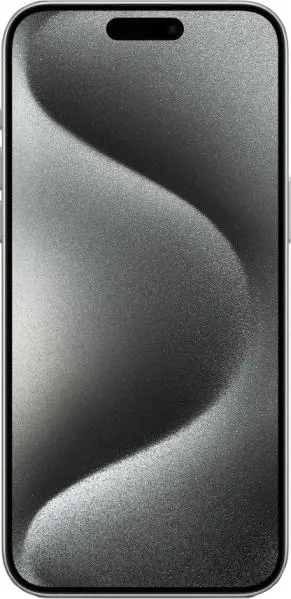
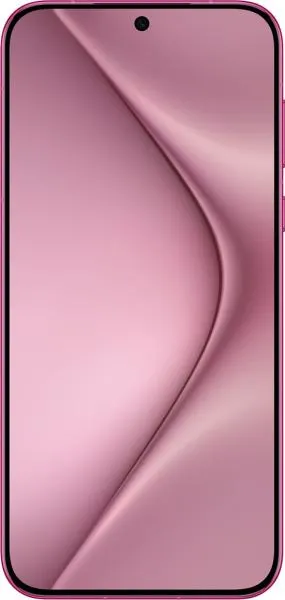
| Feature | Apple iPhone 15 Pro Max | Huawei Pura 70 | Practical Impact |
|---|---|---|---|
| Design | |||
| Dimensions (mm) | 159.9 x 76.7 x 8.3 | 157.6 x 74.3 x 8.0 | The iPhone 15 Pro Max is slightly larger and thicker. |
| Weight (g) | 221 | 207 | The Huawei Pura 70 is noticeably lighter. |
| Build Materials | Missing | Missing | Build quality and durability cannot be compared. |
| Display | |||
| Display Size (inches) | 6.7 | 6.6 | Negligible difference in screen real estate. |
| Display Type | LTPO Super Retina XDR OLED | LTPO OLED | Both offer high-quality displays with vibrant colors and deep blacks due to OLED technology. |
| Resolution | 1290 x 2796 | 1256 x 2760 | Virtually identical pixel density, resulting in sharp visuals on both. |
| Refresh Rate (Hz) | 120 | 120 | Both offer smooth scrolling and animations thanks to the 120Hz refresh rate. |
| Peak Brightness (nits) | 2000 (HBM) | 2500 | The Huawei Pura 70 boasts a higher peak brightness, potentially offering better visibility in direct sunlight. |
| Performance | |||
| Chipset | Apple A17 Pro (3 nm) | Kirin 9000S1 | The A17 Pro is generally expected to deliver superior performance due to its newer manufacturing process and Apple's strong track record. |
| CPU | Hexa-core (2x3.78 GHz + 4x2.11 GHz) | Octa-core | Specific core configurations are less relevant than real-world performance, which requires benchmarking. |
| GPU | Apple GPU (6-core graphics) | 8 | Apple's GPUs typically offer excellent graphics performance. The performance of the Huawei's 8-core GPU is unclear without further details. |
| RAM | 8GB | 12GB | The Huawei Pura 70 offers more RAM, potentially enabling better multitasking and handling of demanding applications. |
| Storage | 512GB/1TB | 512GB | Comparable storage options for most users. |
| Battery | |||
| Capacity (mAh) | 4441 | 4900 | The Huawei Pura 70 has a larger battery, suggesting potentially longer battery life. Real-world usage will vary. |
| Software | |||
| Operating System | iOS 17 | Missing | A critical piece of information missing for the Huawei Pura 70. The OS significantly impacts user experience. |
2. Key Differences Analysis
iPhone 15 Pro Max Advantages:
- Expected Performance: The A17 Pro chip is likely to outperform the Kirin 9000S1 in most tasks.
- Established Ecosystem: iOS offers a mature app ecosystem and seamless integration with other Apple devices.
- Software Updates: Apple provides long-term software updates, ensuring security and new features for years.
Huawei Pura 70 Advantages:
- Larger Battery: Potentially longer battery life.
- Higher Peak Brightness: Better outdoor visibility.
- More RAM: Improved multitasking and handling of demanding apps.
- Lower Price: The "medium" price range suggests significantly better value than the iPhone's "high" price.
Trade-offs:
- Huawei's OS and Ecosystem: The lack of OS information is a major concern. Without knowing the OS, it's impossible to assess app availability, usability, and long-term support. This is a crucial factor.
3. User Profiles & Recommendations
iPhone 15 Pro Max: Users who prioritize performance, a seamless user experience, a robust app ecosystem, and long-term software support, and are willing to pay a premium. Ideal for demanding tasks like video editing, gaming, and professional photography.
Huawei Pura 70: Cannot be determined without OS information. If it runs a full-featured OS with access to a comprehensive app store, it could be appealing to users who value battery life, screen brightness, and a lower price.
4. Decision Framework
Key Questions:
- What operating system does the Huawei Pura 70 use? This is crucial for app availability, usability, and overall experience.
- What is your budget? The iPhone is a premium device, while the Huawei is positioned in the mid-range.
- What are your priorities? Performance, battery life, display quality, software updates, and app ecosystem are all factors to consider.
My Choice:
I would choose the iPhone 15 Pro Max. While the Huawei Pura 70 has some appealing specs like a larger battery and brighter display, the missing OS information is a deal-breaker. A smartphone's operating system is fundamental to the user experience, and without knowing what OS the Huawei phone runs, I cannot assess its usability, app availability, security, or long-term viability. The iPhone, despite its higher price, offers a proven combination of performance, a mature ecosystem, and long-term software support that makes it a safer and more reliable choice. The potential cost savings of the Huawei are outweighed by the significant risk associated with an unknown OS.
