1. Specifications Comparison
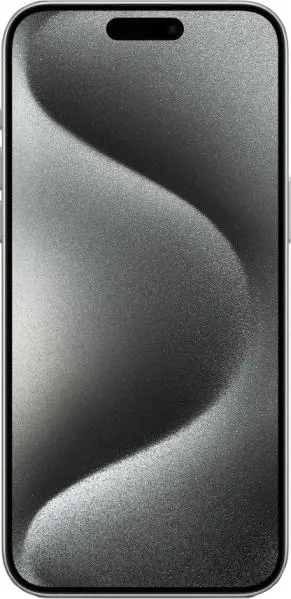
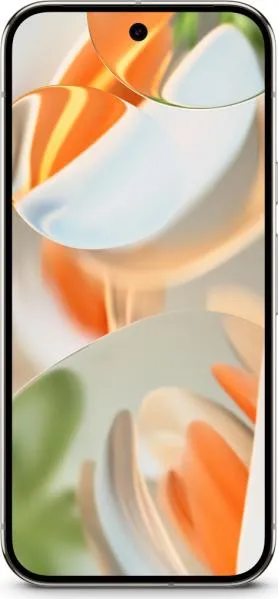
| Feature | Apple iPhone 15 Pro Max | Google Pixel 9 Pro | Practical Impact |
|---|---|---|---|
| Design | |||
| Dimensions | 159.9 x 76.7 x 8.3 mm | 152.8 x 72 x 8.5 mm | Pixel 9 Pro is noticeably narrower and slightly shorter, making it potentially more comfortable for one-handed use. |
| Weight | 221g | 199g | The Pixel 9 Pro is significantly lighter, reducing hand fatigue during extended use. |
| Build Materials | Missing | Missing | Material choice impacts durability and premium feel. This information is needed for a complete comparison. |
| Display | |||
| Size | 6.7" | 6.3" | iPhone 15 Pro Max offers a larger screen for more immersive media consumption. |
| Type | LTPO Super Retina XDR OLED | LTPO OLED | Both offer high-quality OLED displays with adaptive refresh rates for smooth scrolling and power efficiency. |
| Resolution | 1290 x 2796 | 1280x2856 | Pixel 9 Pro has a slightly higher pixel density (495 ppi vs 460 ppi), resulting in slightly sharper text and images. The difference is negligible in real-world use. |
| Peak Brightness | 2000 nits (HBM) | 3000 nits (peak) | Pixel 9 Pro boasts significantly higher peak brightness, ensuring better visibility in direct sunlight. |
| Performance | |||
| Chipset | Apple A17 Pro (3 nm) | Google Tensor G4 (4 nm) | Both are flagship chipsets, but real-world performance comparisons (benchmarks) are needed to assess differences. A17 Pro's 3nm process suggests potential advantages in power efficiency. |
| CPU | Hexa-core (2x3.78 GHz + 4x2.11 GHz) | Octa-core (1x3.1 GHz Cortex-X4 & 3x2.6 GHz Cortex-A720 & 4x1.92 GHz Cortex-A520) | Core configurations differ, but practical performance depends on optimization and real-world testing. |
| GPU | Apple GPU (6-core graphics) | Mali-G715 MC7 | Gaming and graphics-intensive tasks performance needs further benchmarking analysis. |
| RAM | 8GB/1000GB Option | 16GB | Pixel 9 Pro offers significantly more RAM, enabling better multitasking and potentially smoother performance with demanding applications. |
| Battery | |||
| Capacity | 4441 mAh | 4700 mAh | Pixel 9 Pro has a larger battery capacity, suggesting potentially longer battery life. Real-world usage and optimization play a significant role. |
| Camera | |||
| Video Capabilities | Up to 4K@60fps (HDR), 1080p@240fps | Up to 8K@30fps (HDR, OIS, EIS) | Pixel offers higher resolution video recording (8K) and benefits from optical (OIS) and electronic (EIS) image stabilization across all video modes, potentially resulting in smoother footage. iPhone's higher frame rates at lower resolutions provide smoother slow-motion capture. |
| Specific Sensor details | Missing | Missing | Detailed sensor specifications (size, aperture) are crucial for comparing camera quality. |
2. Key Differences Analysis
iPhone 15 Pro Max Advantages:
- Larger Display: More immersive experience for media consumption.
- Potentially More Efficient Chipset: The 3nm A17 Pro might offer better battery life compared to the Tensor G4.
Pixel 9 Pro Advantages:
- Higher Resolution and Brighter Display: Sharper visuals and superior outdoor visibility.
- More RAM: Superior multitasking and performance with demanding apps.
- Larger Battery: Potential for longer battery life.
- Higher Resolution Video Recording with Stabilization: More detailed videos and smoother footage.
- Ergonomics: Lighter and narrower, potentially more comfortable for one-handed use.
3. User Profiles & Recommendations
iPhone 15 Pro Max: Users prioritizing a larger display, within the Apple ecosystem, and who value potential efficiency gains from the A17 Pro chip.
Pixel 9 Pro: Users who prioritize Android, desire a brighter, sharper display, need excellent multitasking capabilities, value a longer battery life and advanced video recording features.
4. Decision Framework
Key Questions:
- Operating System Preference: iOS or Android?
- Display Size Priority: Larger screen for media or a more compact form factor?
- Importance of RAM and Multitasking: Heavy multitasking or casual usage?
Scenario-Based Recommendations:
- Power User: Pixel 9 Pro for its superior RAM and potentially longer battery life.
- Media Consumer: iPhone 15 Pro Max for its larger display.
- One-Handed Use Focus: Pixel 9 Pro for its more compact design.
My Choice: Google Pixel 9 Pro
While the iPhone 15 Pro Max offers a compelling larger display, the Pixel 9 Pro wins out for me due to its combination of a brighter, sharper display, significantly more RAM (crucial for my workflow), a larger battery for extended use, superior video recording capabilities, and a more ergonomic design. The lighter weight and narrower body are significant factors for daily comfort. While benchmarks are needed to definitively compare performance, the Pixel 9 Pro's advantages in RAM, display, and battery align better with my priorities. I also prefer the flexibility and customization options available within the Android ecosystem.
