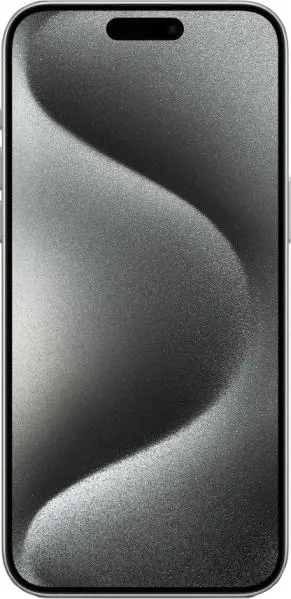

1. Specifications Comparison
| Feature | Apple iPhone 15 Pro Max | Google Pixel 8 Pro | Practical Impact |
|---|---|---|---|
| Design | |||
| Dimensions (mm) | 159.9 x 76.7 x 8.3 | 162.6 x 76.5 x 8.8 | Pixel 8 Pro is slightly larger and thicker. |
| Weight (g) | 221 | 213 | iPhone 15 Pro Max is slightly heavier. Negligible difference in daily use. |
| Build Materials | Information not provided | Information not provided | Cannot compare build quality and durability. |
| Display | |||
| Display Size | 6.7" | 6.7" | Identical screen sizes. |
| Display Type | LTPO Super Retina XDR OLED | LTPO OLED | Both offer excellent color accuracy and power efficiency. |
| Resolution | 1290 x 2796 | 1344 x 2992 | Pixel 8 Pro has a slightly higher resolution, resulting in marginally sharper text and images. |
| Refresh Rate | 120Hz | 120Hz | Both offer smooth scrolling and animations. |
| Peak Brightness | 2000 nits (HBM) | 2400 nits (peak) | Pixel 8 Pro has a higher peak brightness, improving outdoor visibility. |
| Performance | |||
| Chipset | Apple A17 Pro (3 nm) | Google Tensor G3 (4 nm) | A17 Pro is expected to outperform Tensor G3 in benchmarks, potentially leading to faster app loading and smoother multitasking. |
| CPU | Hexa-core (2x3.78 GHz + 4x2.11 GHz) | Nona-core (1x3.0 GHz Cortex-X3 & 4x2.45 GHz Cortex-A715 & 4x2.15 GHz Cortex-A510) | Different core architectures; real-world performance comparison requires benchmarks. |
| GPU | Apple GPU (6-core graphics) | Immortalis-G715s MC10 | Gaming performance differences need further testing. |
| RAM | 8GB | 12GB | Pixel 8 Pro having more RAM might benefit multitasking and keeping more apps open in the background. |
| Storage | 512GB/1TB | 256GB/512GB/1TB | Both offer ample storage options. |
| Battery | |||
| Capacity | 4441 mAh | 5050 mAh | Pixel 8 Pro has a significantly larger battery, potentially leading to longer battery life. |
| Software | |||
| Operating System | iOS 17 | Android 14 | Different operating systems cater to different user preferences and ecosystems. |
| Other | |||
| Price Range | High | Medium | Pixel 8 Pro offers potentially better value due to lower price for comparable features. |
2. Key Differences Analysis
iPhone 15 Pro Max Advantages:
- Expected Performance: The A17 Pro chip is likely to deliver superior processing power.
- iOS Ecosystem: Tight integration with other Apple devices and services.
Pixel 8 Pro Advantages:
- Larger Battery: Potentially significantly longer battery life.
- Higher Resolution Display: Slightly sharper visuals.
- Higher Peak Brightness: Better outdoor readability.
- More RAM: Potentially smoother multitasking.
- Lower Price: Better price-to-performance ratio.
- Temperature Sensor: Unique feature for potential health applications, though practical use cases are still emerging.
Trade-offs:
- Performance vs. Battery Life: iPhone potentially higher performance, Pixel potentially longer battery life.
- Ecosystem: iOS vs. Android preference.
- Price vs. Features: iPhone premium price for potential performance gains, Pixel offers more features for lower price.
3. User Profiles & Recommendations
iPhone 15 Pro Max: Users heavily invested in the Apple ecosystem who prioritize performance and seamless integration with other Apple devices. Ideal for demanding tasks and gaming.
Pixel 8 Pro: Users who prioritize battery life, a great camera (not fully evaluated here due to lack of camera specs), and value for money. Android enthusiasts who appreciate customization and Google's AI-powered features.
4. Decision Framework
Key Questions:
- What ecosystem are you invested in? Apple or Google services and devices?
- What is your budget? Is the premium price of the iPhone justified for your needs?
- What are your priorities? Performance, battery life, camera quality, display quality, price?
Scenario-Based Recommendations:
- Heavy User: If you need top-tier performance and are willing to pay a premium, the iPhone 15 Pro Max is a strong contender.
- Casual User: If battery life and value are paramount, the Pixel 8 Pro likely provides a better overall experience.
My Choice: Google Pixel 8 Pro
While the A17 Pro chip in the iPhone 15 Pro Max promises excellent performance, the Pixel 8 Pro's combination of a larger battery, brighter display, more RAM, and lower price makes it a more compelling overall package for me. The potentially significant difference in battery life and the lower price point heavily influence my decision. I prioritize practical benefits like all-day battery and value for money over a potentially marginal performance advantage. Android's customization options also appeal to me. The Pixel's slightly higher resolution and significantly brighter display further solidify its appeal for my usage habits.
