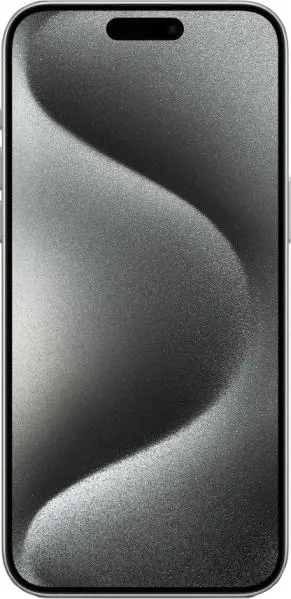

1. Specifications Comparison
| Feature | Apple iPhone 15 Pro Max | Google Pixel 8 | Practical Impact |
|---|---|---|---|
| Design | |||
| Dimensions | 159.9 x 76.7 x 8.3 mm | 150.5 x 70.8 x 8.9 mm | Pixel 8 is noticeably smaller and potentially easier to handle one-handed. iPhone 15 Pro Max is larger, offering a bigger screen but may be less pocketable. |
| Weight | 221g | 187g | Pixel 8 is lighter, reducing hand fatigue during extended use. |
| Build | Titanium Frame | Aluminum Frame | Titanium offers superior durability and scratch resistance compared to aluminum. |
| Display | |||
| Size | 6.7" | 6.2" | iPhone offers a larger display for more immersive media consumption and multitasking. |
| Type | LTPO Super Retina XDR OLED | OLED | Both are high-quality displays. LTPO allows for dynamic refresh rate adjustment, potentially saving battery on the iPhone. |
| Resolution | 1290 x 2796 | 1080 x 2400 | iPhone has a sharper display due to higher resolution, noticeable in text clarity and image detail. |
| Peak Brightness | 2000 nits (HBM) | 2000 nits (peak) | Both offer excellent peak brightness for outdoor visibility. |
| Performance | |||
| Chipset | Apple A17 Pro (3 nm) | Google Tensor G3 (4 nm) | A17 Pro is expected to offer superior performance and efficiency due to its advanced 3nm process. |
| CPU | Hexa-core | Octa-core | Core count doesn't directly translate to performance; A17 Pro's architecture likely provides a performance advantage. |
| GPU | Apple GPU (6-core) | Immortalis-G715s MC10 | Apple's GPUs generally offer excellent performance. Real-world gaming and graphics-intensive task comparisons are needed. |
| RAM | 8GB | 8GB | Both have ample RAM for smooth multitasking. |
| Storage | 512GB/1TB | 128GB/256GB | iPhone offers larger storage options for users with high media storage needs. |
| Battery | |||
| Capacity | 4441 mAh | 4575 mAh | Pixel 8 has a slightly larger battery capacity. Real-world battery life depends on optimization and usage patterns. |
| Camera | |||
| Video Capabilities | Up to 4K@60fps (HDR), 1080p@240fps (HDR) | Up to 4K@60fps (HDR, OIS, EIS), 1080p@240fps (HDR, OIS, EIS) | Both offer extensive video recording options. Pixel's inclusion of OIS/EIS across more resolutions suggests potentially better video stabilization. Detailed camera comparisons are needed to evaluate overall image and video quality. |
| Other | |||
| OS | iOS 17 | Android 14 | Offers different user experiences and ecosystem features. Preference depends on individual needs and familiarity. |
| Starting Price | Higher | Lower | Pixel 8 offers a more accessible price point. |
2. Key Differences Analysis
iPhone 15 Pro Max Advantages:
- Premium Build and Display: Titanium frame, higher resolution, and potentially better display quality.
- Expected Performance Advantage: A17 Pro chip likely offers significant performance gains.
- Larger Storage Options: Caters to users with high storage demands.
Pixel 8 Advantages:
- More Affordable: Offers competitive features at a lower price.
- Potentially Better Video Stabilization: OIS/EIS across a wider range of video resolutions.
- Compact Form Factor: Easier to handle and more pocketable.
- Pure Android Experience with Faster Updates: Clean Android experience with guaranteed updates for a longer period.
3. User Profiles & Recommendations
iPhone 15 Pro Max: Users prioritizing performance, premium design, larger display, and within the Apple ecosystem. Ideal for demanding tasks, content creation, and media consumption.
Pixel 8: Users seeking a balance of performance, camera capabilities, and affordability. Ideal for everyday use, photography enthusiasts, and those who prefer the Android ecosystem.
4. Decision Framework
Key Questions for Buyers:
- Budget: How much are you willing to spend?
- Performance Needs: Do you require top-tier processing power for demanding tasks or gaming?
- Ecosystem Preference: Are you invested in the Apple or Google ecosystem?
My Choice: Google Pixel 8
While the iPhone 15 Pro Max boasts superior performance and a premium build, the Pixel 8 offers a compelling combination of features, performance, and affordability. The smaller size and lighter weight are more appealing to me personally. The price difference is significant, and the Pixel 8 still delivers a flagship-level experience with excellent camera capabilities (although we need more data to confirm this) and a clean Android experience with guaranteed updates. The value proposition of the Pixel 8 aligns better with my personal priorities. I am also drawn to the potentially superior video stabilization features for casual video recording. While I acknowledge the iPhone's potential performance advantage, I don't require the absolute highest processing power for my daily usage.
