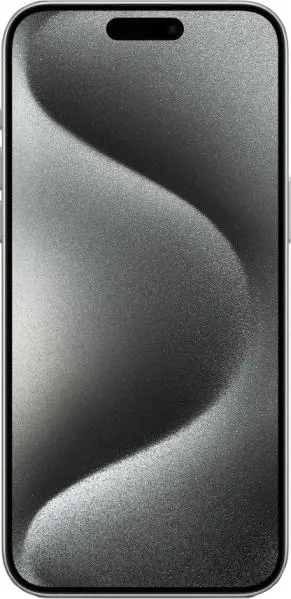
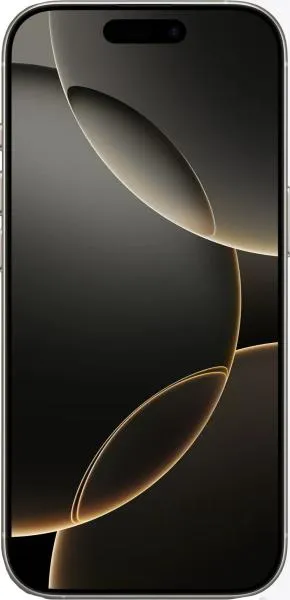
1. Specifications Comparison
| Feature | iPhone 15 Pro Max | iPhone 16 Pro | Practical Impact |
|---|---|---|---|
| Design | |||
| Dimensions | 159.9 x 76.7 x 8.3 mm | 149.6 x 71.5 x 8.3 mm | The iPhone 16 Pro is noticeably smaller and potentially easier to handle one-handed. |
| Weight | 221g | 199g | The iPhone 16 Pro is significantly lighter, reducing hand fatigue during extended use. |
| Display | |||
| Size | 6.7 inches | 6.3 inches | The 15 Pro Max offers a larger screen for more immersive media consumption, but the 16 Pro's size is more pocketable. |
| Resolution | 1290 x 2796 | 1206 x 2622 | Both offer crisp displays with similar pixel density. The 15 Pro Max offers slightly more screen real estate due to its larger size. |
| Type | LTPO Super Retina XDR OLED | LTPO Super Retina XDR OLED | Both displays utilize the same advanced technology, offering excellent color accuracy, contrast, and power efficiency. |
| Refresh Rate | 120Hz | 120Hz | Identical refresh rates ensure smooth scrolling and animations on both devices. |
| Performance | |||
| Chipset | A17 Pro (3nm) | A18 Pro (3nm) | The A18 Pro likely provides a performance boost over the A17 Pro, resulting in faster app loading, smoother multitasking, and improved gaming performance. However, real-world differences might be subtle for average users. |
| CPU | Hexa-core (2x3.78 GHz + 4x2.11 GHz) | Hexa-core (2x4.05 GHz + 4x2.42 GHz) | The iPhone 16 Pro has slightly faster CPU clock speeds, indicating potential performance gains in demanding tasks. |
| GPU | Apple GPU (6-core) | Apple GPU (6-core) | While both have 6-core GPUs, the A18 Pro's GPU likely offers performance improvements in graphics-intensive applications and games. |
| RAM | 8GB | 8GB | Both phones have the same amount of RAM. |
| Battery | |||
| Capacity | 4441 mAh | 3582 mAh | The iPhone 15 Pro Max has significantly larger battery capacity, potentially leading to much longer battery life. |
| Camera | |||
| Video Capabilities | Up to 4K@60fps (HDR) | Up to 4K@120fps (HDR) | The iPhone 16 Pro can record higher frame rate 4K video, offering smoother slow-motion footage and more flexibility in post-production. |
2. Key Differences Analysis
iPhone 15 Pro Max Advantages:
- Significantly longer battery life: The much larger battery capacity suggests substantially longer usage between charges.
- Larger display: Offers a more immersive experience for media consumption and gaming.
iPhone 16 Pro Advantages:
- Smaller and lighter: More comfortable for one-handed use and extended periods of holding.
- Newer Processor: Faster CPU and GPU offer performance benefits for demanding tasks and future-proofing.
- Higher frame rate video recording: Provides smoother and more professional-looking video.
Trade-offs:
- Battery Life vs. Size/Weight: The 15 Pro Max prioritizes battery life over portability, while the 16 Pro balances size and weight with performance.
3. User Profiles & Recommendations
iPhone 15 Pro Max: Ideal for users who prioritize battery life and a large screen for media consumption, gaming, and productivity. Heavy users and those who dislike frequent charging would benefit.
iPhone 16 Pro: Suitable for users who value a more compact and lightweight phone without compromising on performance. Those who prioritize portability and appreciate the latest technology would prefer this model.
4. Decision Framework
Key Questions:
- How important is battery life?
- Do you prefer a larger screen for media or a smaller phone for one-handed use?
- How much do you value having the latest processor and camera features?
Scenario-Based Recommendations:
- Heavy User: Choose the 15 Pro Max for its superior battery life.
- One-Handed Use Focus: Choose the 16 Pro for its smaller size and lighter weight.
- Latest Technology Enthusiast: Choose the 16 Pro for its newer processor and camera capabilities.
My Choice: iPhone 15 Pro Max
While the iPhone 16 Pro offers performance gains and a more pocketable form factor, the significantly larger battery in the iPhone 15 Pro Max is the deciding factor for me. As someone who heavily uses their phone throughout the day, battery life is paramount. The larger screen is a bonus for media consumption. I am willing to compromise on the slightly larger size and potentially less noticeable performance difference for the significant advantage in battery life. The improved video recording capabilities of the 16 Pro are tempting, but not essential for my usage.
