1. Specifications Comparison
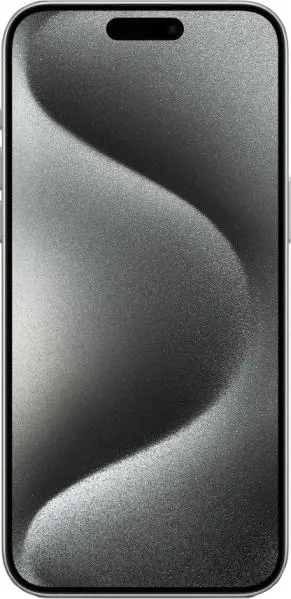
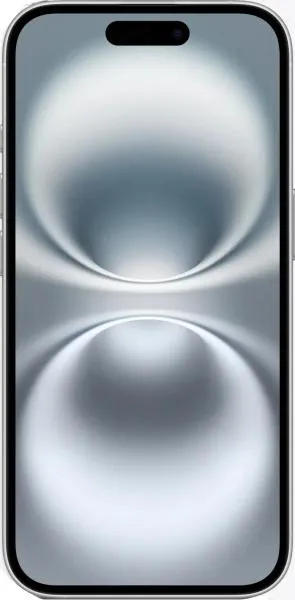
| Feature | iPhone 15 Pro Max | iPhone 16 | Practical Impact |
|---|---|---|---|
| Design | |||
| Dimensions | 159.9 x 76.7 x 8.3 mm | 147.6 x 71.6 x 7.8 mm | The iPhone 16 is significantly smaller and lighter, making it more pocketable and comfortable for one-handed use. |
| Weight | 221g | 170g | The noticeable weight difference enhances the portability and ease of use of the iPhone 16. |
| Build | Titanium | Assumed Aluminum (Based on previous models) | Titanium offers greater durability and scratch resistance compared to aluminum. |
| Display | |||
| Size | 6.7" | 6.1" | The larger display of the 15 Pro Max provides more immersive content consumption and easier multitasking. |
| Type | LTPO Super Retina XDR OLED | Super Retina XDR OLED | Both are high-quality OLED displays with excellent color accuracy and contrast. The LTPO panel on the 15 Pro Max allows for dynamic refresh rate adjustment (1-120Hz), leading to better battery efficiency. |
| Resolution | 1290 x 2796 | 1179 x 2556 | While both have similar PPI (~460), the 15 Pro Max offers a sharper image due to the higher resolution. |
| Refresh Rate | 120Hz | Not specified | A 120Hz refresh rate (15 Pro Max) results in smoother animations and scrolling compared to a standard 60Hz display (assumed for iPhone 16). This significantly impacts the perceived responsiveness of the device. |
| Performance | |||
| Chipset | A17 Pro (3nm) | A18 (3nm) | While both are powerful chips, the A18 likely offers a performance boost over the A17 Pro, potentially resulting in faster app loading, smoother multitasking, and improved graphics performance. |
| CPU | Hexa-core (2x3.78 GHz + 4x2.11 GHz) | Hexa-core (2x4.04 GHz + 4x2.20 GHz) | The A18's higher clock speeds suggest a performance advantage in demanding tasks. |
| GPU | 6-core | 5-core | The 15 Pro Max's extra GPU core could offer a slight edge in graphics-intensive tasks like gaming and video editing. However, architectural improvements in the A18 could offset this difference. |
| RAM | 8GB | 8GB | Both phones have ample RAM for smooth multitasking. |
| Battery | |||
| Capacity | 4441 mAh | 3561 mAh | The significantly larger battery in the 15 Pro Max likely translates to considerably longer battery life. |
| Other | |||
| Storage | 512GB/1TB | 256GB/512GB | The 15 Pro Max offers a larger maximum storage option (1TB). |
| USB | USB Type-C 3.2 Gen 2 | USB Type-C 2.0 | The faster data transfer speeds of USB 3.2 Gen 2 on the 15 Pro Max are beneficial for transferring large files. |
| Price | High | Medium | The iPhone 16 is expected to be more affordable. |
2. Key Differences Analysis
iPhone 15 Pro Max Advantages:
- Larger, more advanced display: LTPO technology with a 120Hz adaptive refresh rate for smoother visuals and better battery efficiency. Bigger screen size for immersive content.
- Longer battery life: Significantly larger battery capacity.
- More premium materials: Titanium frame for enhanced durability.
- Faster data transfer: USB 3.2 Gen 2.
- Larger storage option: 1TB option available.
iPhone 16 Advantages:
- Smaller and lighter: More comfortable for one-handed use and portability.
- Newer Processor: Likely performance gains with the A18 chip.
- Lower price: More accessible to budget-conscious buyers.
3. User Profiles & Recommendations
iPhone 15 Pro Max: Users who prioritize a premium experience, large screen, long battery life, and top-tier performance, regardless of cost. Ideal for power users, content creators, and mobile gamers.
iPhone 16: Users seeking a balance of performance, modern features, and affordability in a more compact form factor. Suitable for everyday users, students, and those who prefer a smaller phone.
4. Decision Framework
Key Questions:
- What is your budget? The price difference between the two models is significant.
- How important is screen size and battery life? The 15 Pro Max excels in these areas.
- Do you prioritize portability and one-handed use? The iPhone 16 is smaller and lighter.
My Choice: iPhone 15 Pro Max
While the iPhone 16 offers a compelling combination of performance and affordability, I would choose the iPhone 15 Pro Max. The significantly larger battery, the more advanced display with ProMotion (120Hz adaptive refresh rate), the more durable titanium build, and faster USB connectivity outweigh the benefits of the smaller size and newer processor of the iPhone 16 for my personal needs. I prioritize a smooth and immersive user experience, longer battery life, and a robust device, and I am willing to pay a premium for these features. The slightly improved performance of the A18 chip in the iPhone 16 wouldn't be a significant enough upgrade to justify sacrificing these key features for me. The larger storage option (1TB) on the Pro Max is also appealing for future-proofing.
