1. Specifications Comparison
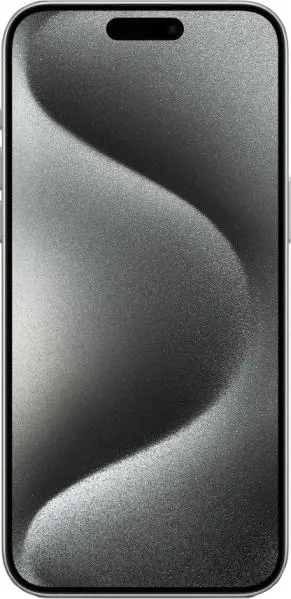
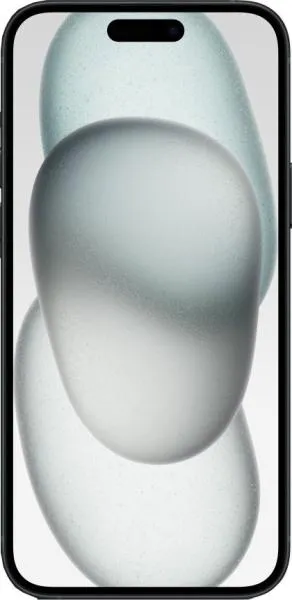
| Feature | Apple iPhone 15 Pro Max | Apple iPhone 15 Plus | Practical Impact |
|---|---|---|---|
| Design | |||
| Dimensions | 159.9 x 76.7 x 8.3 mm | 160.9 x 77.8 x 7.8 mm | Pro Max is slightly shorter and narrower but thicker. Negligible difference in everyday use. |
| Weight | 221g | 201g | Pro Max is noticeably heavier. Can be a factor for extended use. |
| Build | Titanium Frame | Aluminum Frame | Titanium offers increased durability and scratch resistance compared to aluminum, though both are premium materials. |
| Display | |||
| Size | 6.7" | 6.7" | Identical screen size. |
| Type | LTPO Super Retina XDR OLED | Super Retina XDR OLED | Both offer excellent OLED displays with vibrant colors and deep blacks. Pro Max utilizes LTPO technology for dynamic refresh rate adjustments, leading to better power efficiency. |
| Refresh Rate | 120Hz | Unspecified (Likely 60Hz) | 120Hz on the Pro Max provides a significantly smoother and more responsive user experience, especially noticeable in scrolling and gaming. |
| Peak Brightness | Unspecified | 2000 nits | While the Pro Max's typical brightness is 1000 nits and it likely also reaches 2000 nits in peak brightness, the lack of a specified value makes a direct comparison difficult. Generally, higher peak brightness ensures better visibility in direct sunlight. |
| Performance | |||
| Chipset | Apple A17 Pro (3 nm) | Apple A16 Bionic (4 nm) | A17 Pro offers improved performance and efficiency over the A16. Expect faster app loading, smoother multitasking, and potentially better gaming performance on the Pro Max. |
| CPU | Hexa-core (2x3.78 GHz + 4x2.11 GHz) | Hexa-core (2x3.46 GHz + 4x2.02 GHz) | Higher clock speeds on the Pro Max translate to faster processing power. |
| GPU | Apple GPU (6-core) | Apple GPU (5-core) | The extra GPU core in the Pro Max will provide a noticeable boost in graphics-intensive tasks like gaming and video editing. |
| RAM | 8GB | 6GB | More RAM allows for more apps to run in the background without impacting performance. The Pro Max will handle multitasking more efficiently. |
| Storage | 512GB/1TB | 256GB/512GB | Both offer ample storage. Pro Max provides a higher maximum storage option for users who need it. |
| Battery | |||
| Capacity | 4441 mAh | 4383 mAh | Slightly larger battery in the Pro Max, but real-world battery life will depend on usage and the Pro Max's more demanding display. |
| Other | |||
| USB | USB Type-C 3.2 Gen 2 | USB Type-C 2.0 | Faster data transfer speeds on Pro Max. However, the practical impact for most users will likely be minimal. |
2. Key Differences Analysis
iPhone 15 Pro Max Advantages:
- Superior Performance: The A17 Pro chip, coupled with more RAM, offers a significant performance advantage for demanding tasks and gaming.
- Smoother Display: The 120Hz adaptive refresh rate display provides a notably smoother and more responsive user experience.
- More Durable Build: Titanium frame offers greater scratch and dent resistance.
iPhone 15 Plus Advantages:
- Lower Price: Significantly more affordable than the Pro Max.
- Lighter Weight: Noticeably lighter, making it more comfortable for extended use.
Trade-offs:
- The Pro Max's superior performance and display come at a premium price and increased weight.
- The Plus offers a more affordable option but compromises on performance, refresh rate, and build materials.
3. User Profiles & Recommendations
iPhone 15 Pro Max:
- Ideal User: Power users, gamers, content creators, professionals who demand top-tier performance and a premium experience.
- Use Cases: Demanding mobile gaming, professional video/photo editing, multitasking with multiple demanding apps.
iPhone 15 Plus:
- Ideal User: Casual users, budget-conscious buyers seeking a large screen and long battery life.
- Use Cases: Everyday tasks like web browsing, social media, casual gaming, consuming media.
4. Decision Framework
Key Questions:
- What is your budget? The Pro Max commands a significant price premium.
- How important is peak performance? If you are a gamer or power user, the Pro Max is worth the investment. For casual use, the Plus is sufficient.
- Do you value a smoother display? The 120Hz display on the Pro Max is a tangible improvement but might not be essential for everyone. Scenario-Based Recommendations: If you need the absolute best performance and a premium experience, regardless of cost, choose the Pro Max. If you prioritize value and a large screen, the Plus is a great option.
My Choice:
I would choose the iPhone 15 Pro Max. While the price is significantly higher, the superior performance offered by the A17 Pro chip, the smoother 120Hz display, and the increased durability of the titanium frame are compelling for my usage. I value a fluid and responsive user experience, and I often engage in tasks that benefit from the extra processing power, such as mobile gaming and photo editing. The longer term value of the more robust build also appeals to me. While the weight is a slight concern, the benefits outweigh this drawback for my personal needs.
