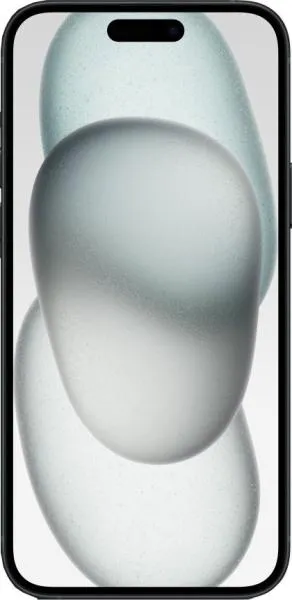

1. Specifications Comparison
| Feature | Apple iPhone 15 Plus | ZTE nubia Red Magic 9S Pro | Practical Impact |
|---|---|---|---|
| Design | |||
| Dimensions | 160.9 x 77.8 x 7.8 mm | 164 x 76.4 x 8.9 mm | Red Magic 9S Pro is slightly larger and thicker. |
| Weight | 201g | 229g | Red Magic 9S Pro is noticeably heavier. |
| Build | Glass front/back, aluminum frame | Missing Information | Build materials impact durability and premium feel. Lack of information for Red Magic makes comparison incomplete. |
| Display | |||
| Size | 6.7" | 6.8" | Negligible difference in screen real estate. |
| Type | Super Retina XDR OLED | AMOLED | Both offer excellent color accuracy and deep blacks. |
| Resolution | 1290 x 2796 | 1116 x 2480 | iPhone 15 Plus has a sharper display (460 ppi vs 400 ppi). |
| Refresh Rate | Missing Information, presumed 60Hz | 120Hz | Red Magic 9S Pro offers smoother scrolling and animations thanks to the higher refresh rate. |
| Peak Brightness | 2000 nits | 1600 nits | iPhone 15 Plus will be more visible in direct sunlight. |
| Performance | |||
| Chipset | Apple A16 Bionic (4 nm) | Snapdragon 8 Gen 3 (4 nm) | Both are flagship chipsets offering top-tier performance. Cross-platform comparisons are difficult, but benchmarks suggest the Snapdragon 8 Gen 3 may have a slight edge in certain areas. |
| CPU | Hexa-core | Octa-core | Core count doesn't directly translate to performance; architecture and optimization are key. |
| GPU | Apple GPU (5-core) | Adreno 750 | Gaming performance likely favors the Red Magic 9S Pro with its more powerful GPU, but real-world testing is needed. |
| RAM | 6GB | 16GB | Red Magic 9S Pro's significantly higher RAM allows for more aggressive multitasking and smoother performance with demanding applications. |
| Storage | 256GB/512GB | 512GB | Comparable high-end storage options. |
| Battery | |||
| Capacity | 4383 mAh | 6500 mAh | Red Magic 9S Pro offers significantly longer battery life. |
| Other | |||
| OS | iOS 17 | Android 14 | Preference-based; iOS is known for simplicity and security, while Android offers more customization. |
| Charging Speed | Missing Information | Missing Information | Charging speed significantly impacts usability. This information is crucial for a complete comparison. |
2. Key Differences Analysis
iPhone 15 Plus Advantages:
- Brighter Display: Better visibility outdoors.
- Higher Resolution Display: Sharper images and text.
- Potentially Better Optimization: Apple's tight integration of hardware and software often leads to better efficiency and performance in specific tasks.
Red Magic 9S Pro Advantages:
- Higher Refresh Rate: Smoother animations and scrolling.
- Significantly Larger Battery: Much longer usage time between charges.
- More RAM: Superior multitasking and handling of demanding apps and games.
- More Powerful GPU: Likely better for gaming and graphically intensive tasks.
3. User Profiles & Recommendations
iPhone 15 Plus: Users who prioritize a premium, refined experience with a bright, sharp display and seamless ecosystem integration. Ideal for everyday tasks, content consumption, and casual gaming.
Red Magic 9S Pro: Users who demand top-tier performance, especially for gaming, multitasking, and extended battery life. Suitable for power users, mobile gamers, and anyone who needs a phone that can last all day on a single charge.
4. Decision Framework
Key Questions for Buyers:
- What is your primary use case? (Gaming, everyday tasks, content consumption, etc.)
- How important is battery life?
- Do you prefer iOS or Android?
Scenario-Based Recommendations:
- Heavy gamer: Red Magic 9S Pro
- Average user prioritizing ease of use and battery life: Red Magic 9S Pro
- User deeply invested in the Apple ecosystem: iPhone 15 Plus
My Choice: ZTE nubia Red Magic 9S Pro
While the iPhone 15 Plus offers a polished experience and a brighter, sharper display, the Red Magic 9S Pro's significantly larger battery, higher refresh rate display, more powerful GPU, and larger RAM make it a more compelling device for me. The longer battery life and superior performance for demanding tasks outweigh the benefits of the iPhone's display in my personal use case. I value the responsiveness of a 120Hz display and the ability to multitask heavily without slowdowns. While I acknowledge the subjective preference for iOS, the objective advantages of the Red Magic 9S Pro in terms of performance and battery are decisive factors in my decision.
