1. Specifications Comparison
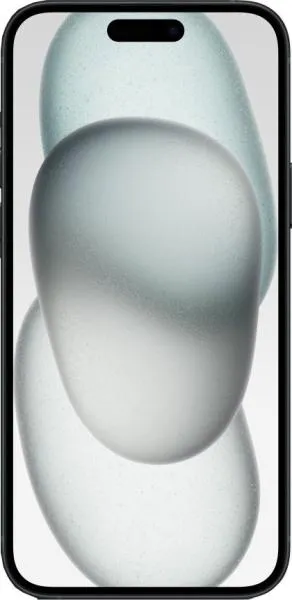
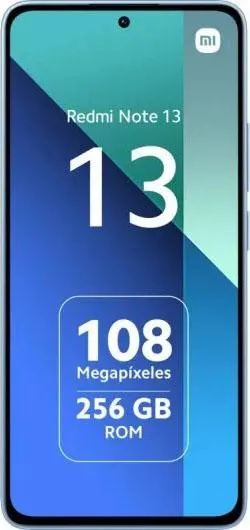
| Feature | Apple iPhone 15 Plus | Xiaomi Redmi Note 13 4G | Practical Impact |
|---|---|---|---|
| Design | |||
| Dimensions | 160.9 x 77.8 x 7.8 mm | 162.3 x 75.6 x 8.0 mm | Virtually identical in size; negligible real-world difference. |
| Weight | 201 g | 188.5 g | iPhone is slightly heavier, but the difference is unlikely to be noticeable in daily use. |
| Build Materials | Not specified | Not specified | Cannot compare without information. |
| Display | |||
| Size | 6.7" | 6.67" | Negligible size difference. |
| Type | Super Retina XDR OLED | AMOLED | Both offer vibrant colors and deep blacks. iPhone's "Super Retina XDR" likely implies higher color accuracy and brightness. |
| Resolution | 1290 x 2796 | 1080 x 2400 | iPhone has a significantly sharper display (460 ppi vs 395 ppi), resulting in crisper text and images. |
| Refresh Rate | Not specified (Likely 60Hz) | 120Hz | Redmi Note 13 4G offers smoother scrolling and animations thanks to its higher refresh rate. |
| Peak Brightness | 2000 nits | 1800 nits | iPhone should be more readable in direct sunlight. |
| Performance | |||
| Chipset | Apple A16 Bionic (4 nm) | Qualcomm Snapdragon 685 (6 nm) | A16 Bionic is significantly more powerful, leading to faster app launches, smoother multitasking, and better gaming performance. |
| CPU | Hexa-core (2x3.46 GHz + 4x2.02 GHz) | Octa-core (4x2.8 GHz + 4x1.9 GHz) | A16's architecture and higher clock speeds will provide superior performance despite fewer cores. |
| GPU | Apple GPU (5-core) | Adreno 610 | iPhone will offer significantly better graphics performance for demanding games and applications. |
| RAM | 6GB | 8GB | While Redmi has more RAM, the iPhone's superior memory management and processing power likely offset this in real-world usage. |
| Storage | 256GB/512GB | 128GB/256GB | Both offer ample storage, with options for larger capacities. |
| Camera | |||
| Rear Camera | Not specified | Not specified | Cannot compare without detailed sensor and lens specifications. |
| Video Recording | Up to 4K@60fps, 1080p@240fps | 1080p@30fps | iPhone offers significantly higher resolution and frame rate video recording capabilities, including slow-motion. |
| Battery | |||
| Capacity | 4383 mAh | 5000 mAh | Redmi Note 13 4G has a larger battery, potentially offering longer battery life. However, real-world battery life depends on numerous factors including software optimization. |
2. Key Differences Analysis
iPhone 15 Plus Advantages:
- Significantly more powerful: The A16 Bionic chip provides a major performance advantage for demanding tasks and gaming.
- Sharper display: Higher resolution and peak brightness deliver a superior visual experience.
- Superior video recording: More versatile and higher quality video recording capabilities.
- Likely better long-term software support: Apple typically provides longer software updates than Android manufacturers.
Redmi Note 13 4G Advantages:
- Higher refresh rate display: Smoother scrolling and animations.
- Larger battery capacity: Potentially longer battery life, though real-world usage will vary.
- Potentially lower price: While both are in the "medium price" range, Redmi devices are often more budget-friendly.
3. User Profiles & Recommendations
iPhone 15 Plus: Users who prioritize performance, a premium display, high-quality video recording, and long-term software updates. Ideal for demanding tasks, gaming, and content creation.
Redmi Note 13 4G: Users seeking a smooth display experience and potentially longer battery life at a more budget-friendly price. Suitable for everyday tasks, social media, and casual gaming.
4. Decision Framework
Key Questions:
- What is your budget? The Redmi is likely more affordable.
- What are your performance needs? The iPhone offers significantly higher performance.
- How important is display quality and smoothness? The iPhone has a sharper display, while the Redmi offers a higher refresh rate.
My Choice: Apple iPhone 15 Plus
While the Redmi Note 13 4G offers a compelling combination of features for its price, the iPhone 15 Plus's superior performance, display quality, and long-term software support make it the better choice for me. The A16 Bionic chip ensures a smooth and responsive experience for years to come, while the sharper display and advanced video recording capabilities are significant advantages. I prioritize performance and longevity in a smartphone, and am willing to pay a premium for these features. The higher refresh rate of the Redmi is tempting, but the overall user experience offered by the iPhone 15 Plus is more appealing. The potential for longer battery life on the Redmi is outweighed by the performance benefits of the iPhone.
