1. Specifications Comparison
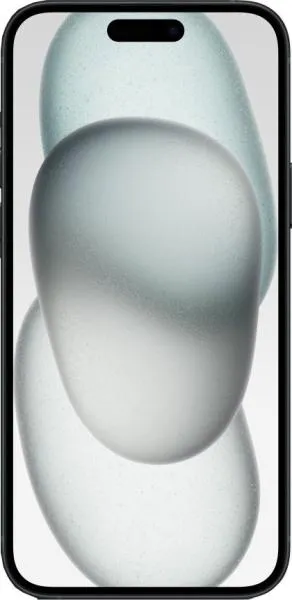
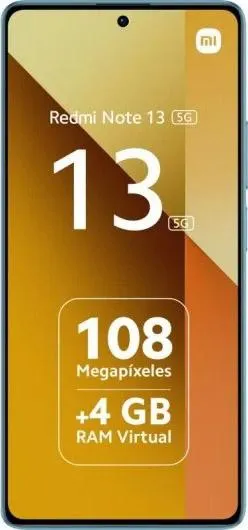
| Feature | Apple iPhone 15 Plus | Xiaomi Redmi Note 13 | Practical Impact |
|---|---|---|---|
| Design | |||
| Dimensions | 160.9 x 77.8 x 7.8 mm | 161.1 x 75 x 7.6 mm | Virtually identical in hand feel. Redmi Note 13 slightly thinner. |
| Weight | 201g | 174.5g | iPhone 15 Plus noticeably heavier. Can lead to fatigue during extended use. |
| Build Materials | Not specified | Not specified | Cannot compare build quality and durability without material information. |
| Display | |||
| Size | 6.7" | 6.67" | Negligible size difference. Both offer large screen experiences. |
| Type | Super Retina XDR OLED | AMOLED | Both offer excellent color accuracy and deep blacks. |
| Resolution | 1290 x 2796 | 1080 x 2400 | iPhone has a sharper display (460 ppi vs 395 ppi). Noticeable in text clarity and image detail. |
| Refresh Rate | Not specified | 120Hz | Higher refresh rate on Redmi Note 13 results in smoother scrolling and animations. Missing iPhone refresh rate limits comparison. |
| Peak Brightness | 2000 nits | 1000 nits | iPhone significantly brighter outdoors. Improves readability in direct sunlight. |
| Performance | |||
| Chipset | Apple A16 Bionic (4 nm) | Mediatek Dimensity 6080 (6 nm) | A16 expected to offer significantly better performance in demanding tasks and gaming. |
| CPU | Hexa-core (2x3.46 GHz + 4x2.02 GHz) | Octa-core (2x2.4 GHz + 6x2.0 GHz) | Core count difference less important than architecture and clock speeds. A16's architecture and higher clock speeds point to superior performance. |
| GPU | Apple GPU (5-core) | Mali-G57 MC2 | A16's GPU likely more powerful. Impacts gaming and graphics-intensive applications. |
| RAM | 6GB | 8GB/12GB | Redmi Note 13 offers more RAM. Potentially better multitasking performance, but OS efficiency plays a significant role. |
| Storage | 256GB/512GB | 256GB | Similar storage options in the provided configurations. |
| Camera | Not enough information provided to compare | Not enough information provided to compare | Insufficient data to compare camera quality. Megapixels and video resolution alone don't define camera performance. |
| Battery | |||
| Capacity | 4383 mAh | 5000 mAh | Redmi Note 13 has a larger battery. Potentially longer battery life, but actual usage varies greatly. |
2. Key Differences Analysis
iPhone 15 Plus Advantages:
- Significantly Brighter Display: Easier to use outdoors.
- Expectedly Superior Performance: Smoother experience in demanding tasks, gaming, and app usage due to the A16 Bionic chip.
- Sharper Display: Crisper text and images.
- Potentially better long-term software support: Apple is known for providing longer software updates compared to Android manufacturers.
Redmi Note 13 Advantages:
- Higher Refresh Rate: Smoother scrolling and animations.
- Larger Battery: Potentially longer battery life.
- More RAM: Better multitasking potential, particularly the 12GB RAM variant.
- Lower Price: Significantly more affordable.
Trade-offs:
- Performance vs. Price: iPhone 15 Plus offers premium performance at a higher price. Redmi Note 13 offers good value but compromises on peak performance.
3. User Profiles & Recommendations
iPhone 15 Plus Ideal User: Users who prioritize performance, a vibrant display, a premium ecosystem, and long-term software support, and are willing to pay a premium.
Redmi Note 13 Ideal User: Budget-conscious users who prioritize a smooth display, long battery life, ample RAM for multitasking, and value for money.
4. Decision Framework
Key Questions:
- What is your budget? The Redmi Note 13 is significantly more affordable.
- What is your performance priority? Demanding tasks and gaming favor the iPhone 15 Plus.
- How important is battery life and a smooth display? The Redmi Note 13's larger battery and 120Hz refresh rate address these needs.
My Choice:
I would choose the iPhone 15 Plus. While the Redmi Note 13 offers excellent value, I prioritize long-term performance, software support, and a bright, sharp display. The A16 Bionic's significant performance advantage, coupled with Apple's consistent software updates, makes the iPhone 15 Plus a better long-term investment for my needs. The brighter display is crucial for outdoor usability, which is important to me. While the higher refresh rate of the Redmi is appealing, I value sustained performance and a consistently smooth user experience over the initial smoothness a high refresh rate provides but might not be sustained long-term due to processing limitations. I am willing to pay the premium for the iPhone to get these benefits.
