1. Specifications Comparison
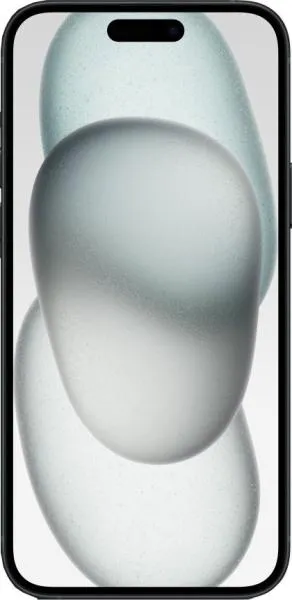
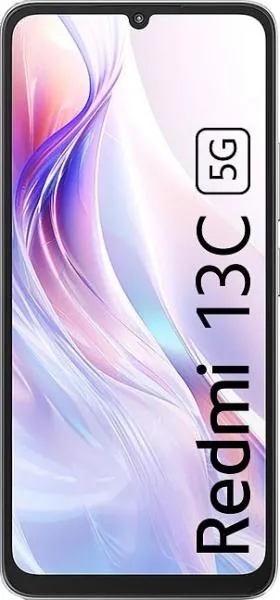
| Feature | Apple iPhone 15 Plus | Xiaomi Redmi 13C 5G | Practical Impact |
|---|---|---|---|
| Design | |||
| Dimensions | 160.9 x 77.8 x 7.8 mm | 168 x 78 x 8.1 mm | iPhone 15 Plus is slightly smaller and thinner. |
| Weight | 201g | 192g | Negligible weight difference in practical use. |
| Build Materials | Not specified | Not specified | Build quality and durability cannot be compared without further information. |
| Display | |||
| Size | 6.7" | 6.74" | Virtually identical screen sizes. |
| Type | Super Retina XDR OLED | IPS LCD | iPhone's OLED offers significantly better contrast, deeper blacks, and wider viewing angles. Redmi's 90Hz refresh rate provides smoother scrolling and animations. |
| Resolution | 1290 x 2796 | 720 x 1600 | iPhone has a much sharper and more detailed display. Redmi's resolution is noticeably lower. |
| Refresh Rate | Not specified, likely 60Hz | 90Hz | Redmi's higher refresh rate results in smoother scrolling and animations. |
| Peak Brightness | 2000 nits | Not specified, 600 nits (HBM) | iPhone's display will be significantly brighter and more visible in direct sunlight. |
| Performance | |||
| Chipset | Apple A16 Bionic (4 nm) | Mediatek Dimensity 6100+ (6 nm) | A16 is a significantly more powerful chip, resulting in faster performance, smoother multitasking, and better gaming capabilities. |
| CPU | Hexa-core (2x3.46 GHz + 4x2.02 GHz) | Octa-core (2x2.2 GHz + 6x2.0 GHz) | iPhone's CPU architecture and higher clock speeds will deliver superior performance. |
| GPU | Apple GPU (5-core) | Mali-G57 MC2 | iPhone's GPU will offer a much better gaming and graphics-intensive task experience. |
| RAM | 6GB | 6GB | Same RAM capacity, but performance will differ significantly due to chipset and software optimization. |
| Storage | 256GB/512GB | 128GB | iPhone offers more storage options. |
| Camera | |||
| Rear Camera | Not specified | Not specified | Camera quality cannot be compared without specific sensor details and aperture information. |
| Video | Up to 4K@60fps, 1080p@240fps | 1080p@30fps | iPhone offers significantly higher video resolution and frame rate options for smoother and more detailed videos. |
| Battery | |||
| Capacity | 4383 mAh | 5000 mAh | Redmi has a larger battery capacity, but real-world battery life depends on optimization and usage patterns. |
2. Key Differences Analysis
iPhone 15 Plus Advantages:
- Significantly superior performance: The A16 Bionic chip offers a substantial performance advantage for demanding tasks and gaming.
- Much better display: The OLED screen provides superior image quality with vibrant colors, deeper blacks, and higher brightness.
- More advanced video recording capabilities: Offers higher resolution and frame rate options.
- Potentially better build quality: Although materials aren't specified, iPhones generally have a premium build.
Redmi 13C 5G Advantages:
- Larger battery capacity: Potentially longer battery life, although real-world usage will vary.
- Higher refresh rate display: Smoother scrolling and animations.
- Lower price: Likely more affordable given the specifications.
3. User Profiles & Recommendations
iPhone 15 Plus: Users who prioritize performance, display quality, premium design, and a robust app ecosystem. Ideal for demanding tasks, gaming, content creation, and users seeking a long-term device.
Redmi 13C 5G: Budget-conscious users who prioritize battery life and smooth scrolling. Suitable for everyday tasks, social media, web browsing, and light gaming.
4. Decision Framework
Key Questions:
- What is your budget?
- What are your primary smartphone usage patterns (gaming, photography, social media, etc.)?
- How important are performance, display quality, and long-term software support?
My Choice: Apple iPhone 15 Plus
While the Redmi 13C 5G offers a larger battery and higher refresh rate display at a lower price point, the iPhone 15 Plus's significant advantages in performance, display quality, and overall user experience make it the better choice for me. The A16 Bionic chip's superior processing power ensures smooth performance for years to come, and the OLED display's vibrant colors and sharpness are crucial for media consumption and gaming. I prioritize long-term value and a premium experience, making the iPhone 15 Plus the clear winner despite the higher price. The smoother scrolling offered by the Redmi would be nice, but the lower resolution would be a significant downgrade for me.
