1. Specifications Comparison
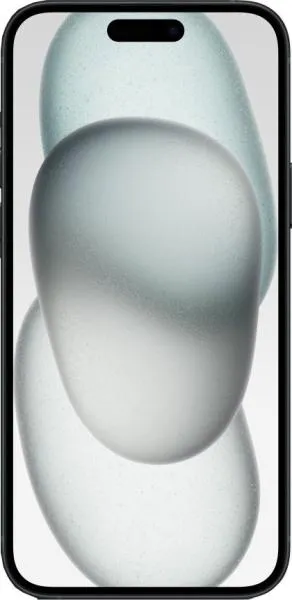
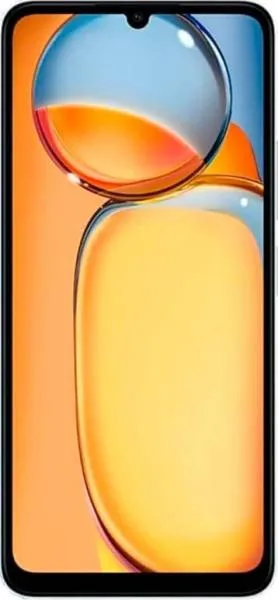
| Feature | Apple iPhone 15 Plus | Xiaomi Redmi 13C | Practical Impact |
|---|---|---|---|
| Design | |||
| Dimensions | 160.9 x 77.8 x 7.8 mm | 168 x 78 x 8.1 mm | iPhone 15 Plus is slightly smaller and thinner. |
| Weight | 201g | 192g | Redmi 13C is slightly lighter. Negligible difference in daily use. |
| Build Materials | Unspecified | Unspecified | Build quality and durability are unknown without further information. |
| Display | |||
| Display Type | Super Retina XDR OLED | IPS LCD | iPhone's OLED offers significantly better contrast, deeper blacks, and wider viewing angles. |
| Size | 6.7" | 6.74" | Negligible size difference. |
| Resolution | 1290 x 2796 | 720 x 1600 | iPhone has a much sharper display (460 ppi vs 260 ppi), resulting in crisper text and images. |
| Refresh Rate | Unspecified (Likely 60Hz) | 90Hz | Redmi 13C's 90Hz display provides smoother scrolling and animations. |
| Peak Brightness | 2000 nits | 600 nits (HBM) | iPhone's display is drastically brighter, ensuring better visibility in sunlight. |
| Performance | |||
| Chipset | Apple A16 Bionic (4 nm) | Mediatek Helio G85 (12 nm) | A16 Bionic is significantly more powerful, resulting in faster app loading, smoother multitasking, and better gaming performance. |
| CPU | Hexa-core (2x3.46 GHz + 4x2.02 GHz) | Octa-core (2x2.0 GHz + 6x1.8 GHz) | iPhone's CPU architecture and higher clock speeds provide a substantial performance advantage. |
| GPU | Apple GPU (5-core) | Mali-G52 MC2 | iPhone's GPU offers superior graphics performance for demanding games and applications. |
| RAM | 6GB | 6GB/8GB | While both offer ample RAM for everyday tasks, the Redmi offers an 8GB variant for potentially better multitasking. |
| Storage | 256GB/512GB | 128GB/256GB | Both offer sufficient storage options. |
| Camera | |||
| Rear Camera | Unspecified | Unspecified | Image quality comparison is impossible without sensor details and aperture information. |
| Video | Up to 4K@60fps, 1080p@240fps | 1080p@30fps | iPhone offers significantly higher resolution and frame rate video recording capabilities. |
| Battery | |||
| Capacity | 4383 mAh | 5000 mAh | Redmi 13C has a larger battery capacity, potentially leading to longer battery life. However, real-world usage depends on optimization. |
2. Key Differences Analysis
iPhone 15 Plus Advantages:
- Significantly more powerful: The A16 Bionic chip delivers a substantial performance advantage for demanding tasks and gaming.
- Superior display: The OLED display offers vastly better color accuracy, contrast, and brightness.
- Premium features: Expected higher quality build materials, advanced camera features (though specifics are missing), and longer software support.
Redmi 13C Advantages:
- Larger battery: Potentially longer battery life, though real-world performance depends on optimization.
- Higher refresh rate: Smoother scrolling and animations due to the 90Hz display.
- Lower price: Significantly more affordable.
Trade-offs:
- The Redmi 13C sacrifices performance and display quality for a lower price and larger battery.
- The iPhone 15 Plus likely comes at a premium price but offers a significantly better user experience in terms of performance, display, and overall quality.
3. User Profiles & Recommendations
iPhone 15 Plus: Users who prioritize performance, a premium display, a polished user experience, and long-term software updates. Ideal for demanding tasks, gaming, content creation, and users who value a high-quality device.
Redmi 13C: Budget-conscious users who prioritize battery life and a large screen for media consumption. Suitable for everyday tasks, social media, web browsing, and users who are looking for an affordable device.
4. Decision Framework
Key Questions:
- What is your budget? The iPhone 15 Plus is significantly more expensive.
- What are your primary use cases? Demanding tasks and gaming favor the iPhone, while basic usage and media consumption might suffice with the Redmi.
- How important are display quality and performance? The iPhone excels in these areas.
Scenario-Based Recommendations:
- Student on a budget: Redmi 13C
- Professional who needs a powerful device: iPhone 15 Plus
- Casual user who prioritizes battery life: Redmi 13C
- Mobile gamer: iPhone 15 Plus
My Choice: Apple iPhone 15 Plus
While lacking specific camera details, the iPhone 15 Plus is the clear winner for me. The A16 Bionic's significant performance advantage, coupled with the superior OLED display, creates a vastly improved user experience. I prioritize a smooth, responsive OS, high-quality visuals for media consumption, and the capability to handle demanding tasks without lag. While the Redmi 13C offers a larger battery and higher refresh rate, these advantages don't outweigh the iPhone's superior overall performance and display quality. The long-term software support and anticipated build quality of the iPhone also contribute to its value proposition. The price difference is significant, but the enhanced user experience justifies the premium for my needs.
