1. Specifications Comparison
| Feature | Apple iPhone 15 Plus | Xiaomi Redmi 13 | Practical Impact |
|---|---|---|---|
| Design | |||
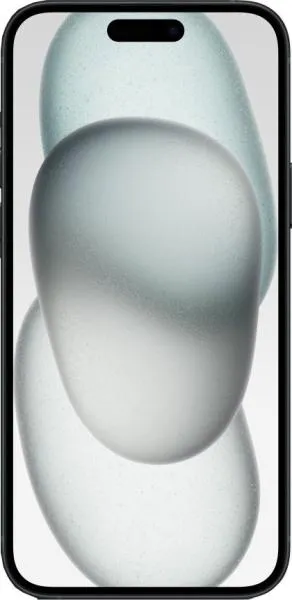
| Dimensions | 160.9 x 77.8 x 7.8 mm | 168.6 x 76.3 x 8.3 mm | iPhone 15 Plus is slightly shorter, narrower, and thinner. Redmi 13 is slightly wider and thicker. |
| Weight | 201g | 205g | Negligible weight difference in real-world usage. |
| Build | Glass front/back, Aluminum frame | (Missing information) | Material differences impact durability and premium feel. Information needed for Redmi 13. |
| Display | |||
| Display Type | Super Retina XDR OLED | IPS LCD | iPhone's OLED offers significantly better contrast, deeper blacks, and wider viewing angles. |
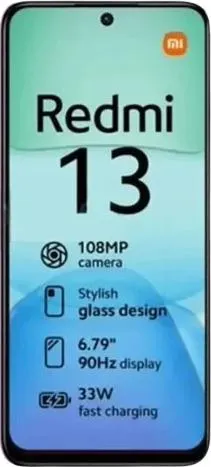
| Size | 6.7" | 6.79" | Negligible size difference. |
| Resolution | 1290 x 2796 | 1080 x 2460 | iPhone has a much sharper display with higher pixel density (460 ppi vs 396 ppi), resulting in crisper text and images. |
| Refresh Rate | Not specified | 90Hz | Higher refresh rate on Redmi 13 results in smoother scrolling and animations. Missing iPhone refresh rate information hinders comparison. |
| Peak Brightness | 2000 nits | 550 nits (typical), peak brightness not specified | iPhone's significantly higher peak brightness ensures better visibility in direct sunlight. Missing peak brightness for Redmi limits comparison. |
| Performance | |||
| Chipset | Apple A16 Bionic (4 nm) | Mediatek Helio G91 Ultra (12 nm) | A16 is a significantly more powerful chip, leading to faster performance, smoother multitasking, and better gaming capabilities. |
| CPU | Hexa-core (2x3.46 GHz + 4x2.02 GHz) | Octa-core (2x2.0 GHz + 6x1.8 GHz) | A16's architecture and higher clock speeds provide a significant performance advantage. |
| GPU | Apple GPU (5-core) | Mali-G52 MC2 | Apple's GPU generally offers superior graphics performance for demanding games and applications. |
| RAM | 6GB | 8GB | While Redmi has more RAM, the A16's superior memory management likely offsets this in real-world usage. |
| Storage | 256GB/512GB | 256GB | Similar storage options in the compared variants. |
| Battery | |||
| Capacity | 4383 mAh | 5030 mAh | Redmi 13 has a larger battery capacity, potentially leading to longer battery life. Real-world usage varies depending on optimization. |
| Camera | |||
| Video Capabilities | Up to 4K@60fps (HDR), 1080p@240fps (HDR) | 1080p@30fps | iPhone offers significantly better video recording capabilities with higher resolution, frame rates, and HDR support. |
| Specific sensor/lens details | Missing | Missing | Detailed camera specs are crucial for a thorough comparison. |
2. Key Differences Analysis
iPhone 15 Plus Advantages:
- Significantly superior performance: The A16 Bionic chip provides a substantial performance advantage for demanding tasks and gaming.
- Higher quality display: The OLED display offers superior contrast, color accuracy, and brightness.
- Better video recording: More advanced video features and capabilities.
- Premium build quality: Expected based on historical iPhone models, but Redmi 13 build material is not specified for comparison.
Xiaomi Redmi 13 Advantages:
- Larger battery capacity: Potentially longer battery life.
- Higher refresh rate display: Smoother scrolling and animations (though display quality is lower).
- Lower price: Significantly more affordable.
3. User Profiles & Recommendations
iPhone 15 Plus: Users who prioritize performance, premium design, a high-quality display, and a robust ecosystem. Ideal for demanding tasks, gaming, and content creation.
Xiaomi Redmi 13: Budget-conscious users who prioritize battery life and a smooth display. Suitable for everyday tasks, social media, and light gaming.
4. Decision Framework
Key Questions:
- What is your budget? The Redmi 13 is significantly more affordable.
- What are your performance needs? The iPhone 15 Plus offers much better performance.
- What are your priorities in a display? iPhone for quality, Redmi for smoothness.
Scenario-Based Recommendations:
- Heavy user, gamer, content creator: iPhone 15 Plus
- Budget-conscious, light user: Xiaomi Redmi 13
My Choice: Apple iPhone 15 Plus
While lacking some specific details on the Redmi 13 limits a fully comprehensive comparison, the iPhone 15 Plus is my choice. The superior performance of the A16 Bionic, the significantly better display quality, and the expected higher build quality are crucial factors for me. I prioritize a smooth and responsive user experience, particularly for demanding tasks and gaming, which the iPhone 15 Plus clearly delivers. While the Redmi 13 offers a larger battery and a lower price, the trade-offs in performance and display quality are too significant for my personal preferences. I am willing to invest more for a device that will provide a better long-term experience.
